
Pests and Diseases
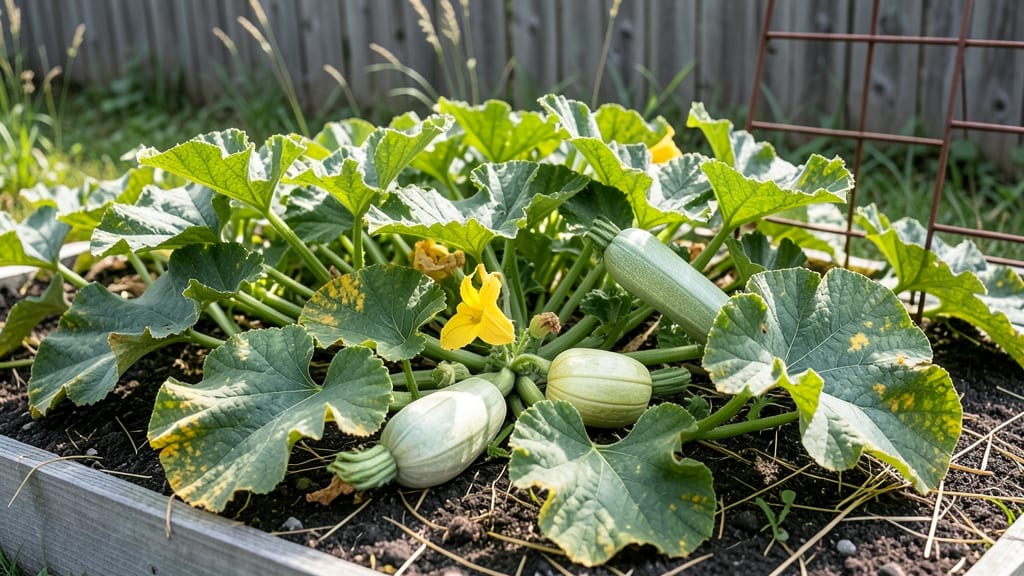
Yellow mosaic disease turns your squash leaves into yellowed, crinkled messes faster than you can say "harvest season." 🌱 I've seen this stubborn virus ruin entire gardens—and the worst part? There's no chemical cure. But early action can save your plants (and your sanity).
The disease spreads through aphids and infected seeds, leaving behind those telltale yellow patches and stunted growth. Most gardeners I know (myself included) catch it too late, but spotting it early means you can still pull infected plants and protect the rest of your crop.
What you'll learn here is how to identify the disease before it spreads, use organic controls to slow it down, and prevent future outbreaks. The key is acting fast—once those yellow spots appear, your best bet is removal and prevention.
This works for all squash varieties, from zucchini to pumpkins, and keeps your garden healthy even when nature throws curveballs. Let's get those plants back on track!
Root Causes Of Viral Spread
Yellow mosaic disease in squash is primarily caused by the Zucchini yellow mosaic virus (ZYMV) and Squash mosaic virus (SqMV), both of which belong to the Potyvirus and Comovirus families, respectively. These viruses don’t spread on their own—they rely on external vectors and environmental conditions to infect your plants.
Understanding these triggers is key to preventing outbreaks before they devastate your garden. Let’s break down the why behind this stubborn disease.
Squash plants are naturally resilient, but their defenses weaken under stress. When plants face nutrient deficiencies, poor soil health, or extreme weather, they become prime targets for viral infections. Here’s how it happens:
- Nitrogen Deficiency: Yellowing leaves (chlorosis) can mimic viral symptoms, but low nitrogen also weakens cell walls, making plants more vulnerable to viral entry through wounds or feeding insects.
- Overcrowding: Poor airflow and humidity buildup create the perfect environment for viruses to thrive. Crowded plants compete for resources, stunting growth and reducing their ability to fend off pathogens.
- Improper Watering: Alternating between drought stress and waterlogging disrupts root function, leaving plants unable to transport nutrients efficiently. This stress response signals to viruses that the plant is “easy prey.”
Actionable Fix: Conduct a soil test to check pH and nutrient levels. Amend soil with compost or balanced fertilizer (like 10-10-10) to boost plant vigor. Space plants 3–4 feet apart for optimal airflow.
Viruses like ZYMV and SqMV don’t fly or swim—they hitch rides on insects. The most notorious culprits are:
- Aphids: These tiny, sap-sucking pests (green, black, or white) inject viral particles into plants while feeding. A single aphid can transmit the virus within seconds. 💡 Pro Tip: Check the undersides of leaves—aphids love hiding there!
- Whiteflies: Less common but equally dangerous, whiteflies excrete honeydew (a sticky residue) that can attract sooty mold, further stressing plants and creating entry points for viruses.
- Beetles and Leafhoppers: Some species, like cucumber beetles, can mechanically transmit viruses when they move from infected to healthy plants while feeding.
Actionable Fix:
- Install yellow sticky traps to monitor and reduce aphid populations.
- Spray plants with neem oil or insecticidal soap every 5–7 days during outbreaks.
- Use row covers early in the season to block insects entirely.
Viruses don’t thrive in all conditions—they love warmth and moisture. Here’s how climate plays a role:
| Factor | How It Helps Viruses Spread | Ideal Prevention |
|---|---|---|
| High Temperatures (75–90°F) | Speeds up viral replication and weakens plant cell membranes, making it easier for viruses to invade. | Provide afternoon shade with shade cloth (30–50%) during peak heat. |
| High Humidity (>70%) | Encourages aphid and whitefly populations, which then spread viruses faster. | Improve drainage and avoid overhead watering to reduce humidity around foliage. |
| Rain and Wind | Wind can disperse viral particles from infected plants to healthy ones, while rain spreads insect vectors (like aphids) across the garden. | Space plants strategically to break up wind paths and use mulch to reduce soil splash. |
Actionable Fix: Monitor weather forecasts and plan for early morning or late evening watering to minimize humidity spikes. Choose disease-resistant squash varieties (like ‘Defender’ or ‘Butternut’) if your climate is consistently hot and humid.
Viruses can survive on organic debris, gardening tools, and even human hands for short periods. Here’s how accidental transmission happens:
- Pruning Shears: If you trim an infected plant and then use the same shears on a healthy one, the virus can enter through fresh cuts.
- Transplanting Infected Seedlings: Buying or saving seeds from diseased plants ensures the virus will return next season.
- Shared Equipment: Gloves, trowels, or even boots can carry viral particles from one plant to another.
Actionable Fix:
- Disinfect tools between uses with 70% isopropyl alcohol or a bleach solution (1 part bleach to 9 parts water).
- Remove and destroy (do not compost) infected plants immediately. Burn or bag them and dispose of them in the trash.
- Wear gloves when handling plants and wash hands thoroughly afterward.
By addressing these root causes—plant stress, insect vectors, climate conditions, and contamination—you can drastically reduce the risk of yellow mosaic disease taking over your squash patch. Prevention is always easier (and cheaper!) than cure. 🌱
Beat Back Yellow Squash Blight
Yellow mosaic disease in squash can feel like a losing battle, but with the right strategies, you can reclaim your garden. The key is acting fast and targeting the root cause—whether it’s viral spread, pest activity, or poor plant health.
Below, we’ve mapped out practical fixes for each common trigger, plus prevention tips to keep your squash thriving.
If yellow mosaic disease is caused by a virus (like Zucchini yellow mosaic virus or Cucumber mosaic virus), there’s no cure—but you can contain and prevent further damage.
- 🔥 Remove Infected Plants Immediately
- Snip off diseased leaves or dig up entire plants to prevent the virus from spreading to healthy ones.
- Do NOT compost infected plant material—burn or trash it instead.
- 🛡️ Quarantine New Plants
- Buy seeds or seedlings from reputable nurseries that test for viral diseases.
- If growing from seeds, sterilize tools between plants to avoid cross-contamination.
- 🌱 Rotate Crops & Avoid Overcrowding
- Plant squash in a different spot each year (viruses linger in soil).
- Space plants 3–4 feet apart for better airflow and less stress.
Aphids, whiteflies, and beetles often spread viruses—so controlling them is critical.
- 🍳 Spray with Soap or Neem Oil
- Mix 1 tbsp mild liquid soap + 1 tsp neem oil in 1 quart of water, then spray early in the morning (avoid harming bees).
- Repeat every 3–5 days until pests are gone.
- 👨🍳 Introduce Beneficial Insects
- Ladybugs, lacewings, and parasitic wasps eat aphids naturally. Buy them online or attract them with dill or marigolds nearby.
- 🥘 Use Row Covers for Young Plants
- Lightweight floating row covers block pests while allowing sunlight and water through.
Stressed squash plants are more susceptible to diseases. Strengthen them with these steps:
- 💡 Water at the Base, Not the Leaves
- Wet foliage traps viruses and fungi. Use a drip irrigation system or water early in the day.
- 🎯 Feed with Balanced Fertilizer
- Overuse of nitrogen-heavy fertilizers weakens plants. Switch to a balanced 10-10-10 or compost tea for resilience.
- ✨ Prune for Airflow
- Remove yellowing or crowded leaves to improve circulation and reduce humidity (a virus’s best friend).
Once you’ve treated an outbreak, stop future infections with these habits:
- 🔥 Start with Clean Seeds
- Buy certified disease-free seeds or soak your own in a 10% bleach solution (90 sec) before planting.
- 🌱 Practice Crop Rotation
- Avoid planting cucurbits (squash, cucumbers, melons) in the same spot for 3+ years.
- 📊 Test Soil & pH
- Squash thrives in slightly acidic soil (6.0–6.8 pH). Use a soil test kit to adjust with lime (raise pH) or sulfur (lower pH).
- 🚫 Avoid Sharing Tools
- Sterilize pruners, gloves, and containers with rubbing alcohol between plants.
If yellow mosaic keeps returning, switch to disease-resistant squash varieties like:
- ‘Defender’ zucchini (resistant to mosaic virus)
- ‘Butternut Waltham’ (tolerates stress better)
- ‘Early Prolific Straightneck’ (hardier squash)
By combining removal, pest control, plant care, and prevention, you can minimize losses and keep your squash patch healthy. Stay vigilant—early action is your best weapon! 🚀
Frequently asked questions
What are the first signs of yellow mosaic disease in squash?
Look for bright yellow patches on leaves that appear crinkled or distorted—these are classic early symptoms. You may also notice stunted growth or mosaic-like patterns where yellow and green areas mix. Check the undersides of leaves for tiny aphids, as they spread the virus.
Can yellow mosaic disease spread to other vegetables in my garden?
Yes, this virus can infect other cucurbit plants like cucumbers, melons, and pumpkins since they share similar vulnerabilities. It won’t spread to non-cucurbit vegetables, but always quarantine infected plants immediately to prevent cross-contamination through shared tools or insects.
Will removing infected plants stop the disease from spreading?
Removing infected plants is critical—it cuts off the virus source and prevents further spread via aphids or wind. However, you must also control insect vectors (like aphids) and sterilize tools to fully break the cycle. Never compost infected plant material, as viruses can survive in soil.
Are there chemical treatments for yellow mosaic disease?
No, there’s no chemical cure for viral infections like yellow mosaic disease. The best approach is prevention: use neem oil or insecticidal soap to control aphids, rotate crops annually, and choose disease-resistant squash varieties. Focus on strengthening plant health to reduce susceptibility.
How can I tell if my squash plants have a nutrient deficiency instead of yellow mosaic?
Nutrient deficiencies (like nitrogen deficiency) cause uniform yellowing starting with older leaves, while yellow mosaic shows irregular yellow patches and distorted leaf shapes. A soil test can confirm deficiencies—if the soil lacks nitrogen, add compost or a balanced fertilizer (like 10-10-10).