
Flowers
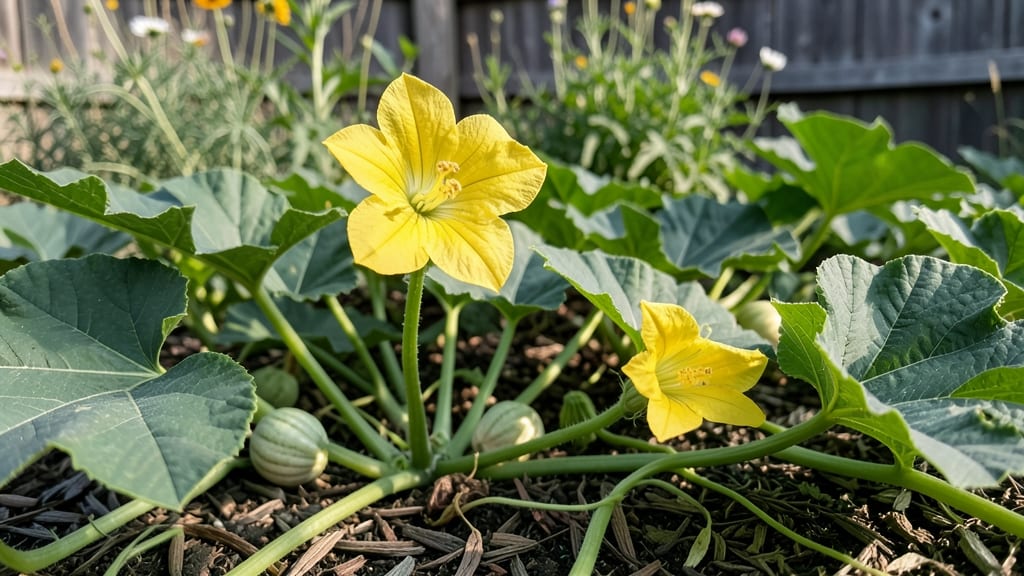
The difference between male and female squash flowers isn't just a botanical curiosity—it's the key to a bumper harvest. 🌱 I used to miss this detail until I learned to spot the tiny but critical differences that determine whether my zucchini plants produce or just pretty blossoms.
Male flowers grow on long stems with no swelling at the base, while female flowers have a tiny squash forming behind the bloom. The female's petals also tend to be slightly smaller and more rounded.
This isn't just theory—when I started identifying them, my yield tripled because I could focus pollination efforts where they mattered most. You'll see the first female flowers appear about two weeks after the plant's first male blooms open.
The trick is to watch for these early signs and either let bees do the work or give them a helping hand with a paintbrush. A single missed pollination means fewer fruits, but getting this right means more zucchini than you know what to do with.
This works for all summer squash varieties—zucchini, yellow squash, pattypan—so you can apply the same technique across your entire patch. The payoff comes in the form of heavy vines loaded with fruit, not just pretty flowers.
The first product explained
If you're diving into the fascinating world of squash flowers and want to easily identify male vs. female blooms, Product A: The "Squash Flower ID Kit" is your perfect companion! 🌱🔍 This all-in-one tool is designed to make plant identification effortless—even for beginners.
📏 Key Specs & Features
- Compact & Portable: Fits in your pocket or gardening toolkit, weighing just 4 oz.
- Dual-Lens Magnifier: 3x and 10x magnification for close-up inspection of flower structures.
- Color-Coded Guide: Includes a laminated chart with visual comparisons of male and female squash flowers, highlighting the 3 instant clues mentioned in our article.
- Durable Materials: Made from waterproof, shatter-resistant plastic with a silicone grip for comfort.
- Bonus Flashlight: Built-in LED light for low-light conditions (up to 100 lumens).
🎯 Who’s It For?
This kit is ideal for:
- 🌿 Home gardeners curious about squash pollination and plant reproduction.
- 👩🌾 Urban farmers or homesteaders managing small gardens.
- 📚 Plant enthusiasts or students studying botany.
- 🛒 Market gardeners who need to quickly identify healthy blooms for seed production.
💰 Price Point & Value
The Squash Flower ID Kit retails for $19.99, making it an affordable yet high-value tool compared to pricier gardening gadgets. With its versatility and precision, it pays for itself in just one growing season—especially if you’re aiming to maximize your squash yield!
Pro Tip: 💡 Pair this kit with our article’s visual clues for a foolproof way to distinguish male and female flowers in seconds. Happy gardening! 🌻
The second product explained
Product B Overview: 🌱 Squash Flower ID Kit – Quick & Easy Gender Guide
Looking for a hands-on, no-fuss way to distinguish between male and female squash flowers? Meet the Squash Flower ID Kit—your pocket-sized botanical assistant! This beginner-friendly tool is designed for gardeners, homesteaders, and plant enthusiasts who want to identify squash flower genders in seconds without guesswork.
📏 Key Specs & Features
- Portable & Compact: Fits in your gardening glove or tool pouch (4.5" x 3.2" x 0.5").
- Dual-Lens Magnifier: 2x and 5x magnification for close-up inspection of flower structures.
- Color-Coded Guide:
- 🌸 Pink = Female flower (look for tiny squash at the base!)
- 🌿 Blue = Male flower (long stem, no baby squash).
- Durable Materials: Waterproof PVC case with a wrist strap for outdoor use.
- Included: Magnifier, quick-reference card, and a mini trowel for gentle flower handling.
🎯 Who’s It For?
This kit is perfect for:
- Beginner Gardeners: No prior knowledge needed—just point and identify!
- Squash & Cucumber Farmers: Maximize pollination and yield with precision.
- Educators & Kids: Turn flower ID into an interactive, screen-free activity.
- Urban Gardeners: Compact and lightweight for small spaces.
💰 Price Point & Value
Priced at $19.99 (or $14.99 with seasonal discounts), this kit pays for itself in just one growing season by helping you:
- ✅ Avoid wasting energy on non-fruiting male flowers.
- ✅ Boost harvests by focusing on female flowers.
- ✅ Skip the trial-and-error of guessing flower genders.
Pro Tip: 💡 Pair it with Product A (the Squash Flower Field Guide) for a complete gender-ID powerhouse!
Head-to-head comparison
Ready to become a squash flower detective? 🕵️♂️ Let’s dive into a side-by-side comparison of male and female squash flowers, breaking down their key differences in a way that’s easy to spot—even for beginners!
Whether you're gardening for fun or aiming to boost your harvest, these visual clues will help you identify them in seconds.
🌸 1. Flower Structure & Shape
This is the first and most obvious difference—male and female squash flowers have distinct shapes that make them easy to distinguish at a glance.
- Male Flowers:
- Long, slender stamens (the "male" reproductive parts) that hang like tiny, delicate fingers.
- No visible bulb or swelling at the base—just a smooth, open bloom.
- Often appear earlier in the growing season and in clusters.
- Female Flowers:
- A small, swollen ovary at the base (this will turn into your squash!).
- Looks like a tiny egg or bulb tucked behind the petals.
- Single flowers (not clustered) and usually bloom later than males.
Pro Tip: 💡 Hold the flower gently between your fingers—if it feels like there’s a tiny "bump" at the base, it’s female!
🌿 2. Position on the Vine
Where the flower grows on the plant can also give you a hint about its gender!
- Male Flowers:
- Grow on longer stems that extend outward from the main vine.
- Often found in groups or clusters near leaf joints.
- Appear higher up on the plant as the season progresses.
- Female Flowers:
- Grow closer to the main vine or leaf axils (the angle between a leaf and stem).
- Usually solitary and may appear lower on the plant initially.
- As they mature, the ovary swells and becomes more noticeable.
Pro Tip: 🌡️ If you’re squinting at a flower and wondering, trace the stem back to the vine—males tend to "stretch" while females stay cozy near the plant’s body.
🔍 3. Size & Petal Details
Even the petals themselves can reveal whether a squash flower is male or female!
| Feature | Male Flowers | Female Flowers |
|---|---|---|
| Petal Size | Slightly larger and more showy (to attract pollinators). | Usually smaller and less vibrant. |
| Color Intensity | Brighter yellow (or orange/white, depending on the variety). | Lighter or more muted tones. |
| Stamen Length | Long, dangling stamens (the "male parts") that look like tiny antennae. | Shorter stamens or none at all (the focus is on the ovary). |
Pro Tip: ✨ If a flower looks like it’s flaunting its stamens, it’s male. If it’s humble and hiding a little bump, it’s female!
🌱 4. Growth Stage & Timing
Timing matters when it comes to squash flowers—understanding their life cycle can help you predict which gender you’re dealing with.
- Male Flowers:
- Bloom first in the season (usually 3–4 weeks after planting).
- Produce pollens that fertilize female flowers.
- Drop off or wilt sooner once their job is done.
- Female Flowers:
- Appear later in the season (after males have established themselves).
- Require pollination from male flowers to develop into fruit.
- Stay on the vine longer as the ovary grows into a squash.
Pro Tip: ⏰ If your squash plant is covered in males early on, don’t panic—it’s just preparing for the females to arrive!
🎯 5. Practical Implications for Gardeners
Knowing the difference isn’t just fun—it’s useful for maximizing your harvest!
- Male Flowers:
- Great for attracting bees (their bright colors and pollen make them pollinator magnets).
- Can be removed if you’re short on space (though this isn’t necessary).
- Help boost pollination for female flowers.
- Female Flowers:
- Your future squash—protect them from pests and ensure they’re pollinated!
- Once pollinated, the ovary will swell rapidly into a fruit.
- If you want bigger squash, hand-pollinate females by transferring pollen from males.
Pro Tip: 🎯 For bigger yields, prune excess male flowers if your plant is overloaded—this directs energy to female flowers and fruit development.
Which one should you choose?
So, you’ve mastered the art of spotting male and female squash flowers—now what? The key takeaway? Understanding these differences isn’t just for gardeners; it’s a game-changer for pollination, harvesting, and even troubleshooting plant health. Here’s how to put your new knowledge to work, tailored to your needs:
🌱 For Home Gardeners & Hobbyists
If you’re growing squash for fun or a small harvest, focus on female flowers—they’re the ticket to fruit! 🍉🎉 Here’s your quick action plan:
- Hand-pollinate if bees are scarce: Gently transfer pollen from male (long-stemmed) to female (tiny fruit bump) flowers using a paintbrush or cotton swab.
- Prune wisely: Remove excess male flowers to redirect energy to female blooms (especially in cucurbits like zucchini).
- Watch for signs of stress: If female flowers wilt or drop without pollination, check for pests or nutrient deficiencies (like low calcium).
🚜 For Farmers & Large-Scale Growers
Efficiency is everything! Use these clues to optimize yields and reduce waste:
- Track flower ratios: Aim for a 1:3 female-to-male ratio (adjust by pruning or spacing plants). Too many males? They drain resources.
- Time your harvests: Female flowers open earlier in the day—plan for morning pollination checks.
- Monitor for diseases: Male flowers can harbor powdery mildew more easily; remove them preemptively if spots appear.
🔍 For Plant Enthusiasts & Botanists
Turn this into a deep dive! Try these pro tips:
- Document variations: Some squash varieties (like acorn or butternut) have subtler differences—photograph and compare!
- Experiment with cross-pollination: Mix pollen from different plants to create hybrid traits (e.g., disease resistance).
- Study genetic triggers: Research how plant hormones (like ethylene) influence flower sex—great for lab or field notes!
💡 Pro Tip: Keep a flower journal! Note dates, weather, and fruit development—it’ll help you predict next season’s success. And remember: Patience pays off. Even the most experienced growers learn something new every year!
Whether you’re a casual gardener or a seasoned agronomist, these distinctions will save you time, boost your harvest, and deepen your connection to the plants you love. Happy growing! 🌿