
Plants
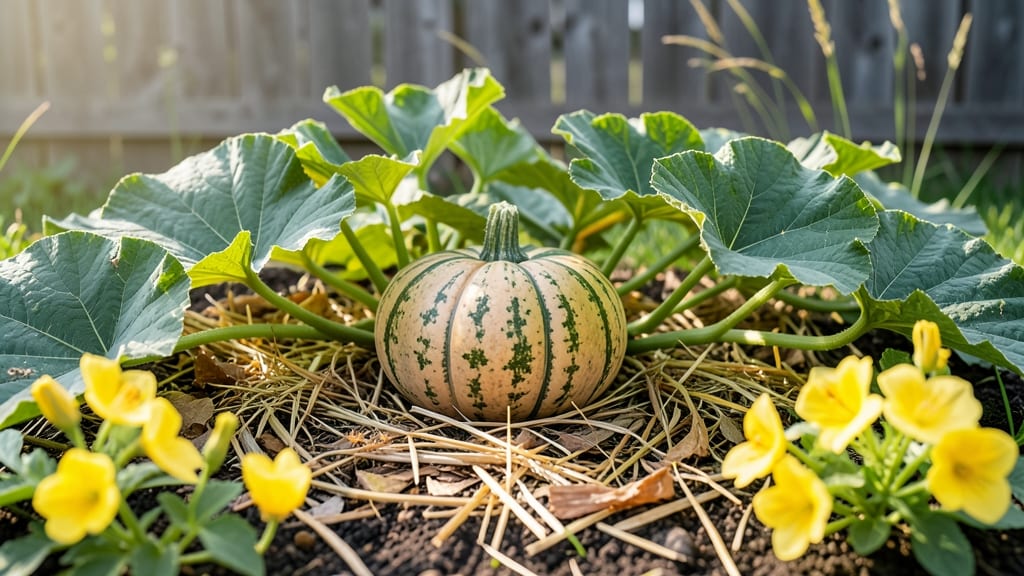
If you're ever confused about whether you're holding a pumpkin or a pumpkin-like squash, focus on three key details: the stem, the rind, and the seeds. 🌱 Most pumpkins have green stems and ribbed skins, while squash varieties often feature white stems and smoother textures.
For example, delicata squash has a striped rind that's easier to peel than a pumpkin's tough exterior. The seed cavity also differs—pumpkins have deep, flat cavities, while squash like butternut have shallower, more rounded ones.
These squash varieties aren't just visually similar—they're also culinary powerhouses.
Butternut squash, for instance, has a sweet, nutty flavor perfect for soups, while acorn squash offers a denser texture ideal for stuffing. 🍽️ If you're using them for decoration, carnival squash with its vibrant stripes makes a stunning alternative to traditional pumpkins.
💡 In This Article
- Visual and Structural Differences Between Pumpkins and Squash
- Best Pumpkin-Like Squash Varieties for Cooking and Decorating
Visual and structural differences between pumpkins and squash
The most reliable way to tell squash from pumpkins is their stems: pumpkins almost always have green, fibrous stems that feel woody when touched, while squash stems are typically white or tan and smoother, almost like a vine.
This difference stems from their botanical classifications—pumpkins belong to the Cucurbita pepo species, while most squash are Cucurbita moschata or Cucurbita maxima, which have softer, more flexible stems designed to support trailing vines rather than bushy growth.
Rind texture is another dead giveaway. Pumpkins develop deep, pronounced ribs as they mature, creating a bumpy, textured surface that's harder to peel. Squash like butternut and delicata, however, maintain smooth or lightly ribbed skins that yield easily with a knife or peeler.
For example, a delicata squash has thin, striped skin that's only 1/8-inch thick—about half as thick as a pumpkin's rind—making it perfect for roasting whole without peeling. 🌟
The seed cavity reveals even more secrets. Pumpkins have flat, wide cavities that can hold up to 500 seeds in a single fruit, while squash like acorn or spaghetti squash feature shallower, more compact seed chambers with fewer, larger seeds.
This structural difference affects their culinary use: pumpkin seeds are often roasted in bulk, while squash seeds are typically discarded due to their bitter taste and fibrous texture.
Vine growth patterns also provide clues. Pumpkins grow on bushy, compact vines that stay close to the ground, while squash vines are long, trailing, and sprawling, sometimes reaching 10-15 feet in length.
This trait explains why squash are easier to harvest individually—they don't grow in dense clusters like pumpkins, which often form heavy, multi-fruit masses that require sturdy supports.
One exception to these rules is the carnival squash, which mimics pumpkins almost perfectly—including green stems and ribbed skin—but stays smaller (3-5 pounds vs pumpkins' 10+ pounds). Its vibrant stripes and sweeter flesh make it a favorite for both cooking and fall decor. 🎃
For a quick field test, press your thumb into the rind: pumpkins leave a deep, lasting indentation due to their thick, fibrous skin, while squash bounce back almost immediately.
This elasticity is a direct result of their higher moisture content—squash like delicata contain 90% water, compared to pumpkins' 85%**, making them juicier and more tender when cooked.