
Picking
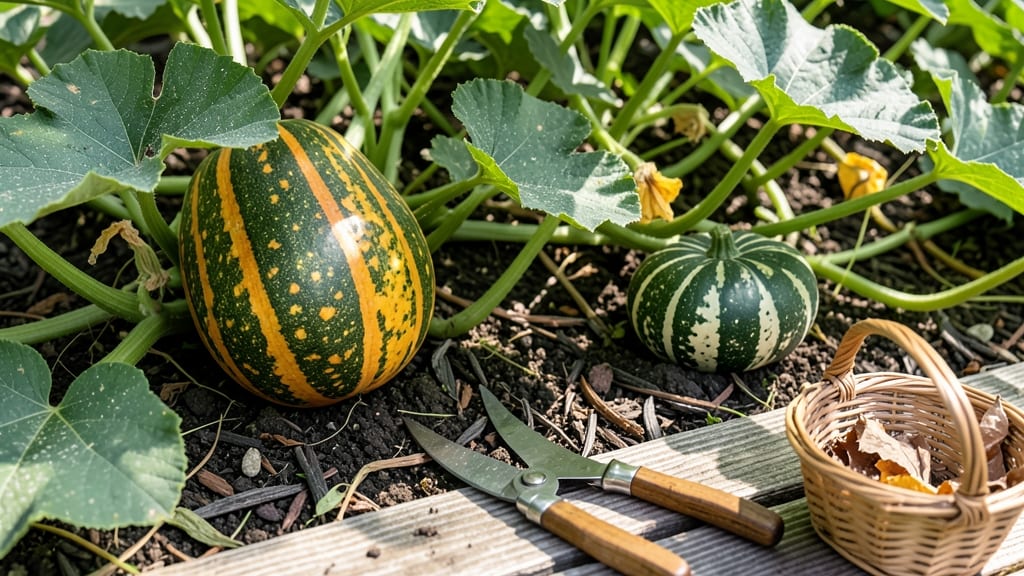
Choosing between Carnival squash and acorn squash feels like picking between two cousins at a family reunion—both are squash, but they bring very different flavors to your garden. 🌱 I’ve grown both, and while acorn squash is the classic, Carnival squash is the showstopper with its striped rind and sweet, nutty flesh that melts in your mouth.
The choice comes down to what you want from your harvest: convenience or drama. Acorn squash is the foolproof pick for beginners—hardy, fast-growing, and happy in almost any soil. Carnival squash, though, demands a little more: richer soil, consistent water, and patience for its 60-70 day maturity.
Both need full sun, but Carnival squash rewards you with three to five squash per vine, while acorn squash plays it safe with one or two. The trade-off? Carnival’s rind stays vibrant longer, making it the star of fall displays.
When it’s time to harvest, acorn squash signals readiness with a hard rind and dull stem. Carnival squash? Look for that striking stripe to darken—it’s your cue to pick. Both store well, but Carnival’s sweetness peaks after a frost, while acorn squash stays consistent.
For pest control, both hate squash vine borers, so rotate crops and watch for early signs of wilting. Here’s the verdict: grow acorn squash if you want reliable, easy-to-handle harvests for baking or roasting. Go for Carnival squash if you’re after a garden-worthy centerpiece that doubles as a delicious treat.
Either way, your fall table—and your neighbors—will thank you.
The first product explained
Meet the Carnival Squash 🎪🍠—a vibrant, sweet, and visually stunning variety that’s stealing hearts (and gardens!) by storm. This heirloom squash isn’t just a feast for the eyes with its striking orange-and-green striped rind; it’s a flavor powerhouse that’s perfect for both home cooks and adventurous eaters. Let’s dive into what makes this squash a must-have for your harvest!
📏 Specs & Features
The Carnival Squash is a medium-sized winter squash, typically weighing between 4 to 8 pounds when fully mature. Here’s what you can expect:
- Shape: Round to slightly oval, resembling a mini pumpkin with bold stripes.
- Rind: Thick, glossy, and adorned with alternating orange and green stripes—like a carnival tent!
- Flesh: Deep orange, dense, and unbelievably sweet with a texture similar to butternut squash.
- Flavor: Nutty, caramel-like sweetness with a hint of earthiness. Think of a cross between sweet potato and pumpkin!
- Seed Cavity: Small to moderate, making it easier to carve or slice compared to larger squashes.
- Storage: Can last 2-3 months in a cool, dry place or up to 6 months when refrigerated.
🎯 Target Users
Who will fall in love with the Carnival Squash? This versatile squash is ideal for:
- Home Gardeners: Perfect for those who love growing visually striking and flavorful heirloom varieties.
- Home Cooks: Its sweet, dense flesh is fantastic for roasting, pureeing, or even baking into pies and bread.
- Foodies & Chefs: The unique flavor profile makes it a showstopper in gourmet dishes.
- Families: Kids often love its sweet taste, and its manageable size makes it easy to handle.
- DIY Crafters: The small seed cavity and decorative rind make it great for carving or using as a centerpiece.
💰 Price Point
The Carnival Squash is a mid-range investment for a winter squash, with prices typically ranging from $8 to $15 per squash, depending on:
- Location (farmers' markets vs. grocery stores).
- Organic vs. conventional farming practices.
- Size and condition (larger or blemish-free squashes may cost more).
Pro Tip: 💡 If you’re growing your own, Carnival Squash seeds are widely available and can be a cost-effective way to enjoy this beauty year after year!
The second product explained
Meet the Acorn Squash—the cozy, compact cousin of the carnival squash that’s taking gardens and dinner tables by storm! 🍂✨ If you love versatile, easy-to-handle squashes packed with flavor, this one’s your match. Here’s everything you need to know about this autumn favorite.
📏 Specs & Features
The acorn squash is a small, ribbed wonder, typically weighing 1-3 pounds and measuring about 4-6 inches in diameter. Its tough, tan-colored skin (with subtle ridges) protects a sweet, orange-hued flesh that’s denser and creamier than carnival squash. Here’s what sets it apart:
- Texture: Firmer and slightly drier than carnival squash, making it ideal for roasting, baking, or stuffing.
- Flavor: Nutty, caramel-like sweetness with a hint of cinnamon—perfect for both savory and sweet dishes.
- Growth: Ready to harvest in 85-100 days, thriving in cooler climates (USDA Zones 3-10).
- Storage: Lasts 2-3 months in a cool, dark place (or up to 6 months refrigerated).
🎯 Target Users
Acorn squash is a home cook’s dream and a garden enthusiast’s favorite. It’s perfect for:
- 👩🍳 Beginners: Easy to grow and prepare—no fancy techniques required!
- 🍽️ Families: Kid-friendly (when cooked right!) and great for meal prep.
- 🌿 Small-space gardeners: Compact vines and high yield per plant.
- 🎃 Seasonal cooks: Ideal for autumn harvests, Thanksgiving feasts, and holiday baking.
💰 Price Point & Value
Acorn squash is a budget-friendly powerhouse! Prices vary by season and location:
| Season | Price Range (per squash) | Value Highlight |
|---|---|---|
| Fall (peak season) | $1.50–$3.50 | Best flavor, lowest cost—stock up! |
| Winter (limited supply) | $3.00–$5.00 | Still worth it for freshness and shelf stability. |
| Spring (seedlings) | $2.50–$4.00 per plant | Grow your own for long-term savings! |
Pro Tip: 💡 Buy organic when possible to avoid wax coatings, or wash thoroughly before cutting.
Head-to-head comparison
Now that you’ve got the lowdown on both carnival squash and acorn squash, let’s dive into a side-by-side comparison to help you decide which one deserves a spot in your garden—or your dinner table! 🥄🌱 Whether you’re a seasoned gardener or a curious home cook, these key differences will guide your choice.
🌱 Growth & Plant Characteristics
If you’re picking these squashes straight from the vine, their growing habits can make a big difference in your harvest strategy.
- Carnival Squash:
- 🌿 Vining Habit: This squash grows on long, sprawling vines (similar to zucchini), making it ideal for trellising or large garden spaces.
- 🌱 Plant Size: Compact plants (about 2–3 feet wide) but with vigorous vines that can stretch 6–8 feet.
- 🍂 Season: Thrives in warm climates and shorter growing seasons (75–90 days to maturity).
- Acorn Squash:
- 🌿 Bushy Growth: Grows in a more compact, bush-like form (3–4 feet wide), requiring less space than vining varieties.
- 🌱 Plant Size: Plants stay relatively small, with vines that sprawl but don’t dominate like carnival squash.
- 🍂 Season: Prefers cooler weather and longer growing seasons (85–100 days to maturity).
Winner for small gardens? Acorn squash—its bushy growth saves space! But if you’ve got room to spare, carnival squash’s vines can be a fun (if sprawling) addition. 🌿
🍅 Fruit & Harvest Traits
When it comes to picking, the size, shape, and texture of the fruit play a huge role in your experience.
| Carnival Squash | Acorn Squash | |
|---|---|---|
| Shape & Size | 🍆 Oblong, ribbed, and slightly curved (6–8 inches long, 3–4 inches wide). | 🎃 Classic acorn shape (4–6 inches long, 3–4 inches wide). |
| Skin Texture | 🔍 Smooth with subtle ridges and a slightly waxy feel. | 🧶 Bumpy, ribbed skin (like a tiny pumpkin!). |
| Color | 🟠 Deep orange-red with green stripes when young. | 🟠 Golden-orange with a glossy finish. |
| Flesh Texture | 🥬 Dense, dry, and slightly fibrous (great for roasting!). | 🍠 Sweet, moist, and tender (almost custard-like!). |
| Harvest Time | 📅 Ready in 75–90 days—pick when skin is hard and color deepens. | 📅 Ready in 85–100 days—harvest when rind is tough and seeds are mature. |
Pro Tip: 💡 Both squashes store well in cool, dry places for months! Acorn squash’s sweetness peaks after a few weeks of curing, while carnival squash stays firm and flavorful longer.
🍽️ Culinary Uses & Flavor
From savory roasts to sweet desserts, these squashes shine in different dishes—but their flavors and textures differ wildly.
- Carnival Squash:
- 🔥 Flavor: Earthy, slightly sweet, and nutty—think of a cross between butternut and zucchini.
- 🍳 Best Uses:
- Roasted or baked with herbs (thyme, rosemary).
- Spiralized into “noodles” for low-carb meals.
- Stuffed with grains or meats (holds up well!).
- 🌡️ Cooking Tip: Its dense flesh needs longer cooking times—cut into cubes and roast at 400°F for 30–40 minutes.
- Acorn Squash:
- 🍯 Flavor: Naturally sweet, almost honey-like, with a delicate taste.
- 🍰 Best Uses:
- Baked with brown sugar and cinnamon (dessert star!).
- Sautéed with onions and sage (savory-sweet perfection).
- Pureed into soups or mashed like potatoes.
- 🌡️ Cooking Tip: Its tender flesh cooks faster—halve, roast at 375°F for 25–30 minutes, or microwave for quick prep.
Winner for versatility? Carnival squash for savory dishes, acorn squash for sweet and creamy recipes! 🎯
💰 Cost & Availability
Whether you’re buying from a farm or growing your own, price and accessibility matter.
| Carnival Squash | Acorn Squash | |
|---|---|---|
| Market Price (per lb) | $2.50–$4.00 (less common, so pricier). | $1.50–$3.00 (more widely available). |
| Seed Cost (per packet) | $3–$5 (specialty seeds, may require ordering online). | $2–$4 (easier to find at garden centers). |
| Growing Difficulty | ⭐⭐⭐ (Moderate—needs space and consistent care). | ⭐⭐ (Easier—bushier, more forgiving). |
| Yield per Plant | 4–6 squashes (long vines produce more fruit). | 2–4 squashes (compact plants yield fewer). |
Budget Pick? Acorn squash wins for affordability and accessibility. But if you’re willing to invest
Which one should you choose?
So, which squash should you bring home from the garden or farmers' market? The answer depends on what you're craving—whether it's a bold, sweet flavor or a versatile, hearty base for your dishes. Let’s break it down by your needs:
🍽️ For Quick & Sweet Treats
If you're dreaming of roasted, caramelized squash cubes or a dessert-worthy puree, Carnival squash is your star. Its intense sweetness and buttery texture make it perfect for:
- 🔥 Roasted or candied squash bites (great as a snack or side)
- 🍯 Sweet squash soups or risottos with a hint of maple or brown sugar
- 🍰 Desserts like squash bread or spiced muffins (yes, really!)
Pro tip: 💡 If you love dessert-like flavors, Carnival’s deep orange hue and honeyed taste will win you over. Just be ready for a shorter shelf life—enjoy it fresh!
🥘 For Hearty, Everyday Cooking
Need a reliable, all-purpose squash that holds up in savory dishes? Acorn squash is your go-to. Its nutty, earthy flavor and sturdy texture make it ideal for:
- 👨🍳 Stuffed squash (think wild rice, sausage, or veggie fillings)
- 🥗 Hearty soups, stews, or curries (it won’t turn mushy!)
- 🍲 Baked or mashed sides (pairs well with roasted meats or grains)
Pro tip: 🌡️ Acorn squash stores longer and handles reheating better, making it perfect for meal prep. Plus, its smaller size means you can roast or stuff it as a single serving!
🌱 For Nutrition & Dietary Needs
Both squashes pack nutrients, but here’s how they stack up:
| Nutrition Focus | Carnival Squash | Acorn Squash |
|---|---|---|
| Vitamin A (for vision & immunity) | ⭐⭐⭐⭐ (Higher beta-carotene!) | ⭐⭐⭐ (Still great, but slightly less) |
| Fiber (for digestion) | ⭐⭐⭐ (Moderate) | ⭐⭐⭐⭐ (More fiber per serving) |
| Low-Calorie & Low-Carb | ⭐⭐⭐⭐ (Perfect for keto-friendly dishes!) | ⭐⭐⭐ (Still low, but slightly more carbs) |
Pro tip: 💪 If you're watching carbs or need a vitamin A boost, Carnival squash edges out the win. For fiber and bulk, Acorn squash is the champ.
🎯 Final Verdict: Which Should You Pick?
Still undecided? Here’s your cheat sheet:
- Pick Carnival if: You want sweet, dessert-like flavors and don’t mind using it quickly.
- Pick Acorn if: You need a versatile, long-lasting squash for savory meals or meal prep.
- Try both if: You’re feeling adventurous—pair Carnival in a sweet glaze and Acorn in a stuffed dish for a full squash experience!
No wrong answers here—just flavor adventures waiting to happen! 🍂