
Vegetables
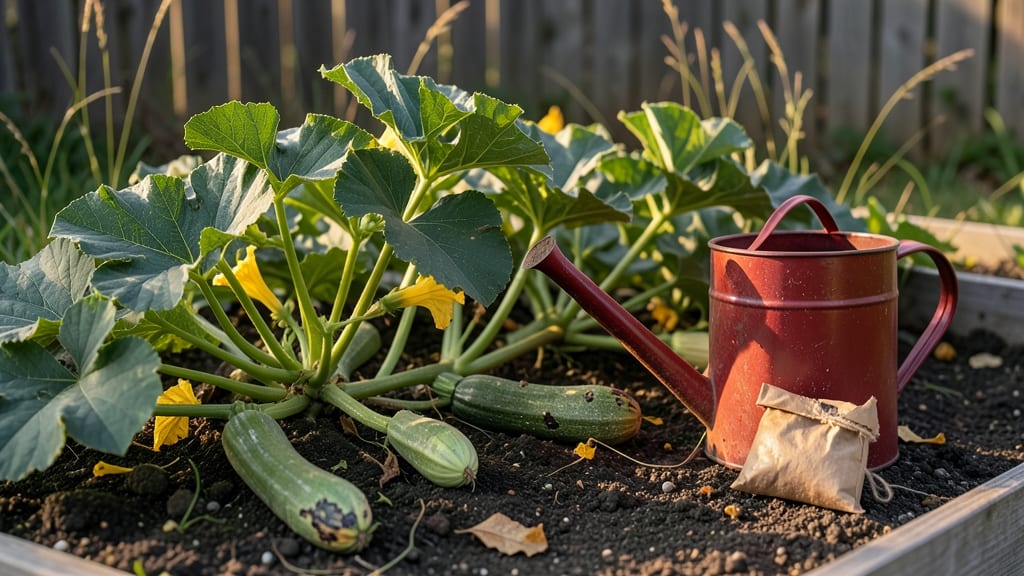
Blossom end rot on zucchini squash turns your harvest into a sad, mushy mess—but there’s a calcium boost that actually fixes it. 🌱 I’ve lost count of the zucchinis ruined by those dark, sunken spots, but I’ve also learned the exact steps to prevent them from ever showing up again.
The problem starts when your plants can’t access enough calcium, usually because of uneven watering or poor soil. Too much water at once flushes out calcium, while dry spells make it hard for roots to pull what’s already there.
The fix isn’t complicated: consistent moisture, a calcium supplement, and a little extra mulch to keep roots happy. Once you adjust your watering and add calcium (egg shells work, but crushed limestone is faster), new growth stays firm and blossom end rot disappears within weeks.
The best part? Healthy plants produce more fruit, and you’ll never waste another zucchini to squash bugs. This works for both zucchini and summer squash, no matter your garden size. Here’s how to make it happen—no more wasted harvests!
Root Causes of Blossom End Rot
Blossom end rot isn’t just a random blight—it’s a cry for help from your zucchini and squash plants, signaling that their calcium needs aren’t being met. Understanding the why behind this common garden woe is the first step to fixing it.
Below, we break down the science-backed reasons your produce is developing those unsightly, sunken, brown patches at the blossom end.
Blossom end rot is 90% of the time caused by a lack of available calcium in the plant’s growing tissues. But here’s the catch: calcium isn’t just about soil content—it’s about uptake, timing, and transport.
- Calcium’s Role: Calcium is essential for cell wall structure, especially in rapidly growing tissues like fruit.
When fruits expand too quickly (like zucchini or squash), the plant can’t deliver enough calcium to keep up, leading to weak spots that collapse. - Soil vs. Plant Availability: Even if your soil tests high in calcium, the plant may struggle to absorb it due to: - pH Imbalance: Soil pH below 6.0 or above 7.5 locks calcium out of the plant’s reach.
Ideal range? 6.2–6.8 for most vegetables. - Competing Nutrients: Excess nitrogen (common in fertilizers) can "starve" the plant of calcium by promoting leafy growth over fruit development. - Water Stress: Calcium moves through the plant via water. Inconsistent watering (drought followed by sudden soaking) disrupts this transport, leaving the blossom end vulnerable.
Pro Tip: 💡 Test your soil’s pH and calcium levels annually. A simple soil test kit (or lab test) can reveal if you’re over- or under-correcting.
Zucchini and squash have shallow root systems, meaning they’re sensitive to moisture fluctuations.
Blossom end rot often flares up when: - Drought Stress: Roots can’t pull up enough water (and thus calcium) during dry spells, causing fruit to "starve." - Overwatering: While it seems counterintuitive, waterlogged soil also blocks oxygen, slowing root function and calcium absorption. - Uneven Moisture: Watering only when the soil is bone-dry creates "feast or famine" conditions, where the plant can’t maintain steady calcium delivery.
Actionable Fix:
- Keep soil consistently moist (not soggy) by:
- Mulching with straw or grass clippings to retain moisture.
- Watering deeply 1–2 times per week (early morning is best) instead of daily shallow sprinkles.
- Using drip irrigation to deliver water directly to roots.
Heatwaves and cold snaps throw a wrench into calcium uptake. Here’s how: - High Temperatures: Above 85°F (29°C), plants transpire (lose water) faster than roots can replenish it.
This accelerates fruit growth but leaves calcium transport in the dust. - Cold Soil: Below 50°F (10°C), root activity slows, reducing the plant’s ability to absorb nutrients—even if they’re in the soil. - Rapid Temperature Swings: A sudden drop or spike (like a hot day followed by a chilly night) stresses the plant, diverting energy away from fruit development.
Solution:
- Shade Cloth: Use 30–50% shade cloth during heatwaves to reduce stress.
- Evening Watering: Water in the late afternoon or evening to help roots absorb moisture before nighttime cooling.
- Seasonal Adjustments: Plant zucchini and squash in warmer months (after the last frost) to avoid early-season cold stress.
Calcium isn’t just about what’s in the soil—it’s about what’s accessible to the roots.
Compacted or nutrient-poor soil creates a barrier: - Clay or Hardpan Soil: Roots struggle to penetrate, limiting their ability to forage for calcium. - Low Organic Matter: Soil rich in compost or aged manure holds calcium in a form plants can use. Sandy soil, on the other hand, leaches calcium away too quickly. - Salinity Issues: Over-fertilization (especially with synthetic salts) can burn roots, reducing their nutrient-uptake capacity.
How to Improve Soil:
- Add Organic Amendments: Mix in compost, worm castings, or well-rotted manure before planting.
- Aerate Compacted Soil: Use a broadfork or till in perlite/vermiculite to loosen the top 6–12 inches.
- Avoid Over-Fertilizing: Stick to balanced, organic fertilizers (like 5-5-5 or compost tea) to prevent salt buildup.
Too much nitrogen (the first number in fertilizer labels, e.g., 10-10-10) sends your plants into leafy overdrive, starving the fruit of calcium.
Here’s why: - Nitrogen vs. Calcium: Nitrogen promotes leaf and vine growth, but calcium is siphoned to the fastest-growing parts—usually the leaves, not the fruit. - Imbalanced Fertilizer: A ratio like 10-0-0 (pure nitrogen) is a recipe for blossom end rot, while 5-10-10 (moderate nitrogen + phosphorus/potassium) supports fruit development better.
Fix It:
- Switch to Low-Nitrogen Fertilizers: Use 5-5-5 or 3-4-6 for zucchini and squash.
- Side-Dress with Calcium: Sprinkle crushed eggshells, gypsum (calcium sulfate), or bone meal around the base of plants mid-season.
- Foliar Spray: A weekly spray of calcium nitrate (1 tsp/gallon) can give plants a quick calcium boost during critical growth stages.
Not all zucchini and squash are equally prone to blossom end rot. Fast-growing, large-fruited varieties (like ‘Black Beauty’ zucchini or ‘Delicata’ squash) are higher-risk because:
- Rapid Fruit Expansion: The faster the fruit grows, the harder it is for the plant to supply calcium.
- Thin Cell Walls: Some heirloom or hybrid varieties have weaker structural integrity, making them more susceptible to calcium deficiency symptoms.
Smart Planting Choices:
- Opt for Rot-Resistant Varieties: Try ‘Eight Ball’ zucchini or ‘Gold Rush’ acorn squash, which are bred for better calcium uptake.
- Harvest Early: Pick zucchini when 6–8 inches long to slow the growth rate and reduce stress on the plant.
- Space Plants Properly: Overcrowding leads to competition for nutrients and water, worsening rot risk. Aim for 2–3 feet between plants.
Quick Fixes for Blossom End Rot
Blossom end rot may look devastating, but with the right approach, you can save your zucchini and squash—and even prevent future outbreaks. The key is addressing the root cause (usually calcium deficiency or water stress) while giving your plants the support they need to bounce back.
Below, we’ve broken down practical solutions based on the most common triggers, so you can take action fast.
If your plants are starving for calcium, they’ll show it in the form of black, sunken spots at the blossom end. Here’s how to give them a calcium boost right now:
🍳 Emergency Calcium Treatment
- Mix up a calcium-rich spray: Combine 1 tablespoon of calcium chloride or crushed eggshells with 1 gallon of water. Stir well, then spray the leaves and soil around the base of affected plants.
Repeat every 3–5 days until new growth appears healthy. - Soak the roots: For severe cases, pour a calcium-rich solution (like the one above) directly into the soil around the plant’s roots. This helps the plant absorb calcium faster through its roots.
🌱 Long-Term Soil Amendments
- Add organic matter: Mix compost, well-rotted manure, or worm castings into the soil before planting.
These improve soil structure and help calcium become more available to roots. - Use calcium-rich amendments: - Crushed eggshells (bake and grind them into a fine powder). - Gypsum (calcium sulfate) – sprinkle 1–2 pounds per 100 sq ft and water in. - Lime (if your soil is acidic) – test your soil first to avoid overdoing it.
> 💡 Pro Tip: Avoid over-fertilizing with nitrogen-heavy feeds (like fresh manure), as this can worsen calcium uptake. Stick to balanced fertilizers (like 10-10-10) or organic options like fish emulsion.
Fluctuating moisture levels are a top cause of blossom end rot. Plants need consistent hydration—not too much, not too little—to absorb calcium properly.
👨🍳 Watering Best Practices
- Keep soil evenly moist: Aim for 1–1.5 inches of water per week, including rainfall.
Use a moisture meter or stick your finger 1–2 inches into the soil—if it’s dry, water deeply. - Drip irrigation > sprinklers: Sprinklers can cause uneven watering and stress plants.
Instead, use soaker hoses or drip lines to deliver water slowly at the base. - Mulch to retain moisture: Spread 2–3 inches of straw, grass clippings, or wood chips around plants to lock in moisture and prevent rapid drying.
> ✨ Prevention Hack: Water in the early morning (before 10 AM) to reduce evaporation and fungal risks.
Extreme heat, cold snaps, or unbalanced soil pH can disrupt calcium absorption. Here’s how to keep your plants in their happy zone:
🔥 Temperature & pH Adjustments
- Avoid sudden temperature swings: Zucchini and squash thrive in 70–85°F. If nights dip below 50°F, use row covers to protect young plants.
- Test and adjust soil pH: Ideal pH for calcium uptake is 6.0–7.0.
If your soil is too acidic (below 6.0), add pelletized lime (follow package rates). If it’s too alkaline (above 7.5), mix in sulfur or peat moss.
> 🎯 Quick Test: Use a soil pH kit (available at garden centers) or send a sample to your local cooperative extension service for a free/low-cost analysis.
Not all hope is lost for zucchini or squash already showing rot. Try these last-resort tricks:
- Trim the rotten spot: If the damage is small and only on the blossom end, cut off the blackened area with a sterilized knife.
The rest of the squash may still be edible (peel and cook thoroughly). - Harvest early: If your plant is heavily infected, pick the fruit smaller than usual—young squash has less time to develop rot.
> ⚠️ Warning: If multiple fruits are rotting or the plant looks wilted or diseased, it’s best to remove and destroy the affected plant to prevent spreading.
Once you’ve treated the current issue, stop blossom end rot from coming back with these long-term strategies:
✅ Plant in well-draining soil – Avoid heavy clay or compacted soil. ✅ Choose calcium-rich companion plants – Plant beans, peas, or lettuce nearby (they add nitrogen and improve soil health). ✅ Rotate crops – Don’t plant squash in the same spot year after year (wait 2–3 years before replanting). ✅ Use calcium supplements at planting – Mix 1 cup of crushed eggshells or gypsum into the planting hole. ✅ Monitor weather patterns – If your area has droughts or heavy rains, plan for consistent irrigation.
By tackling calcium deficiency, watering habits, and soil conditions, you’ll give your zucchini and squash the best shot at rot-free, bountiful harvests. Start with one or two fixes this season, and watch your plants thrive! 🌿💚
Frequently asked questions
Can I still eat zucchini with blossom end rot?
Yes, but with caution! If only the blossom end is affected, cut off the blackened area and peel the fruit before cooking. The rest is safe to eat, though texture may be softer. For severe rot or mold, discard the entire squash to avoid food safety risks.
How quickly will my plants recover after fixing calcium issues?
You’ll typically see improvement within 1-2 weeks of consistent calcium treatment and proper watering. New growth should appear firm and healthy. For existing fruit, recovery depends on how early you intervene—smaller squash often recover faster than large ones.
What’s the fastest way to raise soil calcium levels?
Use gypsum (calcium sulfate)—it dissolves quickly and won’t alter soil pH. Sprinkle 1-2 pounds per 100 sq ft around plants, then water thoroughly. For an immediate boost, mix 1 tablespoon of calcium chloride in 1 gallon of water and pour directly into the soil.
Will compost alone prevent blossom end rot?
Compost helps, but it’s not enough by itself. While it improves soil structure, zucchini need direct calcium supplements like crushed eggshells or gypsum. Think of compost as the foundation—calcium is the special ingredient that prevents rot. Aim for both organic matter AND calcium-rich amendments.
Can I use coffee grounds to fix blossom end rot?
No, coffee grounds actually lower soil pH, which makes calcium less available. They’re better for acid-loving plants like blueberries. For zucchini, stick to calcium-rich amendments like eggshells or gypsum instead.