
Pests
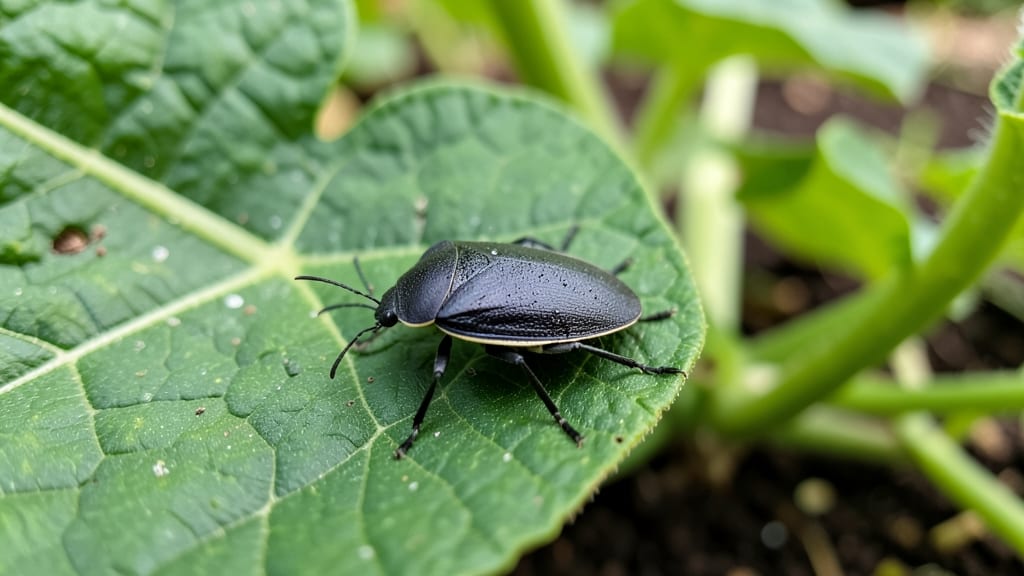
Learn how to get rid of squash bugs in the garden before they turn your thriving zucchini into a sad, skeletonized mess—unless you act fast. 🌿 I’ve battled these shield-backed invaders for years, and these five organic methods actually work where store-bought sprays fail.
The key? Catching them early and attacking their life cycle, not just the adults.
Here’s the hard truth: squash bugs thrive in warm, humid gardens, and they multiply fast. One female can lay 300 eggs in a season, so by the time you spot the first adult, the damage is already done.
But the good news? You don’t need harsh chemicals—just targeted, consistent action like handpicking, row covers, and neem oil sprays timed right.
Within 2-3 weeks of starting this routine, you’ll see fewer eggs on the undersides of leaves, stronger vines, and plants that bounce back instead of wilting. The secret weapon? Diatomaceous earth around the base of plants—it dries out their soft bodies and stops them in their tracks.
Works for all squash family plants—zucchini, pumpkins, cucumbers, even melons. The methods scale from a single raised bed to a full backyard plot, and they’re safe for kids and pets once fully dried. Let’s crush this infestation for good.
Root Causes of Squash Bugs
Squash bugs (Anasa tristis) don’t just appear out of nowhere—they’re drawn to your garden by specific conditions that make it the perfect buffet. Understanding why they show up is the first step to stopping them before they wreak havoc on your cucurbits (squash, pumpkins, zucchini, and melons).
Let’s break down the science behind their invasion.
Squash bugs thrive where plants are weak or struggling. Here’s why:
- Poor Spacing: When squash, pumpkins, or cucumbers grow too close together, airflow is restricted.
This creates a humid microclimate—ideal for squash bugs, which love moisture and shade. 🌡️ Pro tip: They’re less likely to attack plants with 3–4 feet of spacing between them. - Nutrient Deficiencies: Plants deficient in nitrogen, potassium, or phosphorus produce weaker stems and leaves—easy pickings for squash bugs.
Look for yellowing leaves (nitrogen deficiency) or stunted growth (phosphorus deficiency) as red flags. - Overwatering or Poor Drainage: Squash bugs hate dry soil, but they love soggy roots.
Overwatering or compacted soil weakens plants, making them more attractive to pests. 💧 Fix it: Ensure your garden has well-draining soil and water deeply but infrequently.
Squash bugs are specialized feeders—they only target plants in the Cucurbitaceae family (squash, pumpkins, cucumbers, melons, and gourds). But their lifecycle starts before they even reach your garden:
- Winter Hosts: Adult squash bugs overwinter in weedy areas, leaf litter, or garden borders, emerging in spring to lay eggs on wild cucurbits (like wild gourds or buffalo gourds).
If these weeds are nearby, they’ll migrate to your cultivated plants once they sense healthy growth. - Early Planting: Squash bugs time their egg-laying to hatch when young squash seedlings are just sprouting.
Planting too early (before last frost) gives them a head start on infestation. 🌱 Solution: Use row covers or wait until after the last frost to plant.
Squash bugs are sneaky strategists. They don’t just drop eggs randomly—they choose the most vulnerable spots on your plants:
- Undersides of Leaves: Female squash bugs lay flat, oval eggs (about the size of a match head) in clusters on the undersides of leaves, stems, or vines.
These eggs are camouflaged and blend in with leaf veins. 🔍 Spot them: Check leaves daily after planting—early detection means fewer bugs! - Stems and Petioles: Eggs laid near leaf stems or growing tips ensure the nymphs (baby squash bugs) have immediate access to sap.
If you see white, frothy masses on stems, it’s a sign of heavy infestation. - Warm, Sheltered Areas: Squash bugs prefer south-facing plants or those near fences/walls (which trap heat).
They avoid exposed, windy areas—so if your garden has shady or protected spots, those are their favorite real estate.
Squash bugs are highly sensitive to temperature and humidity. Their populations explode under these conditions:
| Condition | Why It Attracts Squash Bugs | How to Counter It |
|---|---|---|
| Warm Springs | Adults emerge earlier, laying eggs faster. | Plant late-season varieties or use floating row covers. |
| High Humidity | Moisture helps eggs hatch and nymphs survive. | Improve airflow with proper spacing. |
| Drought Followed by Rain | Stress weakens plants, then rain triggers egg-hatching. | Mulch heavily to retain moisture evenly. |
| Cool Nights | Slows predators (like birds) but doesn’t stop squash bugs. | Encourage beneficial insects (ladybugs, lacewings) with neem oil sprays. |
💡 Key insight: Squash bugs peak in mid-to-late summer—this is when you’ll see the most damage. Monitor plants weekly during this period.
In a balanced ecosystem, squash bugs have many enemies. But if your garden lacks predatory insects, they’ll multiply unchecked:
- Missing Predators: Birds, parasitic wasps (Telenomus bassus), and ground beetles eat squash bug eggs and nymphs.
If you’ve used broad-spectrum pesticides, these helpers may have vanished. - Monoculture Gardens: Planting only squash family crops in a row removes diversity, leaving no food for predators. 🌿 Fix it: Interplant with marigolds, basil, or dill to attract beneficial insects. - Chemical Overuse: Neonicotinoids and synthetic pyrethroids kill squash bug predators faster than the bugs themselves.
Opt for organic sprays (like kaolin clay or insecticidal soap) instead.
Sometimes, our own gardening practices create the perfect squash bug paradise:
- Compost or Mulch from Infested Areas: If you use yard waste or compost from a previously infested garden, squash bug eggs or nymphs might hitch a ride.
- Ignoring Garden Debris: Leaving dead vines, fallen leaves, or plant refuse over winter gives squash bugs a safe hiding spot to survive until spring.
- Not Rotating Crops: Planting squash in the same spot yearly means squash bugs know exactly where to find their favorite meal. 🌱 Solution: Practice crop rotation—avoid planting cucurbits in the same bed for 3+ years.
Squash bugs don’t invade randomly—they’re opportunistic pests that exploit weak plants, ideal weather, and lack of predators. By addressing these root causes, you can starve them out before they start.
The good news? Prevention is easier than cleanup—once you know their tricks, you can outsmart them!
Quick Fixes for Squash Bug Woes
Now that you know why squash bugs are crashing your garden party, let’s roll up our sleeves and tackle them head-on! These pests are stubborn, but with the right approach, you can reclaim your squash, pumpkins, and zucchini—without resorting to harsh chemicals.
Below, we’ve mapped out practical, organic solutions tailored to the root causes of your squash bug problem. Plus, we’ll share prevention tips to keep them from returning.
Squash bugs love dense foliage, which gives them shelter and easy access to sap. If your plants are packed too tightly, thinning is your first line of defense.
How to Fix It:
- 🌱 Space plants properly at planting time: Give squash, pumpkins, and cucumbers 3–4 feet of space between vines (check seed packets for variety-specific needs).
- 🌿 Prune aggressively: Remove excess leaves and vines, especially near the soil. Focus on lower foliage, where eggs are often laid.
- 🌞 Improve airflow: Use stakes or trellises to elevate vines, reducing humidity (which squash bugs adore).
Pro Tip: 💡 If you’re already dealing with an infestation, thin plants immediately—it disrupts the bugs’ hiding spots and makes manual removal easier.
Squash bugs lay eggs in clusters on the undersides of leaves, and those nymphs can wipe out a plant in weeks. Early detection is key!
How to Fix It:
- 🔍 Inspect leaves daily: Flip leaves (especially near the stem) and look for small, shiny, copper-colored eggs (about the size of a pinhead).
- 🧼 Scrape eggs off with a plastic scraper or your fingernail: Drop them into soapy water to kill them instantly. (A damp sponge works too!)
- 🕰️ Time it right: Check every 2–3 days—eggs hatch in 7–10 days, so consistency is critical.
Pro Tip: ✨ Use a flashlight at dusk—squash bugs are most active then, and you might spot adults laying eggs in real time.
Once squash bugs mature, they become relentless sap-suckers. Hand-picking is tedious but effective if done right.
How to Fix It:
- 👨🍳 Wait for the right moment: Go out early morning or late evening when bugs are sluggish (they’re less likely to fly away).
- 🔪 Crush them with gloves or a stiff brush: Place a tray or newspaper beneath plants to collect squashed bugs (and prevent them from crawling back).
- 🕳️ Use beer traps: Fill a shallow dish with beer or yeast water—squash bugs are attracted to the smell and drown. Bury the dish slightly so it’s hidden from predators.
Pro Tip: 🌡️ If temps are below 60°F, bugs move slower—perfect for smashing time!
Squash bugs overwinter in duff and garden debris, so if your soil is a hotspot, disruption is the answer.
How to Fix It:
- 🔄 Rotate crops: Avoid planting squash, cucumbers, or pumpkins in the same spot for 3+ years. Bugs rely on familiarity!
- 🔥 Till or solarize soil: In fall, till the bed deeply (6–8 inches) to expose overwintering eggs. For a stronger kill, cover beds with clear plastic for 4–6 weeks in summer (solarization bakes eggs alive).
- 🍂 Remove all debris: Clear old vines, leaves, and mulch from the garden bed—burn or compost them far from your garden.
Pro Tip: 🎯 Plant marigolds or nasturtiums near squash—their strong scent repels squash bugs naturally.
If squash bugs are a recurring nightmare, physical barriers can save your harvest.
How to Fix It:
- 🧶 Use row covers: Floating row covers (lightweight fabric) block adults from laying eggs. Secure edges tightly with soil or bricks.
- 🪟 Collar young plants: Wrap cardboard or aluminum foil collars around stems of seedlings to trap crawling bugs.
- 🌱 Interplant with repellents: Mix in basil, thyme, or dill—their scents deter squash bugs while adding flavor to your kitchen.
Pro Tip: 💡 For container gardens, use black plastic pots—squash bugs avoid the dark surface and are easier to spot.
Final Reminder: Consistency is everything! Squash bugs are opportunistic, so combine 2–3 methods (e.g., daily scraping + beer traps + crop rotation) for the best results. With these strategies, you’ll outsmart, not just outlast, these pesky invaders—and enjoy a bug-free harvest in no time! 🎉
Frequently asked questions
How do I tell if my squash plants have squash bugs?
Look for flat, copper-colored eggs (size of a pinhead) on leaf undersides or stems. Adult bugs are half-inch long, grayish-brown shields with black stripes. Watch for wilted, yellowing vines or black, frothy mold on stems—signs of their sap-sucking damage.
Why do squash bugs keep coming back even after I treat them?
They likely overwintered in your garden debris or nearby weeds. Adults emerge in spring and can lay 300+ eggs per female! Remove all plant refuse in fall, rotate crops, and use row covers early in the season to block new adults.
Is diatomaceous earth safe for squash plants?
Yes! Food-grade diatomaceous earth is non-toxic to plants when used correctly. Sprinkle a thin layer (1-2 tbsp per plant) around stems and leaf bases, avoiding direct contact with flowers. Reapply after rain—it works by dehydrating bugs, not poisoning them.
Can I use neem oil on squash bugs?
Mix 1 tsp neem oil + 1 tsp mild soap per quart of water, spray undersides of leaves at dusk, and reapply every 5-7 days. It disrupts their life cycle and deters egg-laying. Just avoid spraying when flowers are open to protect pollinators.
What should I do if my squash plants are already dying from squash bugs?
Remove heavily infested plants immediately to stop the spread. For remaining plants, use kaolin clay spray (like Surround WP) to create a protective barrier. Focus on new growth—healthy plants can often recover if you eliminate the bugs within 2-3 weeks.