
Planting
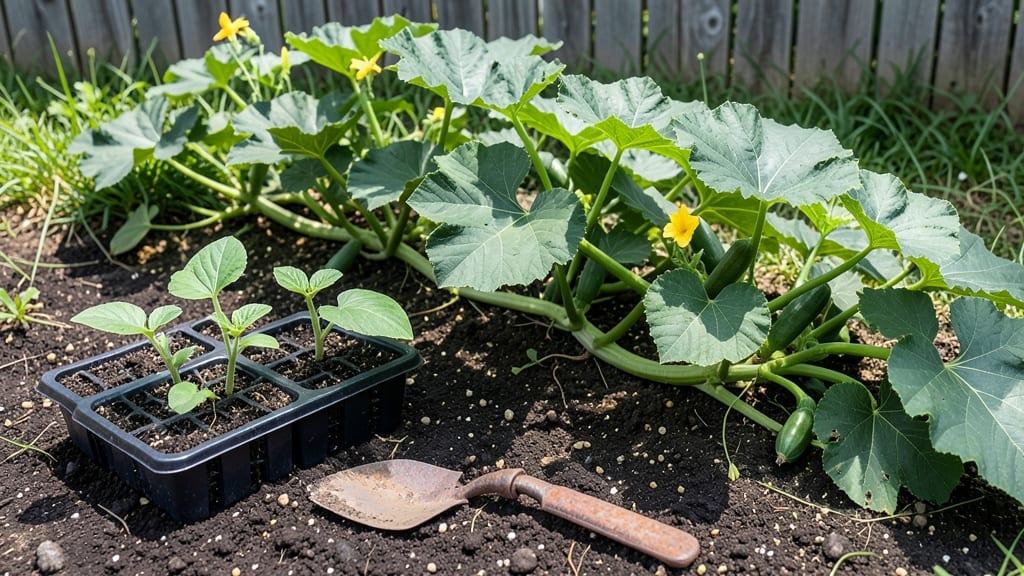
Planting zucchini squash starts with warm soil and patience—these seeds sprout in just 3-5 days when conditions are right. ✨ I’ve learned that rushing the timing or skipping soil prep is how you end up with leggy, weak plants that bolt before producing.
The secret? A little prep work before those seeds even hit the dirt. You’ll need a sunny spot with 6-8 hours of direct light, well-draining soil rich in compost, and a 1-inch-deep trench for seeds spaced 2-3 feet apart.
Zucchini grows fast, so give it room to sprawl—crowding leads to powdery mildew and stunted fruit. If your season is short, opt for bush varieties like ‘Eight Ball’ to save space.
By mid-summer, you’ll be harvesting 1-2 pound zucchinis every few days if you keep the soil moist (not soggy) and fertilize lightly with compost tea.
The first few fruits might be small, but consistency pays off—my plants now produce until the first frost, and neighbors ask for seedlings every spring. Avoid common pitfalls like planting too early (wait until soil is 60°F+) or over-fertilizing with nitrogen (that makes leaves, not fruit).
Companion plants like nasturtiums deter pests, and a mulch layer keeps roots cool and moisture locked in. Ready to grow? Let’s get those seeds in the ground!
📚 In This Guide
- What you need
- Instructions
- Tips and common mistakes
- Wrapping up and next steps
What you need
- ● Zucchini seeds: 3–5 seeds per plant (or 1–2 seeds per spot if you’re okay with thinning seedlings). Choose heirloom or hybrid varieties based on your preference.
- ● Seed-starting soil or potting mix: 1–2 small pots (4–6 inches deep) if starting indoors, or a well-draining, organic-rich soil mix for direct planting.
- ● Compost or well-rotted manure: 2–3 cups per planting hole to enrich the soil with nutrients.
- ● Watering can or hose with a gentle spray nozzle: For consistent moisture without disturbing seedlings.
- ● Garden trowel or hand shovel: For digging planting holes (6 inches deep and 12–24 inches apart).
- ○ Gloves (optional but recommended): To protect your hands while handling soil or prickly squash vines.
- ● Mulch (straw, grass clippings, or shredded leaves): 2–3 inches thick to retain moisture and suppress weeds.
- ● Row cover or frost cloth (if planting early): To protect seedlings from late frosts.
- ● Sunlight: A spot with full sun (6–8 hours daily)—zucchini is a sun-worshipper!
- ● Warm soil: Wait until the soil temperature reaches at least 60°F (15°C)—zucchini hates cold feet!
- ● Space: Plants need 3–4 feet between hills (or 2–3 feet for bush varieties) to sprawl comfortably.
- ● Well-draining soil: Zucchini despises soggy roots—amend clay soil with compost or sand if needed.
Step-by-step instructions for planting zucchini squash
Here’s the method I’ve used for years to get zucchini sprouting in just 3-5 days—no waiting weeks.
🌱 Step 1: Soak Seeds Overnight for Faster Germination
Fill a small bowl with lukewarm water and add the zucchini seeds. Let them soak for 8-12 hours—this softens the seed coat and triggers faster sprouting. You’ll see tiny white roots peeking out after just a few hours.
Drain the seeds in a fine-mesh strainer or paper towel, then let them air-dry for 10-15 minutes before planting. This prevents them from sticking together in the soil. I always label the bowl with the date so I don’t forget to plant them the next morning.
🪴 Step 2: Prepare Warm, Well-Draining Soil
Zucchini thrives in rich, well-draining soil with a pH between 6.0 and 7.0. Mix in 2-3 inches of compost into the top 6 inches of soil to give roots plenty of nutrients. If your soil is heavy clay, add 1 part perlite or coarse sand to 3 parts soil to improve drainage.
Work the soil until it’s loose and crumbly—think of it like fluffy cake batter, not packed dirt. The warmer the soil, the faster the seeds germinate, so if spring is still chilly, consider using black plastic mulch to raise soil temperatures by 5-10°F. You’ll know the soil is ready when it feels warm to the touch (around 60°F or higher).
☀️ Step 3: Plant Seeds at the Right Depth and Spacing
Dig holes 1 inch deep—any deeper, and the seeds may take longer to sprout. Drop 2-3 soaked seeds into each hole and cover lightly with soil. Space holes 2-3 feet apart in rows that are 4-6 feet apart to give plants room to sprawl. Zucchini vines grow fast, so crowding leads to weak, disease-prone plants.
Water gently but thoroughly after planting to settle the soil around the seeds. Avoid soaking the area—you want the soil moist but not soggy. A light misting with a watering can or hose works best. If your soil stays damp, germination happens in 3-5 days. If it dries out, it could take 7-10 days or longer.
💧 Step 4: Keep Soil Consistently Moist Until Sprouts Appear
Check the soil daily—zucchini seeds need steady moisture to germinate. Water when the top inch feels dry, but don’t let it turn to mud. A simple trick: Press your finger into the soil. If it feels like a slightly damp sponge, you’re good. If it’s bone-dry, water immediately.
Once sprouts emerge, reduce watering slightly to prevent damping-off (a fungal disease that causes seedlings to collapse). You’ll know you’ve got it right when the first true leaves (not the initial seed leaves) appear—this usually takes 7-10 days after planting. At this stage, thin the seedlings, leaving only the strongest one per hill to avoid competition.
⏰ Step 5: Transplant or Thin for Strong Starts
If you planted multiple seeds per hole, wait until seedlings are 3-4 inches tall before thinning. Snip the weaker ones at the base with clean scissors—this prevents disturbing the roots of the plants you’re keeping. You’ll see the remaining seedlings perk up within 24 hours as they stretch toward the light.
For container growers, transplant seedlings into 5-gallon pots once they’ve developed 3-4 true leaves. Zucchini needs deep roots, so avoid small containers. If you’re planting in the ground, add a handful of compost around each seedling when thinning to give them a nutrient boost. Keep the soil consistently moist but not waterlogged—this ensures fast, vigorous growth and bigger yields.
Tips & tricks for perfect zucchini germination
Here's what nobody tells you about getting zucchini to sprout in record time—these tricks cut weeks off your wait.
Soaking Secret: The 8-12 hour soak isn't just about speed—it's about breaking dormancy. I've seen seeds with tiny white roots after just 4 hours, but they need that full window to fully hydrate. Use a bowl with a lid to retain moisture, and swap the lukewarm water every 4 hours if it cools below 70°F. Cold water slows germination dramatically. The roots will be more visible if you use a clear bowl—it's like watching magic happen!
Soil Temperature Hack: That 60°F soil temp is your magic number, but achieving it takes strategy. If your ground feels cooler, try planting in a black plastic-lined bed or even a raised bed with bottom heat mats. I've had seeds sprout in just 3 days when soil hit 65°F—regular garden soil at that temp might take twice as long. Test with a soil thermometer if you're unsure; your hands aren't reliable for this precise measurement.
Planting Depth Visual: That 1-inch depth is crucial, but what does it really look like? Hold your finger alongside the hole—it should be about the width of your pinky finger from knuckle to first joint. Planting too deep forces seeds to push through more soil, delaying sprouting. The lighter you cover them, the faster they'll emerge. I always make the holes with a dibber or pencil first to ensure consistent depth.
Watering Wisdom: After planting, think "damp sponge" not "soggy mud." The top inch should feel like a wrung-out sponge—moist but not dripping. Too much water creates anaerobic conditions that prevent germination. I use a spray bottle for the first 24 hours to avoid disturbing the seeds while keeping them hydrated. Once sprouts appear, reduce to every other day to prevent damping-off disease.
Pro Tips for Plant Zucchini Squash
- Here's what nobody tells you about getting zucchini to sprout in record time—these tricks cut weeks off your wait.
- Soaking Secret: The 8-12 hour soak isn't just about speed—it's about breaking dormancy.
- Soil Temperature Hack: That 60°F soil temp is your magic number, but achieving it takes strategy.
Frequently asked questions
Got questions about growing zucchini squash? You’re not alone! Here are answers to the most common queries to help you grow like a pro.
When is the best time to plant zucchini squash?
Zucchini thrives in warm soil—plant seeds after the last frost when temperatures stay above 60°F (15°C). For a head start, sow seeds indoors 4–6 weeks before transplanting (if your climate allows). In cooler zones, use black plastic mulch to warm the soil faster. Pro tip: Zucchini grows best with 6–8 hours of sunlight daily!
How long does it take for zucchini seeds to germinate?
Zucchini seeds typically sprout in 3–10 days, depending on soil warmth and moisture. Keep soil consistently moist (not soggy) and maintain temperatures above 70°F (21°C) for fastest germination. If seeds take longer than 2 weeks, they may need more warmth or a gentle scratch to break dormancy.
Why aren’t my zucchini plants producing fruit?
Common culprits include lack of pollinators (hand-pollinate with a brush if bees are scarce), overcrowding (thin plants to 2–3 feet apart), or nutrient deficiencies (feed with compost or balanced fertilizer). Also, check for pests like squash vine borers—cover young plants with row fabric if needed.
Can I grow zucchini in containers?
Zucchini needs at least 2–3 gallons of space per plant (5-gallon containers work well). Use a large, deep pot with drainage holes and fill it with nutrient-rich potting mix. Place containers in full sun and water consistently—container-grown zucchini may need more frequent watering than in-ground plants.
What can I plant near zucchini for better growth?
Zucchini benefits from companion plants like nasturtiums (repel pests), beans or peas (fix nitrogen), or marigolds (deter squash bugs). Avoid planting near potatoes or aromatic herbs (like sage), as they can stunt growth. Bonus: Interplanting with radishes or lettuce helps maximize space!
Wrapping up and next steps
Planting zucchini squash is a rewarding journey that leads to a bountiful harvest—and you’ve got all the tools to succeed! 🌱 From choosing the right soil and spacing seeds properly to mastering watering and pest control, these steps ensure your plants thrive.
Now that you’re armed with knowledge, take the next step: grab your gardening gloves, mark your calendar for those fast-germinating seeds, and watch your garden transform into a zucchini paradise.
Remember, every expert gardener started with their first seed. Happy planting—and enjoy those fresh, homegrown squashes! 😊