
Picking
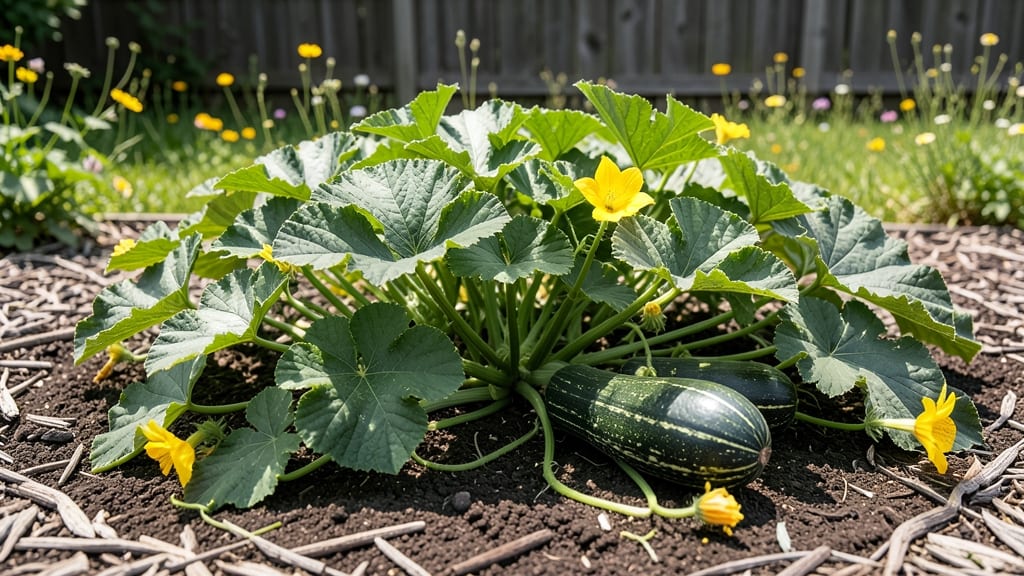
Hybrid zucchini squash delivers 3-4 times the yield of heirlooms in the same space—my compact 'Eight Ball' plants fed us all summer with minimal garden real estate. 🌱 The secret lies in their disease resistance and consistent production, which means fewer failed plants and more homegrown meals.
I planted mine in late May after the last frost, and within 6-8 weeks, I had my first harvest. These hybrids thrive in well-draining soil with 1-2 inches of water weekly, but the real game-changer is their compact growth habit.
You can space them 2-3 feet apart instead of the 3-4 feet heirlooms need, freeing up space for other crops. The key is consistent moisture—they hate drying out but also despise soggy roots.
By midsummer, you'll be harvesting 1-2 pounds of zucchini per plant weekly, and the plants keep producing until frost. The flavor? Sweet, tender, and perfect for grilling or spiralizing. Plus, their resistance to powdery mildew means fewer sprays and healthier plants all season.
Whether you're growing in raised beds, containers, or in-ground plots, these hybrids adapt well. The only downside? You'll need to save seeds from your best plants if you want to grow them again next year—hybrids don't breed true. Let's get those seeds in the ground!
📚 In This Guide
- What you need
- Instructions
- Tips and common mistakes
- Wrapping up and next steps
What you need
- ● Hybrid zucchini squash seeds – Choose disease-resistant varieties like 'Eight Ball' or 'Black Beauty' (1–2 packets, ~20–30 seeds per packet).
- ● Containers or garden beds – For containers: 5-gallon pots or larger (1 pot per plant, 12–18" deep).
- ● For garden beds: Well-draining soil, 2–3 feet of spacing between plants, and 3–4 feet between rows.
- ● High-quality potting mix or garden soil – Look for organic, nutrient-rich blends with compost or aged manure.
- ● Fertilizer – Balanced 10-10-10 or organic options like compost tea or worm castings.
- ● Watering can or hose with a gentle nozzle – Avoid overwatering; aim for 1–2 inches of water per week.
- ○ Mulch (optional but recommended) – Straw or shredded leaves to retain moisture and suppress weeds.
- ● Trellis or stakes – For varieties that vine (e.g., 'Straight Eight'), to save space and improve airflow.
- ● Row covers or shade cloth – Protects young seedlings from pests or harsh sun (30–50% shade for hot climates).
- ● Pruning shears – For trimming excess vines or yellowing leaves.
- ● Glove and knee pads – Because gardening is hard work (but so worth it!).
Step-by-step guide to growing compact hybrid zucchini squash
Here’s how to cultivate vigorous, space-saving hybrid zucchini plants that produce abundant fruit without sprawling everywhere.
🌱 Step 1: Choose the Right Variety and Planting Location
Hybrid zucchini varieties like 'Eight Ball' or 'Raven' are bred for compact growth, reaching only 2-3 feet tall—perfect for small gardens or containers. Start with 4 plants to ensure a steady harvest for your household. Plant in full sun with at least 6 hours of direct light daily, though they tolerate partial shade in hot climates.
Soil temperature must reach 60°F before planting, as cold soil delays germination. Work in 2-3 inches of compost into the topsoil to enrich it—zucchini are heavy feeders and need fertile ground. Avoid fresh manure, which can burn tender roots. Here’s the thing: if your soil drains poorly, amend it with sand or perlite to prevent waterlogged roots, a common issue that stunts growth.
🌱 Step 2: Direct Sow Seeds or Transplant Seedlings
For direct sowing, plant 4 seeds per hill, spacing hills 3-4 feet apart in rows 4-5 feet apart. Sow seeds 1 inch deep—deeper planting delays germination because seedlings struggle to push through dense soil. Cover lightly with soil and water gently to avoid displacing seeds. If transplanting seedlings, harden them off for 7-10 days before moving to the garden to prevent shock.
Watch for first true leaves (the second set after the initial cotyledons) to appear in 7-14 days. If seedlings emerge unevenly, thin to the strongest plant per hill once they’re 3-4 inches tall. I know it seems wasteful, but crowded plants compete for nutrients and produce smaller fruit. Use sharp scissors to avoid disturbing roots when thinning.
☀️ Step 3: Provide Consistent Water and Fertilizer
Water deeply 1-2 inches per week, keeping soil moist but not soggy. Zucchini are 90% water by weight, so consistent moisture prevents bitter fruit and blossom-end rot. Water at the base in the morning to reduce fungal diseases—wet leaves overnight invite powdery mildew. Mulch with 2-3 inches of straw or shredded leaves to retain moisture and suppress weeds, which compete for nutrients.
Feed plants every 2-3 weeks with a balanced fertilizer (10-10-10) or compost tea. You’ll notice larger leaves and more flowers within a week of fertilizing. Stop fertilizing 4-6 weeks before harvest to shift energy from foliage to fruit development. Over-fertilizing late in the season leads to excessive leaf growth at the expense of squash production.
✂️ Step 4: Prune and Train for Compact Growth
Pinch off the first few flowers that appear to encourage bushier growth. Hybrid varieties like 'Eight Ball' naturally stay compact, but removing early blooms redirects energy to stronger stems and more productive branches. Once plants are established, trim suckers (small shoots growing from the stem) to maintain a tight, bushy shape. This prevents leggy growth and improves air circulation, reducing disease risk.
Train vines to grow upward using cages or trellises if space is limited. Compact hybrids tolerate this well, and vertical growth keeps fruit off the ground, reducing rot. Harvest regularly—picking squash when they’re 6-8 inches long encourages more production. Leaving fruit on the vine too long diverts nutrients away from new flowers, slowing your harvest.
🌿 Step 5: Monitor for Pests and Diseases
Watch for squash bugs and cucumber beetles, which lay eggs on the undersides of leaves. Remove eggs by hand or spray with neem oil in the evening to avoid harming bees. Yellowing leaves often signal powdery mildew—improve airflow by pruning crowded foliage and apply baking soda spray (1 tbsp baking soda + 1 quart water + a drop of dish soap) weekly as a preventive measure.
If leaves develop black spots, it’s likely alternaria leaf spot, common in humid weather. Remove infected leaves immediately and space plants wider than recommended to enhance airflow. Rotate crops next season—zucchini are part of the cucurbit family, so avoid planting in the same spot for 3 years to prevent soil-borne diseases from building up.
Tips & tricks for growing compact hybrid zucchini
These practical insights will help you maximize your space and yield with these space-saving varieties.
Soil Preparation Secret: Before planting, mix in 1 cup of bone meal with the 2-3 inches of compost—this adds phosphorus for root development and early flowering. I've noticed plants that get this boost produce fruit 2-3 weeks earlier than those without. Test your soil pH too; zucchini thrive in slightly acidic soil (6.0-6.8), and you can adjust with lime or sulfur if needed.
Seedling Care: When thinning seedlings to the strongest plant per hill, don't rush—wait until they're 3-4 inches tall and have developed 2-3 true leaves. This ensures you're removing only the weakest competition. I've found that transplanting seedlings that are too small often leads to shock, so patience here pays off in stronger plants. Use a small trowel to carefully lift seedlings rather than pulling by hand to avoid damaging roots.
Watering Strategy: The 1-2 inches of water per week guideline works best when delivered consistently. I recommend using a drip irrigation system or soaker hose for the base of plants—this keeps moisture where it's needed while preventing fungal issues from overhead watering. Early morning (6-8 AM) is ideal for watering, as it allows foliage to dry before evening humidity sets in.
Harvest Timing: Those 6-8 inch zucchini are perfect for slicing and grilling, but don't wait too long! I harvest mine when they're 5-6 inches for the tenderest texture. Use a sharp knife or pruners to cut the stem—never twist or pull, as this can damage the plant. Regular harvesting (every 2-3 days during peak production) actually stimulates more flowers and fruit to develop.
Pro Tips for Hybrid Zucchini Squash
- These practical insights will help you maximize your space and yield with these space-saving varieties.
- Soil Preparation Secret: Before planting, mix in 1 cup of bone meal with the 2-3 inches of compost—this adds phosphorus for root development and early flowering.
- Seedling Care: When thinning seedlings to the strongest plant per hill, don't rush—wait until they're 3-4 inches tall and have developed 2-3 true leaves.
Frequently asked questions
Got questions about growing hybrid zucchini squash?
You’re not alone! Here are answers to the most common queries to help you cultivate a thriving harvest with ease.
How do I know when hybrid zucchini squash is ready to pick?
Harvest hybrid zucchini squash when they’re 6–8 inches long, smooth, and firm to the touch. Wait until the skin is shiny and the stem end feels slightly soft (but not mushy). Picking early encourages more production—don’t let them grow past 10 inches, or they’ll turn tough and seedy!
How often should I harvest hybrid zucchini squash?
Check your plants every 2–3 days during peak season (summer). Regular harvesting (2–3 times per week) keeps plants productive and prevents overgrowth. Pro tip: Use a sharp knife or pruners to avoid damaging vines, and leave a small stem attached to slow decay.
Can I grow hybrid zucchini squash in containers?
Choose a large container (at least 5 gallons) with drainage holes and fill it with well-draining soil. Dwarf or bush varieties (like ‘Eight Ball’) thrive in pots. Place them in full sun (6+ hours/day) and water consistently—containers dry out faster than garden beds.
What pests should I watch for with hybrid zucchini squash?
Common culprits include squash bugs, cucumber beetles, and aphids. Inspect leaves daily for holes, yellowing, or sticky residue. Handpick pests early, use row covers for beetles, or spray with neem oil. Rotate planting locations yearly to break pest cycles.
How can I store or preserve hybrid zucchini squash?
Store unripe squash in a cool, dark place (50–55°F) for up to 2 weeks. For long-term storage, freeze cooked zucchini (blanch first) or pickle it in vinegar brine. Try grilling, spiralizing, or baking into bread—hybrid varieties hold up well to creative recipes!
Wrapping up and next steps
Growing hybrid zucchini squash is a rewarding journey that blends ease with abundance—perfect for gardeners of all levels! 🌱 Whether you’re drawn to their compact vines, high yields, or versatility in the kitchen, these plants deliver big results with minimal fuss.
Now that you’re armed with the right materials and answers to common questions, it’s time to roll up your sleeves and plant your seeds.
Start small—try a single plant or a few seeds in a container—and watch your confidence (and harvest!) grow. Ready to pick your first squash? Mark your calendar and get ready to savor the fruits of your labor! 🍆✨