
Vegetables
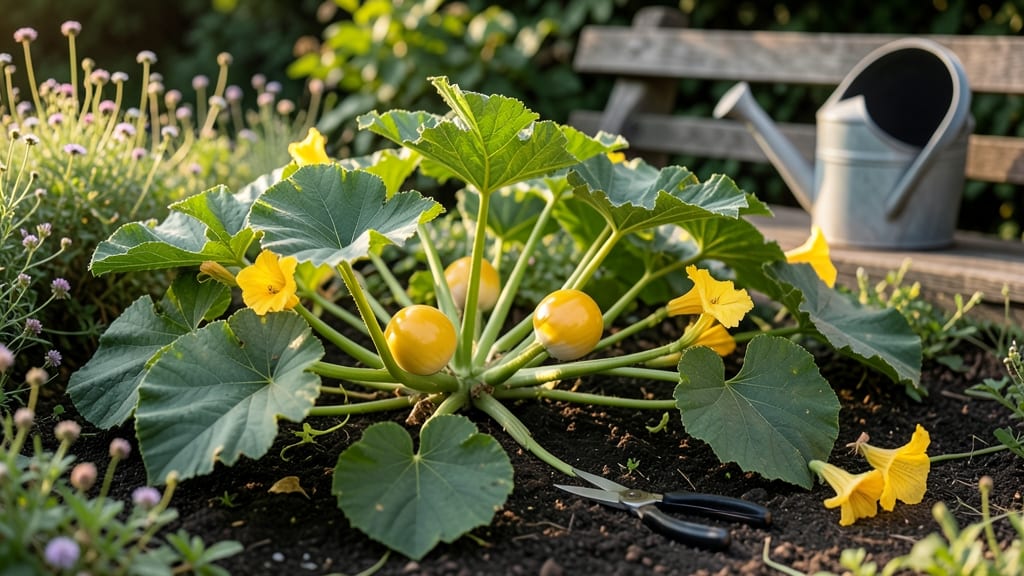
Growing Yellow Eight Ball squash in containers changed how I garden in small spaces. 🌱 These compact vines produce 1-2 pound squash perfect for patios, balconies, or even windowsills—no sprawling vines required.
My first harvest last summer had me sharing squash with neighbors by August, and the plants barely took up 3 feet of space. The secret lies in well-draining soil, consistent watering, and a sturdy 5-gallon container.
I use a mix of compost and potting soil to keep roots happy, and the vines thrive in full sun (6+ hours daily). Even in my Zone 6 garden, they produce reliably when planted after the last frost—no fuss, just delicious results.
You'll harvest tender, golden squash in 50-55 days, each one sweet and perfect for grilling, roasting, or slicing into salads. The vines keep producing all season long, giving you a steady supply without the space demands of traditional squash.
Works for apartment balconies, small yards, or even as a container garden centerpiece. Here's how to get started!"
Rooting Causes Of Discoloration
If your eight-ball squash (or any squash variety) is developing an unsightly yellow hue on its fruit, don’t panic—it’s usually fixable! Yellowing often stems from a mix of environmental, nutritional, or cultural factors.
Below, we break down the most common culprits and why they trigger this issue, so you can take corrective action fast.
Yellowing on eight-ball squash can signal a nutrient deficiency or soil pH problem, both of which disrupt chlorophyll production and fruit development.
- Nitrogen Deficiency (Most Common)
- Squash plants need nitrogen (N) for lush foliage and vibrant fruit. A deficiency causes yellowing between leaf veins (a condition called chlorosis) and stunted growth.
- Why it happens: Overwatering, leaching nutrients from the soil, or using old compost without replenishment depletes nitrogen.
- Fix it: Apply a balanced organic fertilizer (like 10-10-10) or a quick-acting nitrogen boost (e.g., fish emulsion or blood meal). Side-dress plants with compost mid-season.
- Magnesium or Iron Deficiency
- Yellowing edges of leaves (especially older ones) often means magnesium deficiency, while yellowing between veins (young leaves) suggests iron deficiency.
- Why it happens: Compacted or alkaline soil (pH > 7.0) locks out these micronutrients. Eight-ball squash thrives in slightly acidic to neutral soil (pH 6.0–6.8).
- Fix it: Test your soil and amend with Epsom salt (magnesium sulfate) or chelated iron if needed. Mulch with well-rotted manure to improve soil structure.
- Over-Fertilizing with Phosphorus or Potassium
- Too much phosphorus (P) or potassium (K) can throw off the N-P-K balance, leading to yellow, brittle leaves and poor fruit color.
- Why it happens: Heavy-handed use of bone meal or wood ash skews nutrient ratios.
- Fix it: Switch to a low-phosphorus fertilizer (like kelp meal) and flush the soil with water to prevent salt buildup.
Squash plants are sensitive to moisture extremes, and irregular watering can cause yellowing—especially on the fruit itself.
- Inconsistent Watering
- Underwatering leads to dull, yellowing leaves and blossom-end rot (a brown, leathery patch on the squash’s bottom).
- Overwatering causes root rot (fungal infections like Phytophthora), which starves the plant of nutrients, turning leaves yellow and mushy.
- Why it happens: Eight-ball squash has shallow roots and needs 1–2 inches of water per week. Containers dry out faster, while heavy clay soil holds too much moisture.
- Poor Drainage in Containers
- Yellowing squash in pots often signals root suffocation from soggy soil. Without airflow, roots can’t absorb water or nutrients efficiently.
- Why it happens: Small containers or lack of drainage holes trap excess water, leading to anaerobic conditions (no oxygen for roots).
- Fix it: Use well-draining soil mixes (50% potting soil + 30% perlite + 20% compost) and elevate pots to improve drainage. Water only when the top 1 inch of soil is dry.
Heat, cold, or pests can trigger yellowing by disrupting the plant’s metabolism or sapping its energy.
- Extreme Heat or Sunburn
- Yellow patches on squash fruit (not leaves) often mean sun scald, where intense midday sun cooks the skin.
- Why it happens: Eight-ball squash prefers warmth (70–90°F) but can’t handle prolonged afternoon heat without shade.
- Fix it: Provide afternoon shade (use shade cloth or plant near taller crops). Mulch with straw to keep roots cool.
- Cold Snaps or Frost
- Yellowing leaves with blackened edges after a cold night? Your plant is struggling from chilling injury.
- Why it happens: Squash is tender and can’t tolerate temps below 50°F. Cold slows nutrient uptake, causing leaves to yellow.
- Fix it: Use row covers at night or grow in containers for easy relocation indoors if frost threatens.
- Pest or Disease Damage
- Squash vine borers (larvae that tunnel through stems) or powdery mildew (white fungal growth) weaken plants, leading to yellow, wilted leaves and poor fruit development.
- Why it happens: Stagnant air (from overcrowding) or damaged vines (from hail/splitting) create entry points for pests.
- Fix it: Rotate crops annually, handpick borers, and spray neem oil preventatively. Prune leaves for better airflow.
Growing eight-ball squash in pots adds unique stressors that can cause yellowing.
- Root-Bound Plants
- Yellowing leaves on container-grown squash often means roots are circling the pot, restricting nutrient/water uptake.
- Why it happens: Squash vines spread 3–6 feet wide—small pots (under 12 inches in diameter) become restrictive quickly.
- Fix it: Repot into a larger container (18+ inches wide) with fresh soil. Trim 1/3 of the roots before transplanting to encourage outward growth.
- Nutrient Leaching in Pots
- Yellowing leaves with green veins in containers often signals leached nutrients from frequent watering.
- Why it happens: Water drains out soluble minerals (like nitrogen) faster in pots than in ground soil.
- Fix it: Fertilize every 2–3 weeks with a water-soluble feed (like fish hydrolysate). Use slow-release granules mixed into the soil for steady nutrition.
Need a fast way to ID the cause? Use this cheat sheet:
| Symptom | Likely Cause | Action to Take |
|---|---|---|
| Yellow between veins (older leaves) | Nitrogen deficiency or magnesium deficiency | Apply Epsom salt or compost tea |
| Yellow edges/bottoms of leaves | Overwatering or potassium deficiency | Check drainage; fertilize with banana peel tea |
| Yellow fruit patches (not leaves) | Sun scald or uneven watering | Provide shade; water consistently |
| Yellow + mushy stems | Root rot (overwatering) | Repot in fresh, dry soil; improve drainage |
| Yellow + chewed leaves | Pests (squash bugs, aphids) | Spray neem oil; introduce ladybugs |
Fixing Yellow Eight Ball Squash Issues
Now that you understand the root causes behind discoloration or poor growth in your yellow eight-ball squash, it’s time to take action! Whether your plants are struggling with nutrient deficiencies, pests, or environmental stress, these practical solutions will help you revive your squash and prevent future problems.
If your squash leaves are turning yellow due to nutrient deficiencies, act fast to restore soil health.
🔥 Fix:
- For nitrogen deficiency (pale yellow leaves):
- Apply a balanced organic fertilizer (like 10-10-10) or a nitrogen-rich compost (e.g., blood meal).
- Water deeply after application to help roots absorb nutrients.
- Pro tip: Use fish emulsion for a quick nitrogen boost—it works within days! 🐟
- For potassium deficiency (yellow edges):
- Mix banana peels (dried and blended) into the soil or use a potassium-rich fertilizer (like greensand).
- Mulch with wood ash (sparingly) to add potassium naturally.
- For magnesium deficiency (interveinal yellowing):
- Sprinkle Epsom salt (magnesium sulfate) around the base of the plant (1 tablespoon per gallon of water).
- Repeat every 2-3 weeks until leaves regain color.
💡 Prevention:
- Test your soil every 2-3 years to monitor nutrient levels.
- Rotate crops annually to prevent depletion of specific nutrients.
- Use slow-release organic fertilizers to maintain steady nutrition.
Yellowing leaves can also signal pest infestations or fungal infections. Here’s how to tackle them:
🍳 Fix for Common Pests:
- Aphids & Spider Mites:
- Spray plants with a soapy water solution (1 tsp mild soap per quart of water).
- Introduce ladybugs (natural predators) or neem oil spray for organic control.
- Squash Bugs:
- Handpick eggs (tiny orange clusters) and crush them.
- Apply diatomaceous earth around the base to deter adults.
👨🍳 Fix for Fungal Issues (Powdery Mildew):
- Remove infected leaves immediately and destroy them (don’t compost!).
- Spray plants with a baking soda solution (1 tsp baking soda + 1 quart water + a drop of dish soap).
- Improve air circulation by pruning crowded vines and spacing plants 3-4 feet apart.
✨ Prevention:
- Water at the base (not overhead) to reduce fungal spores.
- Rotate crops yearly to prevent soil-borne diseases.
- Choose disease-resistant varieties if your area has a history of mildew.
Environmental stress—like temperature swings, poor drainage, or overwatering—can turn your squash leaves yellow. Adjust these factors to revive your plants.
🔥 Fix for Watering Issues:
- Overwatered squash? Let soil dry slightly between waterings. Use a moisture meter to check.
- Underwatered squash? Water deeply once a week (or more in extreme heat) and mulch to retain moisture.
🌡️ Fix for Temperature Stress:
- Too hot? Provide shade cloth (30-50% coverage) during peak afternoon sun.
- Too cold? Use row covers or move containers to a warmer, sheltered spot.
⏰ Fix for Poor Drainage:
- If soil is clay-heavy, amend with compost or perlite to improve aeration.
- Ensure pots have drainage holes and elevate containers to prevent waterlogging.
💡 Prevention:
- Monitor soil moisture regularly—squash prefers consistently moist (not soggy) soil.
- Avoid late-season planting in cold climates; squash thrives in 70-90°F temperatures.
Sometimes, yellowing is a sign of general plant weakness. Strengthen your squash with these holistic fixes:
- Prune damaged leaves to redirect energy to healthy growth.
- Side-dress with compost halfway through the growing season for a nutrient boost.
- Ensure full sun (6-8 hours daily)—yellowing can signal light deprivation.
🎯 Pro Tip:
- Harvest promptly when squash reach tennis-ball size to prevent overripening and disease.
By addressing the specific cause of your yellow eight-ball squash issues, you’ll see a swift turnaround in plant health. Stay consistent with care, and your vines will reward you with vibrant, productive growth! 🌿🍉
Frequently asked questions
How big do Yellow Eight Ball squash plants get in containers?
These compact vines stay between 3-4 feet wide and 2-3 feet tall when grown in containers. They’re perfect for 5-gallon pots or larger—just ensure the container has drainage holes to prevent root rot. The vines spread horizontally, so wider pots (18+ inches in diameter) work best for maximum yield.
Can I grow Yellow Eight Ball squash indoors near a sunny window?
Yes, but with limitations! They need at least 6-8 hours of direct sunlight daily. Place them on a south-facing windowsill or use a grow light (12-14 hours/day) for consistent growth. Expect smaller yields indoors—these squash thrive best outdoors or on sunny balconies.
What’s the best way to store harvested Yellow Eight Ball squash?
Store them in a cool (50-55°F), dry place with good airflow. Place squash in a single layer (don’t stack) on a wire rack or in a ventilated container. They’ll keep for 2-3 weeks—longer if stored in the fridge (though texture may soften slightly). Avoid plastic bags to prevent rot.
Why are my Yellow Eight Ball squash flowers falling off before fruiting?
This usually means temperature stress—squash needs daytime temps of 70-90°F for pollination. If nights dip below 55°F or days exceed 95°F, flowers drop. Try hand-pollinating with a small brush, or provide afternoon shade in extreme heat. Row covers can help in cold snaps.
How many squash can I expect per plant?
Each healthy Yellow Eight Ball plant produces 4-8 squash per season when grown in optimal conditions. For container plants, expect 2-4 squash since space is limited. Prune excess vines to focus energy on fruit production—remove any that exceed 3 feet in length to improve airflow and reduce disease risk.