
Watering
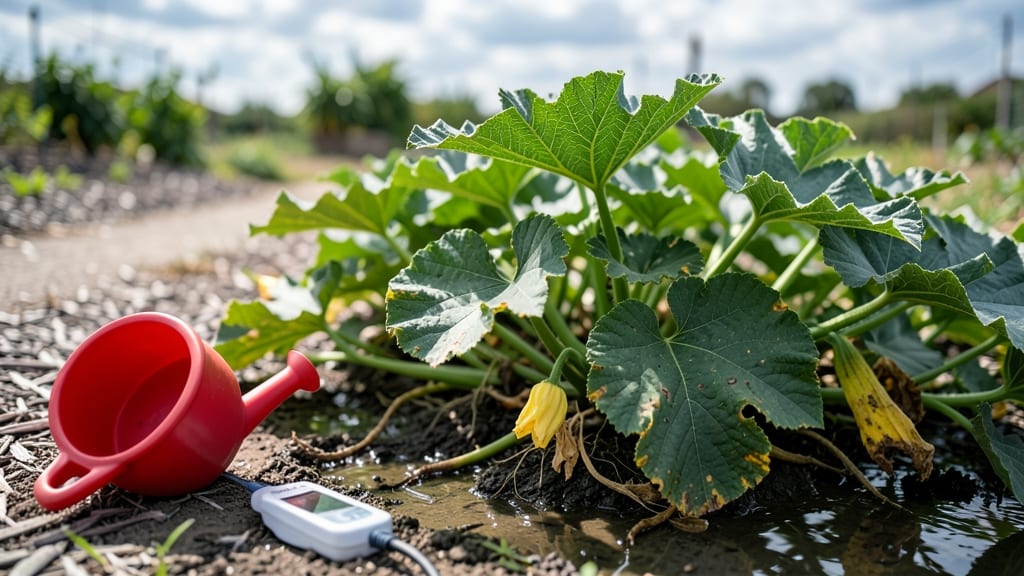
Your overwatered squash plants are drowning in soggy soil, and those yellowing leaves are a clear sign they need help—here’s how to save them. 🌱 The good news? This problem has a simple, three-step fix that works even for gardeners who’ve killed more plants than they’ve saved.
Overwatering squash isn’t just about wilting—it’s about root rot, fungal growth, and wasted energy that could be growing fruit instead of fighting for survival.
The first clue is obvious: leaves turn yellow, then mushy, while the soil stays damp for days. But the real damage happens below ground—roots suffocate, cutting off nutrients, and fungal spores thrive in that wet darkness.
I’ve seen squash plants go from lush to lifeless in a week if left unchecked. The fix starts with stopping water immediately and letting the soil dry out completely before touching it again.
Within 7-10 days, you’ll notice new green growth as roots recover. The key is adjusting your watering schedule—squash needs 1-2 inches per week, but only when the top inch of soil is dry.
A moisture meter or your finger (stick it in; if it’s damp, wait) becomes your new best friend. Mulch helps too, keeping moisture steady without drowning the roots.
Long-term, focus on well-draining soil with compost and sand mixes, and choose containers with drainage holes if gardening in pots. This isn’t just about saving your current plants—it’s about setting them up to thrive and produce heavy, disease-free squash all season. Let’s turn that yellow into green again.
Root Causes Of Excess Moisture
When your squash plants start looking sad with yellowing leaves, soggy soil, or even wilting despite water, the problem often traces back to how (or how much) you're watering. Understanding the why behind overwatering helps you avoid repeating the same mistakes.
Let’s break down the most common reasons your squash plants are getting too much water—and how to fix them.
Squash plants thrive in well-draining soil, but if your garden beds or containers lack proper drainage, excess water pools around the roots, suffocating them. Here’s why this happens:
- Compacted Soil: Heavy clay or tightly packed soil repels water instead of absorbing it, leading to surface runoff and waterlogging.
- No Drainage Holes: In pots or raised beds, missing drainage holes trap water, creating a swampy environment for roots.
- Improper Mulching: Too much organic mulch (like thick layers of wood chips) can block water from evaporating, keeping soil overly moist.
Actionable Fix: Test your soil’s drainage by digging a small hole, filling it with water, and timing how long it takes to drain. If it takes longer than 30 minutes, amend with perlite, coarse sand, or compost to improve aeration.
Squash plants (like zucchini, butternut, and pumpkins) are heavy drinkers, but their water needs shift with the seasons. Overwatering often stems from:
- Ignoring Weather Conditions: Watering on a rigid schedule (e.g., every morning) without checking soil moisture leads to excess water, especially after rain.
- Using the Wrong Method: Sprinklers or overhead watering can saturate leaves, increasing humidity and fungal risks while soaking the soil unnecessarily.
- Assuming "More = Better": Young squash plants need less water than mature, fruiting ones. Overwatering seedlings can drown their delicate roots.
Actionable Fix: Use the finger test: Stick your index finger 1–2 inches into the soil. If it’s damp, wait. If dry, water deeply but only until the top 6 inches are moist. Early morning is best to reduce evaporation.
Sometimes, overwatering isn’t your fault—it’s Mother Nature playing tricks. These external factors can turn your soil into a swamp:
- Heavy or Prolonged Rainfall: Squash plants in flood-prone areas or during monsoon seasons can’t handle sudden downpours, leading to waterlogged roots.
- High Humidity + Poor Airflow: Stagnant air traps moisture, slowing evaporation and keeping soil damp longer than usual.
- Shady or Low-Lying Spots: Areas with poor sunlight or natural depressions retain moisture longer, encouraging root rot.
Actionable Fix: If rain is inevitable, plant squash in raised beds or containers with drainage. Use drip irrigation on a timer to supplement only when needed, and avoid watering during forecasted storms.
Sometimes, the issue isn’t obvious. Hidden culprits like:
- Buried Trash or Debris: Old plastic sheets, rocks, or roots from previous plants can block drainage pathways.
- Improper Container Placement: Pots sitting in saucers or on impermeable surfaces (like concrete) trap excess water.
- Root-Bound Plants: Squash in small containers with circling roots can’t absorb water efficiently, leading to runoff.
Actionable Fix: Dig around the base of potted plants to check for blockages. If roots are circling, repot into a larger container with fresh, well-draining soil. For in-ground plants, loosen compacted soil with a garden fork.
Revive Your Squash Plants Now
Overwatering can feel like a slow-motion disaster for your squash plants, but the good news is that with the right steps, you can turn things around—fast. Below, we’ll tackle the most common causes of overwatering stress and provide practical, step-by-step fixes to save your plants before it’s too late.
Plus, we’ll share prevention tips to keep your squash thriving all season long.
If your squash plants are sitting in soggy soil, the first step is to stop the waterlogging immediately. Overwatered roots can’t breathe, leading to yellow leaves, wilting, and even rot.
What to do:
- 🌱 Pause Watering – Let the soil dry out for at least 2–3 days before watering again. This gives roots a chance to recover.
- 🔥 Improve Drainage – If your garden bed or containers don’t drain well, add sand, perlite, or compost to loosen the soil. For pots, drill drainage holes if missing.
- 👨🍳 Dig Deep (Gently) – Use a trowel to loosen compacted soil around the roots to help oxygen flow. Avoid damaging roots—just break up clumps.
- ⏰ Water Smartly – Once you resume watering, soak the soil deeply but infrequently. Aim for 1–1.5 inches per week (adjust for rain). Early morning is best to prevent fungal issues.
💡 Pro Tip: If your plants are in containers, lift the pot to check weight—if it’s constantly heavy, you’re overwatering. Lightweight pots signal it’s time to water.
Yellowing leaves + mushy stems or black spots? That’s a red flag for powdery mildew, downy mildew, or root rot. Fungal infections thrive in wet conditions, so act quickly.
What to do:
- 🍳 Prune the Problem – Snip off yellow, mushy, or spotted leaves with clean scissors. Dispose of them in the trash (not compost)—fungus spreads easily.
- 🔪 Treat with Fungicide – Spray plants with a copper-based fungicide or a baking soda mix (1 tsp baking soda + 1 quart water + a drop of dish soap). Reapply every 7–10 days if needed.
- 🌡️ Boost Airflow – Thin out nearby plants to improve circulation. Fungus loves humidity, so keep leaves dry.
- ✨ Prevent Future Outbreaks – Water at the base of the plant (not overhead) and avoid watering late in the day.
💡 Pro Tip: Neem oil is a natural fungicide—mix 1 tbsp neem oil + 1 tsp mild soap + 1 quart water and spray every 5–7 days as a preventative.
Overwatering leaches nutrients out of the soil, leaving your squash plants weak and yellow. Even if you’re fertilizing, soggy roots can’t absorb what they need.
What to do:
- 📊 Test Your Soil – Grab a soil test kit (or send a sample to your local extension office) to check pH and nutrient levels. Squash prefers 6.0–6.8 pH.
- 💪 Feed with the Right Stuff – Use a balanced fertilizer (like 10-10-10) or a compost tea to replenish nutrients. Avoid high-nitrogen fertilizers—they worsen fungal issues.
- 🥗 Mulch to Retain Moisture (Without Overdoing It) – Apply 2–3 inches of straw or shredded leaves to keep soil moist but not waterlogged. This also suppresses weeds and cools roots.
- 🍎 Boost with Micronutrients – If leaves are yellow between veins, your plants may need magnesium (Epsom salt). Mix 1 tbsp Epsom salt per gallon of water and spray foliage.
💡 Pro Tip: Fish emulsion is a great organic fertilizer—it’s packed with nitrogen, phosphorus, and micronutrients. Use it every 4–6 weeks for a nutrient boost.
Once your squash plants are back on track, keep them happy long-term with these habits:
✅ 🌱 Use the Finger Test – Stick your finger 1–2 inches into the soil. If it’s damp, wait.
If it’s dry, water deeply. ✅ 🔥 Choose the Right Containers – If growing in pots, terracotta or fabric pots dry out faster than plastic. ✅ 🌡️ Adjust for Weather – Hot, windy days? Water more frequently. Cool, cloudy days? Hold off. ✅ ✨ Monitor Leaf Color – Dark green = happy. Pale yellow = thirsty. Brown crispy = too much sun or underwatered.
Final Thought: Overwatering is a common mistake, but with these fixes, your squash plants will bounce back stronger than ever. Act fast, adjust your watering habits, and soon you’ll be harvesting plump, healthy squash! 🎉🍠
Frequently asked questions
How do I know if my squash plants are overwatered vs. underwatered?
Check the soil first—if it stays damp for more than 24 hours after watering, you're likely overwatering. Look for yellowing leaves, especially on older growth, and mushy stems. Underwatered plants have dry, crispy leaf edges and wilt during the day but recover at night. The key difference? Overwatered plants smell sour or rotten near the base.
Can I save my squash plants if the leaves are already yellow and mushy?
Yes, but act fast! First, stop watering immediately and let the soil dry out for 3-4 days. Prune away all yellow/mushy leaves (dispose of them, not compost) and improve airflow by spacing plants further apart. Apply a copper fungicide or neem oil spray to prevent fungal spread. With proper care, new green growth should appear within 7-10 days.
What's the best way to test if my soil drains properly?
Dig a 6-inch deep hole in the soil and fill it with water. Time how long it takes to drain completely. If it takes longer than 30 minutes, your soil drains poorly. Improve it by mixing in coarse sand, perlite, or compost. For containers, ensure they have drainage holes—water should flow freely within 15-20 minutes after watering.
Should I fertilize my squash plants after fixing overwatering issues?
Wait 1-2 weeks after recovering before fertilizing. Use a balanced organic fertilizer (like 5-5-5) or compost tea to replenish nutrients without risking root burn. Avoid high-nitrogen fertilizers—they encourage leafy growth but worsen fungal issues. Test soil pH first (6.0-6.8 is ideal) and adjust with lime or sulfur if needed.