
Plants
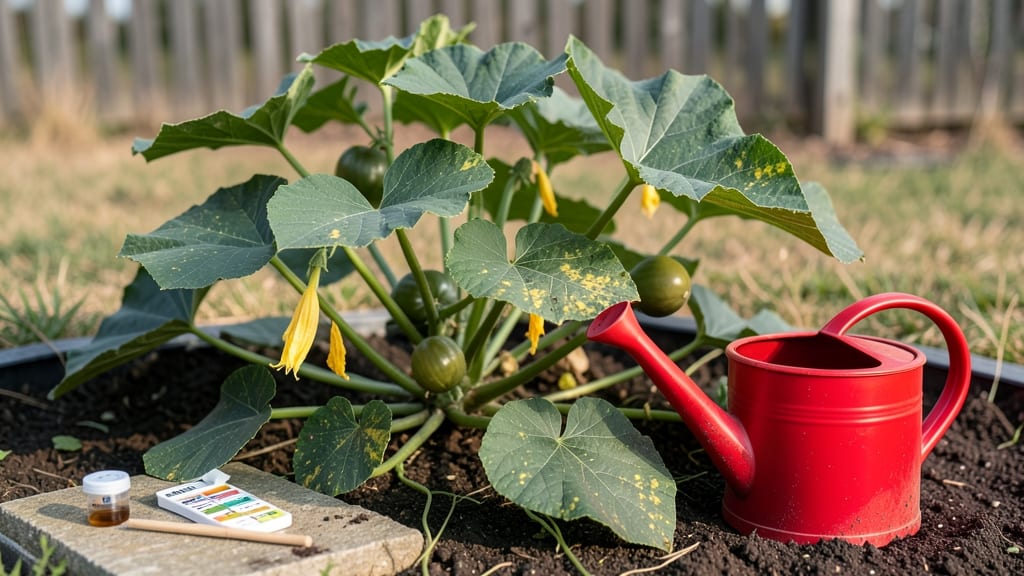
Your squash plant leaves turning yellow isn’t just a cosmetic issue—it’s a cry for help from your vines. 🌱 I’ve seen this happen after heavy rains, poor soil, or even sneaky pests hiding under the leaves, and the fixes are simpler than you’d think.
The key is spotting the pattern of yellowing (edges? veins? spots?) because that tells you exactly what’s wrong. Most gardeners overwater by accident, drowning roots and suffocating plants. Check the soil first—if it’s soggy, cut back to watering only when the top inch feels dry.
Nutrient deficiencies show up as pale, uniform yellowing, especially on older leaves, while pests like squash bugs leave jagged edges and sticky residue. The good news? Each problem has a targeted fix, and I’ll walk you through them step by step.
By the end, your plants will bounce back with vibrant green leaves and a bumper crop. You’ll learn to read your squash’s signals like a pro—no more guessing games or wasted harvests. And the best part? These fixes work for zucchini, pumpkins, and cucumbers too.
Let’s get those vines thriving again.
Here’s the thing—yellow leaves aren’t always a death sentence. Sometimes it’s just a sign your plants need a quick adjustment. Start with the soil: dig down an inch or two. If it smells like wet socks, you’re overwatering. If it’s bone-dry, you’ve gone too long between waterings.
Squash plants need 1-1.5 inches of water per week, but they hate soggy roots—think of it like a sponge, not a swamp. Then, inspect the undersides of leaves for pests.
Squash bugs and aphids love to hitch a ride on new growth, and their damage shows up as yellowed, curled, or speckled leaves. A strong spray of water or neem oil can knock them back before they become a full-blown invasion. And if the yellowing starts at the veins?
That’s often a magnesium deficiency—Epsom salt in the water fixes it fast.
Prevention is where the real magic happens. Mulch your squash plants with straw or grass clippings to keep moisture even and roots cool. Rotate crops yearly to starve off soil-borne diseases, and test your soil every few seasons—squash loves slightly acidic to neutral pH (6.0-7.0).
Once you catch the pattern, you’ll spot issues before they spread, and your plants will reward you with healthier vines and bigger harvests all season long.
Root Causes Behind Yellowing Squash Leaves
Yellowing leaves on your squash plants can be frustrating, but understanding the science behind it helps you take precise action. Below are the most common why it happens scenarios, explained clearly so you can diagnose and fix the issue before it spreads.
🌧️ Why it happens: Squash plants thrive in well-draining soil, and excess moisture triggers anaerobic conditions in the roots. When roots sit in soggy soil, they struggle to absorb oxygen, leading to root rot (Phytophthora or Pythium fungi) and nutrient starvation.
The plant responds by breaking down chlorophyll in older leaves first—turning them yellow before they may drop.
- Scientific breakdown:
- Root suffocation: Waterlogged soil displaces oxygen, forcing roots to rely on inefficient fermentation for energy (producing toxic ethanol as a byproduct).
- Nutrient lockout: Excess water leaches vital nutrients (like nitrogen) beyond the root zone, even if fertilizer is present.
- Fungal invasion: Fungi thrive in wet conditions, blocking water and nutrient uptake.
Actionable fix:
- Test soil moisture by sticking your finger 2 inches deep—water only if dry.
- Amend heavy clay soil with compost or perlite to improve drainage.
- Ensure pots or garden beds have drainage holes and elevate containers slightly.
🍃 Why it happens: Nitrogen is the building block of chlorophyll, and a deficiency forces the plant to recycle nutrients from older leaves first. Squash plants, especially fast-growing varieties, deplete soil nitrogen quickly, leading to interveinal chlorosis (yellowing between leaf veins).
- Scientific breakdown:
- Chlorophyll breakdown: Without enough nitrogen, the plant can’t produce porphyrin rings (a key chlorophyll component), causing yellowing.
- Stunted growth: New leaves may appear small and pale, while older leaves turn yellow and crispy.
- Secondary stress: Weakened plants are more susceptible to pests (like aphids) and diseases.
Actionable fix:
- Apply a balanced fertilizer (10-10-10 or 5-10-10) at planting and side-dress with compost or blood meal mid-season.
- Use liquid fish emulsion (high in nitrogen) for a quick boost.
- Avoid over-fertilizing with phosphorus/potassium-heavy mixes, which can worsen the imbalance.
🦠 Why it happens: Pathogens like powdery mildew (Erysiphe cichoracearum), downy mildew (Pseudoperonospora cubensis), or bacterial leaf spot (Xanthomonas) thrive in humid conditions, clogging stomata (leaf pores) and disrupting photosynthesis. Infected leaves often yellow, develop spots, or wilt prematurely.
- Scientific breakdown:
- Stomatal blockage: Fungal hyphae or bacterial slime obstruct gas exchange, reducing CO₂ intake.
- Toxin production: Pathogens release phytohormones (like ethylene) that accelerate leaf senescence (aging).
- Nutrient theft: Some fungi (e.g., Alternaria) absorb nutrients directly from the plant, starving leaves.
Actionable fix:
- Prevent spread: Remove infected leaves immediately and dispose of them in the trash (not compost).
- Improve airflow: Space plants 3–4 feet apart and prune vines to reduce humidity.
- Fungicide use: Spray with neem oil (preventative) or copper-based fungicide (for active infections). For bacterial issues, use copper soap or bacterial spray.
- Sanitize tools: Sterilize pruners with rubbing alcohol between plants.
🐜 Why it happens: Pests like aphids, squash bugs, or spider mites pierce leaves to feed on phloem sap, disrupting the plant’s vascular system. Their saliva contains toxins that trigger chlorosis (yellowing) and necrosis (dead tissue). Heavy infestations weaken the plant’s ability to transport nutrients.
- Scientific breakdown:
- Phloem disruption: Sap-suckers block sieve tubes, halting sugar and nutrient flow to leaves.
- Toxin injection: Aphid saliva contains proteins that mimic plant hormones, accelerating leaf drop.
- Secondary infections: Damaged leaves are entry points for fungal/bacterial pathogens.
Actionable fix:
- Manual removal: Blast off aphids with a strong spray of water or crush squash bugs by hand.
- Natural predators: Introduce ladybugs or lacewings to control pests organically.
- Soap spray: Use insecticidal soap (1 tsp mild soap + 1 quart water) on undersides of leaves.
- Row covers: Use floating row covers early in the season to block pests before they infest.
❄️🔥 Why it happens: Squash plants are sensitive to temperature extremes. Sudden heatwaves (above 90°F/32°C) or cold snaps (below 50°F/10°C) disrupt enzyme activity in leaves, halting chlorophyll production. Older leaves yellow first as the plant conserves energy for survival.
- Scientific breakdown:
- Heat stress: High temperatures denature RuBisCO enzymes (critical for photosynthesis), causing oxidative stress and leaf burn.
- Cold damage: Chilly nights slow electron transport chains in chloroplasts, leading to chlorophyll degradation.
- Transpiration imbalance: Extreme heat or wind increases water loss, mimicking drought stress.
Actionable fix:
- Shade cloth: Use 30–50% shade cloth during heatwaves to reduce leaf scorch.
- Mulch deeply: Apply straw or black plastic mulch to regulate soil temperature.
- Water deeply: Increase watering frequency during heatwaves (but avoid wet foliage to prevent fungal issues).
- Choose heat-tolerant varieties: Try ‘Early Prolific Straightneck’ or ‘Caserta’ squash for better resilience.
Pro Tip: 💡 Diagnose like a pro: Check the pattern of yellowing:
- Uniform yellow? → Likely nutrient deficiency or overwatering.
- Yellow with brown spots? → Fungal/bacterial infection.
- Yellow + sticky residue? → Sap-sucking pests.
- Yellow + crispy edges? → Underwatering or heat stress.
Revive Your Squash Plant Now
Yellowing leaves on your squash plant don’t have to spell disaster—with the right fixes, you can nurse your plant back to health and even prevent future issues. Below, we’ve mapped out practical, step-by-step solutions for each common cause, plus pro tips to keep your squash thriving. Let’s get growing!
Fix it fast:
- Stop watering immediately—let the soil dry out completely for 2–3 days. 🌱
- Check drainage: If your pot lacks holes or the soil stays soggy, repot your squash into a container with drainage holes or a raised bed.
- Adjust your routine: Water only when the top 1–2 inches of soil are dry (stick your finger in to test!). Early morning is best to prevent fungal issues.
- Improve airflow: Thin out crowded plants or prune excess foliage to reduce humidity around the base.
Prevention tips:
- ⚠️ Mulch wisely: Use straw or shredded leaves to retain just enough moisture—don’t smother the roots.
- 🌡️ Monitor weather: Skip watering if rain is forecasted for the next 24 hours.
Fix it fast:
- Water deeply—aim for 1–1.5 inches of water per week (more in extreme heat). Use a soaker hose or water at the base to avoid wetting leaves.
- Mulch heavily: Spread 3–4 inches of organic mulch (like grass clippings or wood chips) to lock in moisture.
- Move to shade if temperatures exceed 90°F (32°C). A shade cloth (30–50%) can save your plant from wilting.
Prevention tips:
- 💡 Group plants: Cluster squash with other water-loving veggies (like cucumbers) to create a microclimate.
- ⏰ Water early: Morning watering reduces evaporation and gives roots time to absorb moisture.
Fix it fast:
- Move indoors or to a greenhouse if nights drop below 50°F (10°C) or days exceed 95°F (35°C).
- Use row covers for early-season protection or shade cloth in peak summer.
- Avoid cold drafts—keep plants away from AC vents, windows, or windy spots.
Prevention tips:
- 🌱 Choose the right variety: Heat-tolerant squash like ‘Early Prolific Straightneck’ or ‘Butternut Waltham’ handle extremes better.
- 🎯 Plant timing: Start seeds after the last frost and harvest before the first frost hits.
Fix it fast:
- Prune infected leaves with sterilized scissors (dip in rubbing alcohol) and remove them from the garden (don’t compost!).
- Spray with a fungicide:
- Baking soda mix: 1 tsp baking soda + 1 quart water + a drop of dish soap. Spray every 7–10 days. 🧼
- Neem oil: 1 tbsp neem oil + 1 tsp mild soap per quart of water. Apply at dusk to avoid burning leaves.
- Improve airflow: Space plants 3–4 feet apart and stake vines to keep them off damp soil.
Prevention tips:
- ✨ Rotate crops: Avoid planting squash in the same spot for 3+ years to break fungal cycles.
- 🌡️ Water at the base—never overhead—to keep leaves dry.
Fix it fast:
- Handpick pests (like squash bugs or aphids) early in the morning when they’re sluggish. Drop them in soapy water. 🕷️
- Spray with insecticidal soap (1 tsp mild soap per quart of water) or neem oil for heavy infestations.
- Introduce beneficial insects: Ladybugs and lacewings devour squash bugs—buy them online or attract them with dill or fennel nearby.
Prevention tips:
- 💡 Row covers: Use floating row covers at planting to block pests until flowers appear (then remove to allow pollination).
- 🌱 Interplant with herbs: Basil, marigolds, or nasturtiums repel squash bugs naturally.
Fix it fast:
- Test your soil: Use a DIY kit or send a sample to a local extension office. Squash love pH 6.0–6.8.
- Add compost or aged manure (1–2 inches mixed into the top 6 inches of soil).
- Fertilize lightly: - For nitrogen deficiency (yellow lower leaves): Use a balanced fertilizer (10-10-10) or fish emulsion. - For magnesium deficiency (yellow patches between veins): Sprinkle Epsom salt (1 tbsp per gallon of water) monthly.
Prevention tips:
- 📊 Side-dress: Mix compost or worm castings into the soil around the base every 3–4 weeks.
- 🥗 Avoid over-fertilizing: Too much nitrogen = leafy growth but no fruit—stick to half-strength fertilizer if in doubt.
Final Pro Tip: 🌿 Observe daily! Yellowing leaves often start as a small sign—catch it early, and your squash plant will bounce back faster. Happy growing!
Frequently asked questions about yellowing squash leaves
Why are my squash plant’s older leaves turning yellow first?
This is completely normal! Squash plants prioritize nutrient flow to new growth, so older leaves yellow as a survival tactic. If the yellowing is uniform and pale, it’s likely a nutrient deficiency (like nitrogen). Check soil moisture too—overwatering can also cause this pattern by suffocating roots.
Can I still harvest fruit from a squash plant with yellow leaves?
Yes, but focus on healthy vines first! If only a few leaves yellow and the plant still has energy, it can continue producing. Remove severely damaged leaves to redirect nutrients. Avoid harvesting when the plant is under heat stress or disease pressure, as this weakens it further.
What’s the difference between yellow leaves from overwatering vs. underwatering?
Overwatered leaves feel soggy and may have mushy stems, while underwatered leaves turn crispy at the edges and feel dry to the touch. Check soil moisture—if it’s damp 2+ inches deep, you’re overwatering. If bone-dry, increase watering gradually.
Will Epsom salt fix all types of yellowing in squash?
No—Epsom salt (magnesium sulfate) only helps with magnesium deficiency, which shows as yellow patches between leaf veins. For other issues, it won’t work. Test your soil first! If leaves yellow uniformly or have brown spots, the problem is likely nitrogen, water, or disease-related.
How long does it take for squash leaves to recover after fixing the problem?
Recovery time varies! With proper care, new leaves should appear within 1–2 weeks. If the plant is severely stressed (e.g., root rot), it may take 3–4 weeks or longer. Prune damaged foliage to help the plant focus energy on healthy growth—never remove more than 25% of leaves at once.