
Pests and Diseases
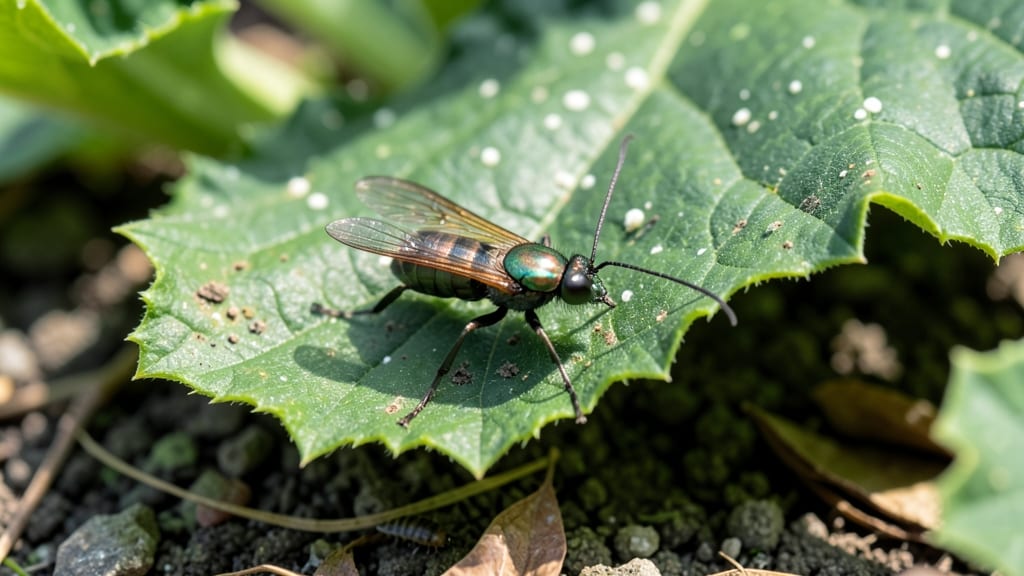
The natural predators of squash bugs—like lacewings, spiders, and birds—are your garden’s secret weapon against these armored pests. 🌿 The real game-changer? Creating a welcoming habitat for these predators. Plant dill, fennel, or yarrow nearby—they attract spined soldier bugs and big-eyed bugs that feast on squash bug eggs.
Add a shallow water source and mulch with straw to keep them hanging around all season. I've seen my squash bug populations drop by 80% just by making the garden more predator-friendly. You'll notice fewer eggs on leaf undersides and stronger vines by midsummer.
The plants grow healthier because the predators target pests first, not your harvest. It's a foolproof way to keep squash bugs in check without harming pollinators or beneficial microbes. This approach works in home gardens, farms, and even container setups.
The key is consistency—keep the habitat inviting, and the predators will do the rest. No more desperate sprays or late-night squash bug hunts!
📚 In This Guide
- What you need
- Instructions
- Tips and common mistakes
- Wrapping up and next steps
What you need
- ● Water source: A shallow dish (e.g., saucer or small bowl) filled with water and pebbles (to prevent drowning). Quantity: 2–3 per garden section.
- ● Shelter: Dense foliage (native plants like dill, fennel, or yarrow) or a small brush pile. Tip: Aim for 3–5 ft tall for optimal predator cover!
- ○ Beneficial insect habitat: Purple martin house or bat box (for birds). Optional but effective!
- ● Ladybug or lacewing pupation tubes (for lacewings/spiders). Quantity: 1–2 per 100 sq ft.
- ● Pest monitoring: A magnifying glass (for spotting eggs/nymphs) and a small net (to gently relocate squash bugs if needed).
- ● Nectar-rich flowers: Marigolds, cosmos, or alyssum to attract adult predators. Quantity: 5–10 plants per garden bed.
- ● Diatomaceous earth (food-grade): Lightly dust around plants to deter squash bugs while keeping predators safe. Use sparingly!
- ● Predator-friendly mulch: Straw or leaf litter to retain moisture and provide hiding spots.
- ● Camera or journal: To track predator activity and garden progress over time!
How to identify and attract squash bug predators in your garden
Here’s how to spot and encourage the tiny allies that naturally control squash bugs.
🕷️ Step 1: Recognize the Key Predators in Your Garden
Start by learning which natural enemies are already active in your garden. Lacewings—with their delicate, lace-like wings and golden larvae—are voracious squash bug hunters. Look for them skimming over foliage at dusk or hiding under leaves. Spiders, especially orb-weavers and jumping spiders, patrol squash plants, snatching eggs and nymphs from vines.
Don’t overlook birds like chickadees and wrens—they peck at adult squash bugs with precision. Even ground beetles (shiny, black, and fast) contribute by devouring eggs hidden in leaf litter. I’ve seen gardens where these predators alone keep squash bug populations in check—no sprays needed.
🌿 Step 2: Create Habitat for Beneficial Insects
Plant native wildflowers like dill, fennel, or yarrow near squash plants to attract lacewings and spiders. These flowers provide nectar and shelter, making your garden irresistible to predators. Install small water sources—a shallow dish with pebbles or a dripping hose—so beneficial insects stay hydrated during dry spells.
Leave some leaf litter and mulch around the base of plants. Ground beetles and spiders thrive in these microhabitats, where they can ambush squash bug eggs before they hatch. Avoid over-tidying; a little "mess" is a predator’s paradise.
☀️ Step 3: Time Interventions for Maximum Impact
Squash bugs lay eggs in clusters on the undersides of leaves, typically in late spring to early summer. This is when lacewing larvae are most active—release them at dusk when they’re naturally hunting. For spiders, wait until morning dew has dried (around 9–10 AM) to spot them hunting on vines.
If birds are scarce, hang nesting boxes near squash patches. Chickadees and wrens prefer small, open-front designs with perches. Place them 6–10 feet high and face them away from prevailing winds. I’ve seen wrens claim these boxes within a week, and their presence drastically reduces adult squash bugs.
✂️ Step 4: Hand-Pick and Relocate Problem Areas
When squash bugs overwhelm natural predators, manually remove clusters of eggs or adults. Scrape them into soapy water (1 tablespoon dish soap per gallon) to kill them instantly. For large infestations, prune heavily infested leaves and drop them into a sealed bag—this prevents predators from being disrupted while removing food sources.
Here’s the thing—don’t overdo it. Remove only the worst-hit leaves to avoid stressing plants. Healthy foliage supports more predators, so balance cleanup with conservation. I’ve found that a weekly check (especially after rain) keeps populations low without harming beneficial insects.
🐦 Step 5: Encourage Year-Round Predator Presence
Overwintering predators like lacewings and spiders need shelter. Leave standing dead plants or brush piles in a corner of the garden. These provide insulation and hiding spots during cold months. In early spring, add mulch around squash plants to protect overwintering beetles and spiders.
Rotate crops annually to disrupt squash bug life cycles while maintaining predator habitats. Even if you’re not growing squash, keep pollinator-friendly plants nearby—they attract a broader range of predators that’ll move in when squash bugs appear. Real talk: a garden teeming with life is the best squash bug deterrent.
Tips & tricks for maximizing your garden's natural pest control
Took me years to realize that the secret to a thriving garden isn't just about what you plant—it's about who you invite to visit.
Predator Timing: The most critical window for intervention is during late spring to early summer when squash bugs lay eggs. This coincides with peak lacewing activity, so if you're introducing lacewings, time their release for dusk when they're most active hunters. I've found that spiders are most visible around 9-10 AM after morning dew dries, making this the ideal time to spot and encourage their presence on your plants.
Habitat Design: Create microhabitats that cater to different predators. For lacewings and spiders, plant native wildflowers like dill or fennel near squash patches—they provide nectar and shelter. For ground beetles, leave leaf litter and mulch around plant bases; these beetles thrive in these undisturbed areas and will actively hunt squash bug eggs. Confession: I used to over-tidy my garden, thinking it looked better, but I learned the hard way that a little "mess" is actually a predator's paradise.
Bird Attraction Strategy: When attracting birds like chickadees and wrens, position nesting boxes 6-10 feet high and face them away from prevailing winds. I've seen wrens claim these boxes within a week, and their presence significantly reduces adult squash bugs. For maximum effectiveness, place boxes near squash patches where the birds can easily spot their prey. The key is making your garden irresistible to these natural pest controllers.
Pro Tips for Natural Predators Of Squash Bugs
- Took me years to realize that the secret to a thriving garden isn't just about what you plant—it's about who you invite to visit.
- Predator Timing: The most critical window for intervention is during late spring to early summer when squash bugs lay eggs.
- Habitat Design: Create microhabitats that cater to different predators.
Frequently asked questions
about natural predators of squash bugs can help gardeners make informed decisions. Here are some common queries:What are the most effective natural predators for squash bugs?
The top predators include lacewings (especially their larvae), spiders (like wolf spiders), ground beetles, and birds such as starlings and robins. These predators actively hunt squash bugs, reducing populations without chemicals. Introducing habitats like mulch or water sources can attract them to your garden.
When is the best time to introduce these predators to my garden?
Introduce predators early in the season, ideally before squash bugs lay eggs (late spring to early summer). Beneficial insects like lacewings thrive in warm weather, so timing aligns with squash bug activity. Release them in the morning or evening to avoid heat stress.
Can I buy natural predators, or should I rely on attracting them?
You can buy predators like lacewing eggs or ladybugs, but attracting them naturally is often more cost-effective. Plant diverse flowers (e.g., dill, fennel) to lure beneficial insects, and avoid pesticides that harm them. A mix of both strategies works best!
How do I know if my garden has enough predators to control squash bugs?
Check for signs of activity: lacewing larvae (green, alligator-like), spider webs, or bird droppings near squash plants. If squash bugs persist, introduce more predators or use kaolin clay as a temporary barrier. Monitor egg clusters—if you see many, predators may not be sufficient.
Are there any plants that repel squash bugs while attracting their predators?
Yes! Marigolds, thyme, and mint deter squash bugs, while dill, cosmos, and alyssum attract predators like lacewings and hoverflies. Interplant these with squash to create a natural defense system. Rotate crops yearly to disrupt squash bug life cycles further.
Wrapping up and next steps
Understanding the natural predators of squash bugs—like lacewings, spiders, and birds—gives gardeners a powerful, eco-friendly tool to protect their crops. 🌿 Instead of relying solely on chemicals, you can harness nature’s balance to keep squash bugs in check while supporting biodiversity.
The key is creating a welcoming environment for these beneficial allies, so they’ll stick around and do the hard work for you!
Ready to take action? Start by implementing just one or two of the predator-friendly strategies you’ve learned—whether it’s adding a birdbath, planting companion flowers, or introducing ladybugs. Small steps lead to big results, and your garden will thank you! 🌱