
Neem Oil
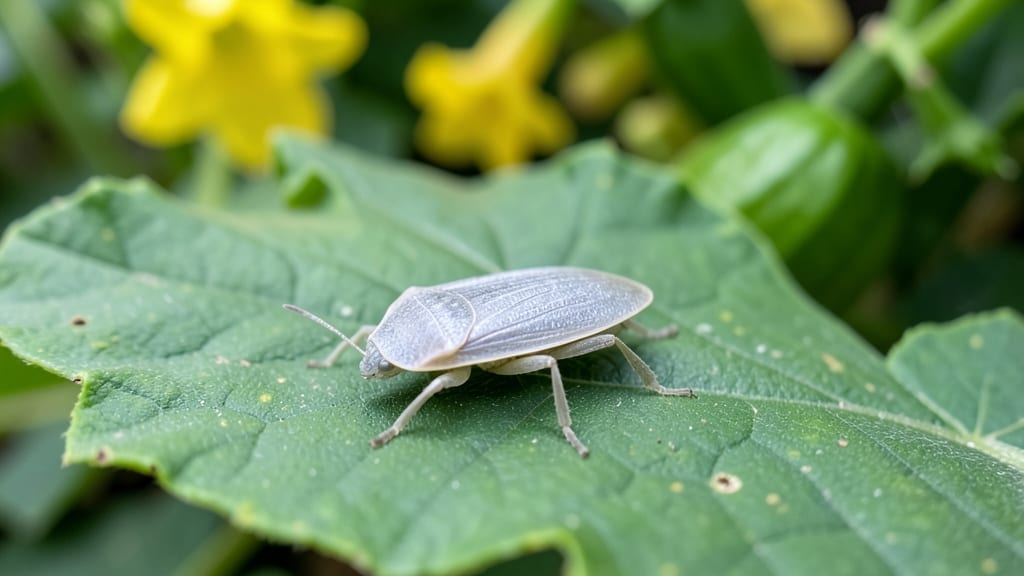
Neem oil for squash bug eggs is your secret weapon when those tiny yellow specks start appearing on your zucchini leaves. 🌱 I’ve watched entire squash plants get stripped bare by these pests—until I discovered how a simple neem oil spray could stop them in their tracks.
The key? Timing and technique matter more than you’d think.
Here’s the game-changer: squash bugs lay eggs in clusters, and neem oil doesn’t just repel adults—it smothers those eggs before they hatch. A 1% neem oil solution applied in the evening (when bees aren’t active) coats the eggs, cutting off their oxygen supply.
You’ll see results within 3-5 days if done right.
What you’ll end up with is a garden where squash bugs give up entirely. Your plants stay lush, your harvests stay plump, and you avoid the heartbreak of seeing vines collapse from feeding damage. The best part? This method works alongside other organic controls like row covers and beneficial nematodes.
Fair warning: neem oil can sting tender new growth, so always test on a small leaf first. And if rain’s in the forecast, reapply after 24 hours. The payoff—zero squash bugs—is worth the extra step.
Root Causes of Squash Bug Eggs
Squash bugs (Anasa tristis) are relentless pests that can devastate your cucurbits—think squash, pumpkins, and zucchini—by laying tiny, yellow eggs in clusters on the undersides of leaves. Understanding why these eggs appear in your garden is the first step to stopping them before they hatch into hungry nymphs.
Here’s a breakdown of the key factors that make your plants a prime target.
Squash bugs thrive where plants are stressed or genetically vulnerable. Here’s why weak resistance opens the door:
- Nutrient Deficiencies 📊 Plants lacking essential nutrients (like nitrogen, potassium, or magnesium) produce softer, more palatable leaves. Squash bugs detect these deficiencies through volatile organic compounds (VOCs) emitted by stressed plants. A quick soil test can reveal imbalances—amend with compost or organic fertilizers to harden plants.
- Water Stress 💧 Overwatering or drought weakens plants, making them easier targets. Squash bugs prefer plants with high moisture content in leaves, which they use to lay eggs. Maintain consistent moisture (1–2 inches of water per week) and improve drainage to reduce attractiveness.
- Young or Damaged Plants 🌿 Newly transplanted seedlings or plants recovering from disease/pest damage are ideal egg-laying sites. Squash bugs exploit tender growth areas where eggs can attach easily. Use row covers for young plants and rotate crops annually to disrupt their life cycle.
Squash bugs don’t randomly choose plants—they seek environments that mimic their natural habitat. These factors create a "perfect storm" for infestations:
- Warm, Humid Microclimates 🌡️ Eggs hatch best in temperatures between 75–85°F (24–29°C) with high humidity. Mulched beds or dense foliage trap heat and moisture, speeding up egg development. Thin vines for airflow and avoid over-mulching near stems.
- Cucurbit Monocultures 🌻 Planting the same family (squash, cucumbers, melons) year after year signals squash bugs: "All-you-can-eat buffet here!" They overwinter in garden debris or nearby weeds, then migrate to familiar crops. Interplant with marigolds, basil, or nasturtiums to confuse them.
- Weedy Borders 🌿 Squash bugs lay eggs on wild cucumbers, morning glories, or smartweed—weeds that act as "scout plants." They test these before moving to your prized squash. Keep borders weed-free, especially near garden edges.
Squash bugs are opportunistic, but their behavior is driven by specific ecological cues:
- Previous Year’s Eggs 🥚 Female squash bugs can lay up to 500 eggs in a season, often in batches. If eggs overwintered in leaf litter or plant debris, they’ll hatch early in spring, giving the population a head start. Rake and remove debris in fall to break the cycle.
- Pheromone Trails 🧭 Once a few bugs find a host plant, they release pheromones to attract mates and siblings. This creates a positive feedback loop, leading to rapid infestations. Early intervention (like neem oil) disrupts communication before it escalates.
- Lack of Natural Predators 🐛 Birds, spiders, and parasitic wasps (Trissolcus spp.) prey on squash bug eggs, but chemical pesticides wipe them out. Organic gardens with diverse ecosystems stay resilient. Introduce beneficial nematodes or ladybugs to restore balance.
Pro Tip: 💡 Squash bugs target plants with smooth, hairless leaves—choose varieties like ‘Tasty Green’ zucchini or ‘Warty’ gourds, which have rougher surfaces that deter egg-laying.
Natural Ways to Eliminate Squash Bug Eggs
Squash bugs are a persistent nuisance for gardeners, but with the right approach, you can smother their lifecycle—starting with their eggs. Since neem oil is a powerful organic tool, let’s break down practical, step-by-step solutions to tackle infestations at their source.
Squash bug eggs are tiny, yellowish, and clustered on the undersides of leaves or stems. Act fast—scraping them off prevents hatching.
- 👨🍳 Inspect leaves daily (especially in warm, humid conditions).
- 🔪 Use a stiff brush or fingernail to scrape eggs into soapy water (1 tsp dish soap per gallon).
- 🌡️ Repeat every 2–3 days—new egg masses appear quickly!
💡 Pro Tip: Focus on lower leaves and leaf axils (where stems meet leaves)—these are prime egg-laying spots.
Neem oil disrupts egg viability and deters adults from laying more. For best results:
| Step | How-To |
|---|---|
| 🌿 Mix neem oil | 1 tbsp neem oil + 1 tsp mild soap + 1 quart water. Shake well. |
| 🌧️ Spray thoroughly | Cover all leaf surfaces, stems, and soil around plants. |
| ⏰ Time it right | Apply early morning or late evening (avoid direct sun to prevent leaf burn). |
| 🔄 Reapply weekly | Eggs hatch in 5–10 days; consistency is key. |
✨ Bonus: Add kaolin clay (1 tbsp per gallon) to create a physical barrier—bugs avoid sticky surfaces!
Healthy plants fight off pests better. Boost your squash’s defenses with:
- 💪 Water deeply but less often (prevents fungal issues that attract bugs).
- 🍎 Use row covers (fine mesh) to block adults before they lay eggs.
- 🌱 Interplant with herbs like basil or marigolds—their scents repel squash bugs.
- 🌱 Rotate crops—squash bugs target the same family (cucumbers, pumpkins).
- 🧹 Clean up debris—fallen leaves harbor overwintering adults.
- 🐛 Introduce predators like spined soldier bugs (they eat squash bug eggs!).
Final Thought: Neem oil + diligence = fewer eggs, fewer bugs. Start today—your squash (and sanity) will thank you! 🎉
Frequently asked questions
How soon will I see results after using neem oil on squash bug eggs?
You should notice a difference within 3-5 days if applied correctly. Neem oil works by coating the eggs, cutting off their oxygen supply and preventing hatching. For best results, apply in the evening when bees aren't active and reapply weekly until no new eggs appear.
Can I use neem oil if I have beneficial insects like ladybugs or bees in my garden?
Yes, but with caution. Neem oil is least harmful to bees when applied in the evening or when they're not actively foraging. Avoid spraying flowers directly and focus on leaf surfaces where squash bugs lay eggs. Beneficial insects like ladybugs are more resilient but may be temporarily repelled—reintroduce them after treatment.
What's the best ratio for mixing neem oil for squash bug eggs?
Use a 1% neem oil solution: mix 1 tablespoon neem oil with 1 teaspoon mild soap (like Castile soap) and 1 quart of water. The soap helps the oil adhere to leaves. Shake well before each use and apply thoroughly to all leaf surfaces, especially undersides where eggs cluster.
Will neem oil kill adult squash bugs, or just their eggs?
Neem oil affects both stages but works differently: it smothers eggs by coating them and disrupts adults' feeding and reproduction. However, for maximum effectiveness, combine neem oil with physical removal of adults (drop them in soapy water) and weekly reapplication to break their lifecycle completely.
What should I do if it rains after applying neem oil?
Rain will wash away the neem oil, so reapply within 24 hours if possible. To prevent this, apply neem oil in the late afternoon or evening when rain isn't forecasted. The oil needs time to dry and form a protective barrier on the eggs before rain can dilute its effectiveness.