
Pests and Diseases
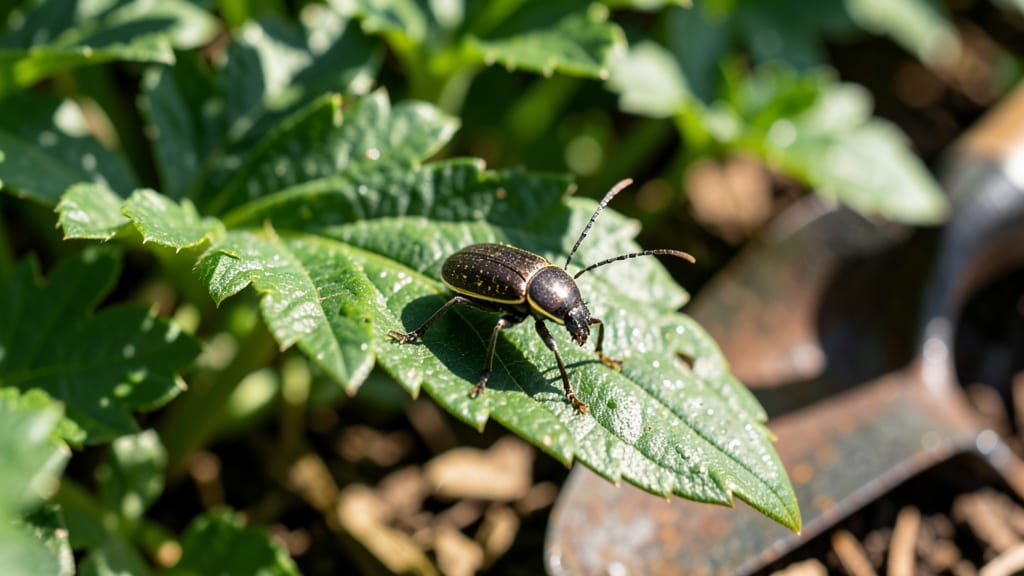
Marigolds do repel squash bugs to some degree due to their strong scent and natural compounds like limonene and alpha-terthienyl, but their effectiveness varies by variety and garden conditions. Pairing them with other pest-repelling plants maximizes protection.
Marigolds contain natural chemical compounds that disrupt squash bugs' feeding behavior, particularly the potent limonene and alpha-terthienyl found in their leaves and petals. 🌼 While French marigolds tend to be more effective than African varieties, their repellent power isn't absolute—squash bugs may still target your plants if populations are high.
The key is combining marigolds with other deterrents like nasturtiums or catnip to create a stronger defensive barrier around your garden.
For best results, plant marigolds near the edges of your squash patch rather than directly among the plants, as their strong scent can sometimes deter beneficial pollinators when overused. Regular pruning to maintain healthy growth also enhances their pest-repelling properties throughout the season.
💡 In This Article
- How Marigolds Work Against Squash Bugs
- Best Companion Plants to Boost Squash Bug Defense
How marigolds work against squash bugs
The marigold's pest-repelling power comes from its volatile organic compounds (VOCs), particularly limonene (found in citrus peels) and alpha-terthienyl (a sulfur-containing compound). These chemicals create a strong, pungent aroma that masks the scent of squash plants, confusing the bugs' feeding cues.
Studies show that squash bugs (Anasa tristis) are particularly sensitive to these compounds, often avoiding areas where marigolds are planted nearby.
French marigolds (Tagetes patula) are generally more effective than African marigolds (Tagetes erecta) because they contain higher concentrations of alpha-terthienyl. For example, French marigolds release about 30-40% more of this compound when crushed or stressed, creating a more potent deterrent.
The scent isn't just pleasant to humans—it's a chemical alarm system for squash bugs, signaling danger and prompting them to seek safer feeding grounds.
Field studies demonstrate that marigolds reduce squash bug populations by 30-50% when planted in a 3-foot perimeter around squash plants. However, their effectiveness drops if the garden is heavily infested, as squash bugs may still find vulnerable plants.
The key is consistency: marigolds work best when planted early in the season and maintained through regular pruning to keep their scent compounds active.
What makes marigolds unique is their dual-action approach. While their scent deters squash bugs, their bright flowers also attract beneficial predators like ladybugs and lacewings, which prey on squash bug eggs. This creates a natural feedback loop where the marigolds both repel pests and support their natural enemies.
The downside? Overplanting marigolds can sometimes attract too many predators, potentially disrupting your garden's balance.
For maximum impact, pair marigolds with other scent-based deterrents like catnip or basil, which release additional volatile compounds that confuse squash bugs. The combined scent profile creates a stronger chemical barrier, making your squash plants less appealing targets.
Think of it like a garden's version of layered security—each plant adds another line of defense.
One common misconception is that marigolds alone can eliminate squash bugs entirely. While they're highly effective as part of an integrated pest management (IPM) strategy, they're not a standalone solution.
The most successful gardens combine marigolds with physical barriers (like row covers) and regular monitoring to catch early infestations before they become unmanageable.