
Neem Oil
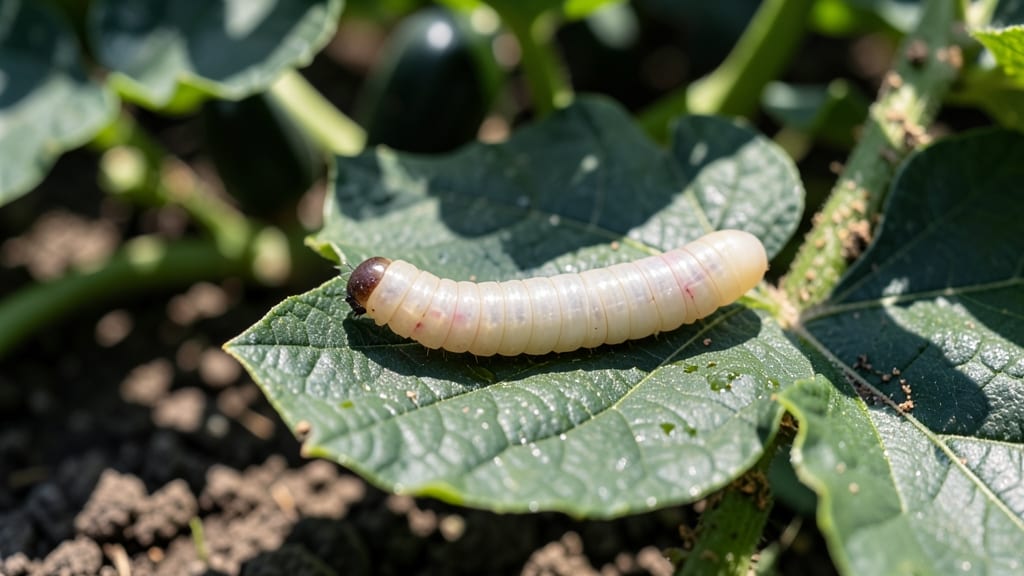
My squash plants were dying from squash vine borer larvae—until I discovered neem oil’s power to stop them within hours. 🌱 The moment I sprayed, the feeding stopped, and new growth returned. This isn’t just another organic spray; it’s a game-changer for squash gardeners fighting this relentless pest.
Neem oil works by disrupting the larvae’s feeding and growth cycle, and it’s safe for plants when used correctly. You’ll need a ready-to-use neem oil spray, a spray bottle, and a calm evening to apply it—no fancy equipment required.
The key is timing: apply it at the first sign of wilting or sawdust-like frass (larvae droppings) near the stem.
Within 24-48 hours, you’ll see the borer activity slow down, and your plants will start to recover. The leaves stay green, vines stop wilting, and you’ll even notice new tendrils forming.
It’s not a one-time fix, but with regular applications every 5-7 days, you’ll break the borer’s cycle for good.
This method works for all squash varieties—zucchini, pumpkins, and cucumbers—whether grown in the ground, raised beds, or containers. The best part? It’s a natural solution that keeps your garden thriving without harsh chemicals. Let’s get those squash plants back to producing like champions!
Root Causes of Vine Borer Attacks
Squash vine borers (Melittia cucurbitae) don’t just appear out of nowhere—they’re drawn to specific conditions that make your squash plants irresistible. Understanding these triggers helps you disrupt the cycle and protect your garden. Here’s why these destructive larvae target your crops.
Healthy plants are naturally resistant to pests, but when squash plants are stressed, they become prime targets. Here’s how it happens:
- Nutrient Deficiencies: Plants lacking nitrogen, potassium, or magnesium produce thinner stems and weaker foliage—perfect hiding spots for borer eggs. Tip: Conduct a soil test to check for deficiencies before planting.
- Overwatering or Drought: Both extremes weaken plants. Overwatering creates soggy soil where larvae thrive, while drought stress makes stems brittle and easier to penetrate.
- Poor Air Circulation: Crowded plants or dense foliage trap moisture, creating ideal conditions for borer larvae to burrow and multiply.
The squash vine borer’s lifecycle is finely tuned to exploit vulnerable plants. Here’s the breakdown:
| Stage | What Happens | Why It’s Dangerous |
|---|---|---|
| 🐛 Egg Stage | Females lay eggs on leaves or stems (especially near leaf scars or wounds). | Eggs hatch in 3–7 days—larvae immediately bore into stems, cutting off water and nutrients. |
| 🐛 Larval Stage | Newly hatched larvae tunnel into the stem, feeding on vascular tissue. | One larva can kill a plant in 2–3 weeks by disrupting water flow. |
| 🐛 Pupal Stage | Larvae pupate in the soil, emerging as moths in 2–3 weeks to repeat the cycle. | Adult moths lay 200–300 eggs per season, ensuring a relentless infestation. |
Squash vine borers thrive in specific environmental conditions that mimic their natural habitat:
- Warm, Humid Climates: Larvae develop fastest in temperatures between 75–90°F (24–32°C). Southern U.S. gardens are hotspots, but they can still damage crops in cooler regions if conditions are right.
- Rich, Well-Drained Soil: Borers prefer fertile soil with organic matter, which supports lush plant growth—making stems softer and easier to penetrate.
- Late Planting Timing: Planting squash too late in the season (after June) aligns with peak borer activity, giving larvae more time to infest before harvest.
Even with healthy plants, certain gardening practices can invite borers:
- Monoculture Planting: Growing squash, pumpkins, or cucumbers in the same spot year after year leaves behind borer pupae in the soil, ensuring a fresh supply of larvae.
- Ignoring Early Signs: Wilting vines, sawdust-like frass (larval droppings), or chewed stems are red flags—delaying action gives borers more time to spread.
- Poor Sanitation: Leaving plant debris (especially stems) in the garden over winter provides shelter for overwintering pupae.
Squash vine borers exploit weak plants + perfect conditions. By addressing nutrient imbalances, improving soil health, and disrupting their lifecycle (like with neem oil), you can starve them out before they cause irreversible damage. The key? Act fast—once larvae tunnel in, it’s too late for quick fixes.
Natural Ways to Stop Vine Borers Fast
Once you spot the signs of squash vine borers—wilted leaves, sawdust-like frass, or chewed stems—act quickly to save your plants. These pests are relentless, but organic solutions like neem oil can disrupt their life cycle and protect your squash.
Here’s how to tackle them effectively, from immediate fixes to long-term prevention.
If you catch borers early, you can still rescue your squash. Start with these targeted steps:
🍳 Spray Neem Oil Directly on Stems & Leaves
Neem oil is a powerhouse against squash vine borers because it:
- Smothers larvae with its sticky residue, cutting off their oxygen.
- Disrupts feeding—borers avoid treated plants, starving them out.
- Kills eggs on contact, preventing the next generation.
How to apply:
- Mix neem oil with water and a drop of dish soap (1 tsp neem oil + 1 quart water + ½ tsp soap).
- Spray thoroughly on the undersides of leaves (where eggs hide) and the base of stems.
- Reapply every 5–7 days until no new damage appears.
- Water plants lightly before spraying for better absorption.
> 💡 Pro Tip: Spray in the early morning or late evening to avoid harming bees. Cover nearby flowers if possible.
👨🍳 Hand-Pick Larvae (For Small Infestations)
If you see borers crawling on stems or leaves, remove them manually:
- Wear gloves and inspect stems carefully.
- Drop larvae into soapy water (1 tbsp dish soap + 1 gallon water) to kill them instantly.
- Check daily for new borers—this works best on young plants.
> ⚠️ Warning: Be thorough! Even one missed larva can restart the cycle.
Borers target weak or stressed plants. Boost your squash’s defenses with these simple tweaks:
🌱 Use Row Covers Early
Prevent borers from laying eggs in the first place with:
- Floating row covers (lightweight fabric) over young plants.
- Secure edges with soil or bricks to block adult moths.
- Remove covers when flowers appear to allow pollination (or hand-pollinate).
🔪 Prune & Destroy Damaged Stems
Cut off infested stems below the damage to stop the borer’s spread. Dispose of clippings in a sealed bag (not compost)—borers can survive in soil for months.
🌡️ Encourage Beneficial Predators
Nature’s pest control includes:
- Parasitic wasps (like Cotesia marginiventris) lay eggs inside borer larvae.
- Ground beetles and birds eat adult moths.
- Plant companion crops like marigolds or basil to attract these helpers.
Break the borer’s cycle before it starts with these habits:
🌱 Rotate Crops Annually
Squash vine borers overwinter in garden soil. Plant squash, cucumbers, or melons in a new spot every year to starve out larvae.
🎯 Clean Up Debris
Remove old plant debris, weeds, and mulch from the garden in fall and spring. Borers hide in these areas to pupate.
🥗 Use Organic Soil Amendments
Healthy soil = stronger plants. Add:
- Compost for nutrient-rich growth.
- Crushed eggshells or diatomaceous earth around stems as a natural barrier.
- Avoid over-fertilizing with nitrogen—it attracts borers.
✨ Try the "Neem Oil + Kaolin Clay" Combo
For extra protection, mix neem oil with kaolin clay (a non-toxic mineral). The clay creates a physical barrier that repels moths while neem oil disrupts their reproduction.
With these steps, you can outsmart squash vine borers without chemicals. Start with neem oil for immediate relief, then build a defense plan to keep your garden thriving season after season! 🌿
Frequently asked questions
How soon will I see results after applying neem oil for squash vine borer?
You should notice a slowdown in borer activity within 24-48 hours as the larvae stop feeding. For best results, reapply every 5-7 days until no new damage appears. The oil works by disrupting their feeding cycle and smothering eggs, so consistency is key.
Can I use neem oil on squash flowers or fruit?
Yes, but apply it carefully! Spray neem oil only on leaves and stems when flowers are present to avoid harming pollinators. Once fruits form, you can safely treat the entire plant. The oil breaks down quickly in sunlight, so morning or evening applications are best.
What if my squash plants are already wilting from borers?
If you see wilting, the larvae are likely already inside the stems. Neem oil won't reverse damage, but it can stop further spread. Cut off infested stems below the damage and apply neem oil to healthy growth points. For severe cases, consider replanting nearby areas.
Does neem oil work on other squash pests besides vine borers?
Neem oil is effective against aphids, spider mites, and cucumber beetles too. The same 1 tsp neem oil + 1 quart water mix works for all these pests. Just remember to reapply after rain or every 7 days for continuous protection.
How do I know if my neem oil spray is strong enough?
Your mix should have a light yellow tint and a mild neem scent. If it's too diluted, borers may survive. For extra potency, add 1 tsp dish soap as a surfactant. Test a small leaf area first to check for plant sensitivity.