
Plants
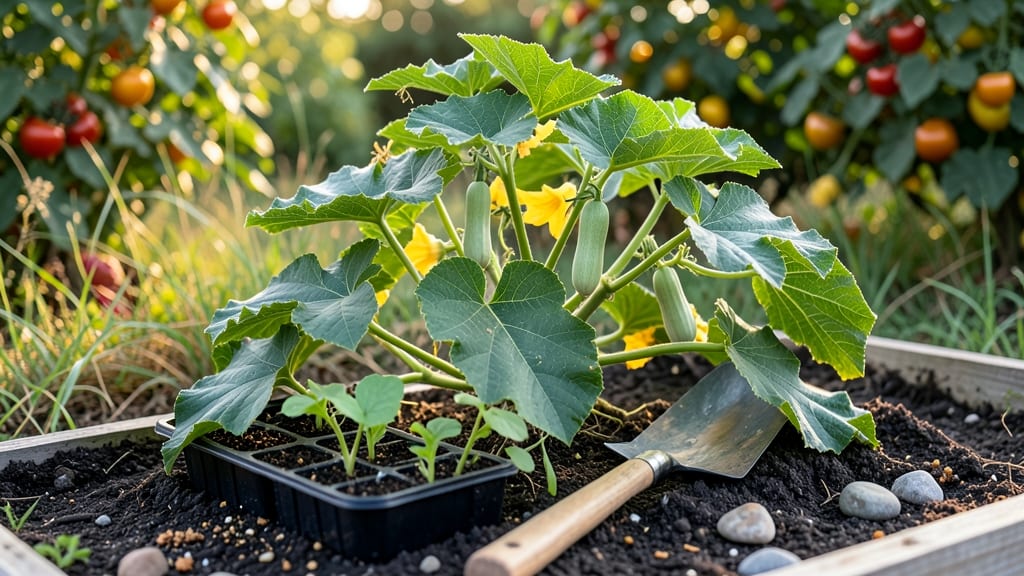
Planting squash in Zone 8 at the right time ensures fast, healthy growth and a bountiful harvest before the heat sets in.
Zone 8 gardeners know timing is everything—plant too early, and frost will ruin your crop; too late, and you’ll miss peak harvest season. The key to success lies in understanding the exact planting window for your squash varieties, whether you’re growing zucchini, butternut, or pumpkins 🎃.
Spring is the ideal season for squash, but the best months depend on your sub-region (8a vs. 8b) and soil temperature. Aim for late March to early April, when the ground warms to at least 60°F, ensuring your plants thrive without frost damage.
In this guide, I’ll break down the perfect planting schedule, share tips for transplanting vs. direct sowing, and reveal companion plants that boost your yield. Ready to grow squash like a pro?
Zone 8 squash planting calendar: exact months for summer and winter varieties
Squash thrives in Zone 8, but getting the timing right means the difference between a bumper crop and wasted effort.
Summer squash like zucchini and yellow squash need warm soil and frost-free skies, while winter squash (think butternut or pumpkins) can handle cooler fall temperatures—if planted at the perfect window. The key? Soil temperature thresholds and frost-free date calculations tailored to your sub-region (8a vs. 8b).
For Zone 8a (10–15°F colder winters), your last frost typically arrives by March 15, while Zone 8b (warmer) may see frost-free conditions as early as February 28. But don’t rush—soil must reach 60°F (15°C) for seeds to sprout reliably. Use a soil thermometer to confirm before planting.
Here’s your Zone 8 squash planting calendar, broken down by variety and sub-region, with exact months, soil prep tips, and frost risk reminders:
| Variety | Zone 8a Planting Window | Zone 8b Planting Window | Soil Temp Threshold | Frost Risk | Notes |
|---|---|---|---|---|---|
| Summer Squash (Zucchini, Yellow Squash) | April 1–15 (after last frost) | March 15–April 1 | 60°F (15°C) | Low after April 15 | Direct sow or transplant starts. Harvest in 50–60 days. |
| Winter Squash (Butternut, Pumpkin) | April 15–May 1 | March 30–April 15 | 65°F (18°C) | None by planting time | Transplant hardy starts. Needs 80–100 days to mature. |
| Fall Planting (Winter Squash Only) | August 1–15 (for late harvest) | July 30–August 10 | 60°F (15°C) | First frost: Nov 15–30 | Use black plastic mulch to warm soil. Harvest before frost. |
For summer squash, the April 1–15 window in Zone 8a ensures vines establish before summer heat peaks. In Zone 8b, you can start as early as March 15, but wait until soil warms to 60°F (15°C)—cold soil delays germination by weeks.
Pro tip: Mix compost into beds before planting to speed up soil warming.
Winter squash like butternut or pumpkins need a longer growing season, so plant April 15–May 1 in Zone 8a (or March 30–April 15 in 8b). These varieties tolerate cooler soils (65°F/18°C), but they’ll bolt (flower prematurely) if stressed by heat.
Space them 3–5 feet apart—their vines spread aggressively!
Don’t overlook fall planting for winter squash! In Zone 8, you can sow seeds August 1–15 (8a) or July 30–August 10 (8b) for a late harvest.
Use black plastic mulch to keep roots warm and protect against early frosts. Aim to harvest before November 15, when first frosts typically arrive.
One common mistake? Planting summer squash too late in Zone 8a. If you miss the April 15 deadline, vines may not produce fruit before summer’s end. For winter squash, overcrowding is another pitfall—vines compete for nutrients, stunting growth. Always follow spacing guidelines!
To maximize your harvest, pair squash with companion plants like bush beans or marigolds. Beans fix nitrogen in the soil, while marigolds deter pests. And if you’re transplanting starts, harden them off
How to extend your squash season in Zone 8: transplanting, succession planting, and cold protection
If you love harvesting fresh squash but hate missing the peak production window, extending your season is the answer. In Zone 8, where summers are long but late frosts and heat stress can cut harvests short, smart planting strategies make all the difference.
By using transplants, succession planting, and cold protection, you can enjoy squash from early summer through fall—and even into winter for hardier varieties.
I’ve found that transplanting young squash starts (instead of direct sowing) gives them a 3-4 week head start, while row covers or black plastic mulch protect tender plants from unpredictable frosts.
For example, butternut squash planted in late July can still mature before the first frost in Zone 8a, while zucchini thrives with staggered plantings every 2 weeks for continuous harvests.
- Step 1: Transplant young squash starts (4-6 weeks old) after last frost (typically mid-April in Zone 8). Harden off seedlings for 7-10 days before moving them to the garden.
- Step 2: Use succession planting—sow new seeds every 2 weeks until mid-July to ensure a steady supply of squash. Summer squash (zucchini, yellow squash) responds best to this method.
- Step 3: Protect late plantings with row covers or black plastic mulch to extend the season. Remove covers during pollination (hand-pollinate if needed) and reapply before cool evenings.
For fall planting, focus on winter squash varieties like butternut or pumpkin, which tolerate cooler temperatures. Start seeds indoors in late June and transplant outdoors by mid-July.
These varieties need 90-120 days to mature, so timing is critical. I’ve had success with butternut squash planted in early August—it thrives under row covers until harvest in October.
Don’t overlook the power of black plastic mulch, which warms the soil and suppresses weeds. Lay it down 2-3 weeks before transplanting in spring or immediately after planting in fall.
This simple trick can add 2-3 weeks to your growing season by keeping roots 5-10°F warmer than bare soil. Pair it with drip irrigation to maintain consistent moisture without overwatering.
If you’re growing summer squash, prioritize early-maturing varieties like ‘Eight Ball’ zucchini (45 days to harvest) or ‘Straight Neck’ yellow squash (50 days). These varieties are less likely to bolt in Zone 8’s heat and produce abundantly with succession plantings.
For winter squash, opt for ‘Waltham Butternut’ (90 days) or ‘Jack Be Little’ pumpkin (85 days), both of which handle cooler temps better than most varieties.
Finally, watch for heat stress in late summer. If temperatures exceed 90°F for prolonged periods, provide afternoon shade with shade cloth or mulch heavily to retain moisture. I’ve also had luck with companion planting—pairing squash with bush beans or marigolds to improve soil health and deter pests.
With these strategies, you can enjoy squash harvests well into November in Zone 8!