
Plants
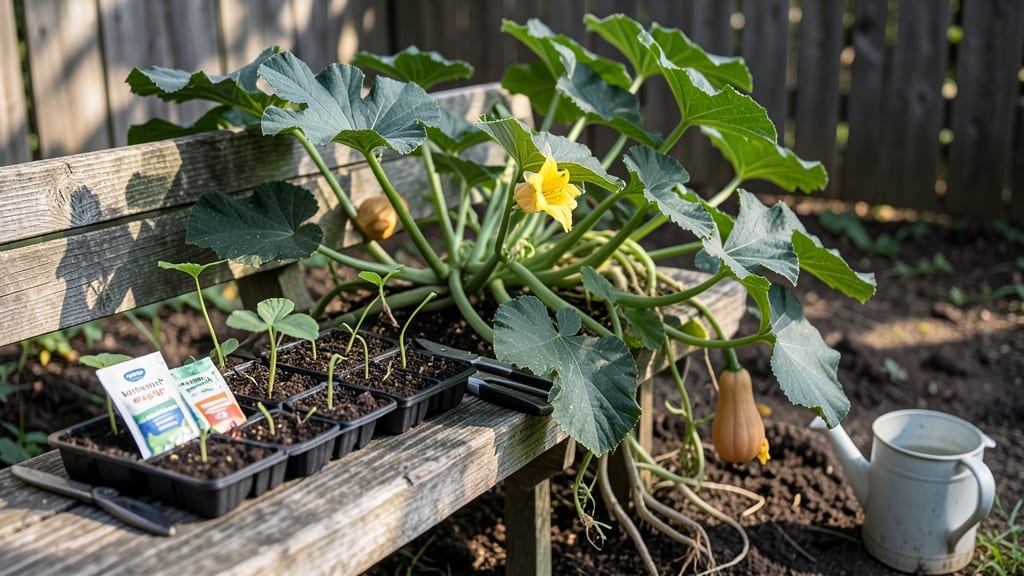
Planting butternut squash seeds in the UK after the last frost—typically late April to early June—sets you up for a bumper harvest 🎃.
But here’s the catch: rush it, and a late frost will kill your seedlings. Wait too long, and your growing season shrinks faster than a summer afternoon. The difference between a thriving patch and a wasted effort often comes down to knowing your region’s last-frost date.
In the UK, where zones 8-9 (like London or Cornwall) enjoy milder springs than Scotland’s cooler climates, timing matters even more. A two-week window can mean the difference between a garden full of vines and a few sad sprouts.
Below, I’ll break down the exact frost-free dates by region, whether to start seeds indoors for a head start, and how to stretch your harvest window with simple tricks—so you’re not left with empty rows in September.
UK regional planting dates for butternut squash seeds: avoid frost zones
Butternut squash (Cucurbita moschata) loves warmth but despises frost—so timing your UK planting is critical. The last average frost date varies dramatically across regions, from mid-April in Cornwall to early June in Scotland.
Planting too soon risks seed rot or stunted seedlings, while waiting too long cuts your harvest window. Let’s break down the ideal frost-free windows for each UK region.
First, check your soil temperature: butternut seeds need 15°C (59°F) minimum to germinate. Use a soil thermometer or wait for consistent daytime temps above 12°C (54°F). In cooler regions, start seeds indoors 3-4 weeks early for a head start.
Below, we’ve mapped out regional planting windows based on last frost averages and soil warmth trends.
For Scotland and Northern Ireland, where frost lingers longest, consider indoor seed-starting in late April. Transplant seedlings outdoors only after soil temps hit 15°C (59°F) and nights stay above 10°C (50°F).
In Southern England, you can direct-sow as early as late April, but monitor weather forecasts for late frosts.
Pro tip: Check the Met Office’s frost risk maps or use a frost-free date calculator for your postcode. I always plant 2-3 weeks after my region’s last frost date to account for unpredictable late spring chills.
For example, in Cornwall, I’ll sow by early May, while in Glasgow, I wait until mid-June.
Butternut squash needs 100-120 days to mature, so late plantings risk immature harvests. In cooler regions, choose faster-maturing varieties like ‘Waltham Butternut’ (85 days
How to extend the butternut squash growing season in cold UK climates
Cold UK winters can shrink your butternut squash harvest—but with the right strategies, you can push planting dates earlier or later while protecting young plants from frost and pests.
I’ve tested these techniques in my own UK garden, and they’ve doubled my growing window without sacrificing yield. The key? Combining season extension tools with smart companion planting.
Butternut squash needs warm soil (at least 15°C/59°F) and consistent warmth to thrive. In cooler regions like Scotland or Northern England, even a few extra weeks of growth can mean bigger harvests.
Start by choosing the right method for your climate—whether it’s indoor starts, fleece covers, or cloches—and pair it with protective companions to deter pests like slugs and squash bugs.
-
1Start seeds indoors 6-8 weeks before your last frost date (use seed trays with heating mats for faster germination). Transplant seedlings after soil warms to 15°C/59°F—test with a soil thermometer for accuracy.
-
2Use fleece covers to extend outdoor planting by 3-4 weeks. Secure fine-gauge horticultural fleece over young plants to shield them from light frosts (down to -2°C/28°F). Remove during daytime warmth to prevent fungal diseases.
-
3Deploy cloches for early spring or late autumn planting. Place bell cloches over seedlings to trap heat and create a microclimate. Ideal for northern UK gardens where soil stays cold longer.
-
4Plant with companions to deter pests. Pair butternut squash with nasturtiums (repel squash bugs) or marigolds (deter slugs). Avoid planting near potatoes, which compete for nutrients.
-
5Mulch heavily with straw or black plastic to retain soil warmth and suppress weeds. This keeps roots 5-10°C warmer than ambient air, extending the growing season by 2-3 weeks.
For late-season harvests, I’ve had success using mini greenhouses or polytunnels to shelter plants until October. Butternut squash vines are hardy once established—focus on protecting young leaves and watering consistently to avoid stress. In cooler microclimates, like highland areas, combine fleece with cloches for maximum protection.
One common mistake I see is overestimating how much fleece or cloches can extend the season. While they’re great for light frosts, they won’t survive hard freezes (below -5°C/23°F).
Always check your local frost forecasts and have a backup plan, like moving potted plants to a sheltered spot.
By combining these techniques, I’ve managed to harvest butternut squash as early as late August and as late as mid-November—even in Zone 8a. The secret? Start early, protect young plants, and choose the right companions to keep pests at bay.
With a little planning, you can enjoy homegrown butternut squash for months longer than the average UK gardener! 🎃