
Plants
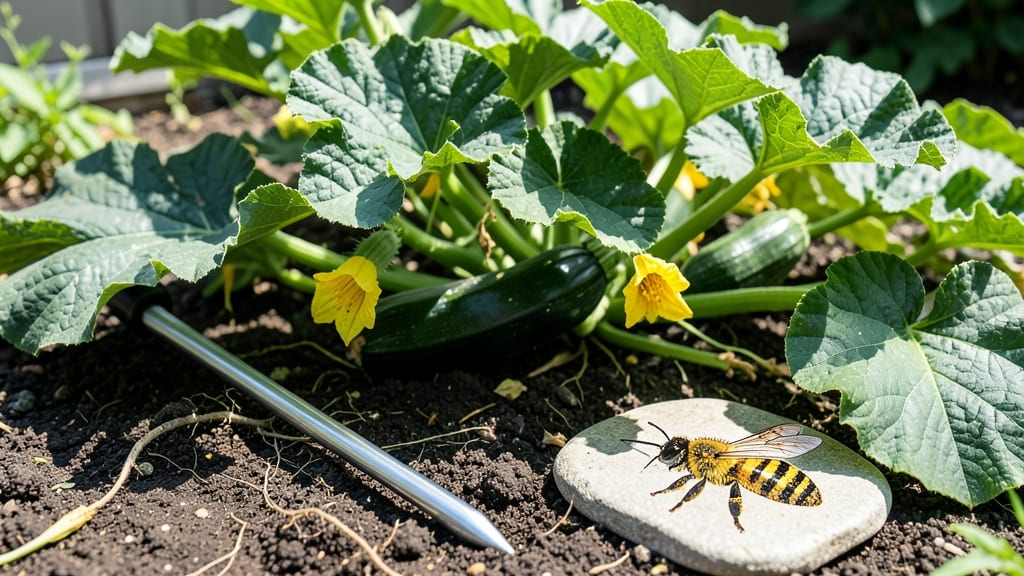
Frustrated by squash plants not producing fruit despite blooms? 🌿 I’ve watched my own vines go from hopeful flowers to empty stems, and after years of trial and error, I’ve narrowed it down to three key fixes that actually work.
The most common culprit is poor pollination—squash flowers need help when bees aren’t around. Overwatering or uneven soil moisture can also stress plants, causing them to abort flowers before they set fruit. Even nutrient imbalances, like too much nitrogen, trick plants into growing leaves instead of producing.
By adjusting your watering routine, giving flowers a little manual help, and balancing your soil, you’ll see those blossoms turn into plump, ready-to-harvest squash within weeks. The fix is simpler than you think—and it starts with understanding what your plants really need.
Here’s the game-changer: hand-pollination takes just 2 minutes a day and works like a charm. Use a small paintbrush or cotton swab to transfer pollen from male to female flowers—you’ll know a female flower when you spot the tiny squash forming at its base.
Combine this with consistent watering (about 1 inch per week) and a balanced fertilizer, and your plants will shift their energy from flowers to fruit.
Don’t overlook the little things—like removing suckers or thinning crowded vines—which can improve airflow and reduce disease pressure. My plants went from zero fruit to a bounty after I cut back on the nitrogen-heavy feed and switched to a 5-10-10 blend instead. The difference was night and day.
This works for zucchini, summer squash, pumpkins, and winter varieties alike. Whether you’re dealing with heat stress, pest damage, or just inconsistent pollination, these tricks will get your plants back on track. Let’s turn those empty stems into a harvest.
Root Causes Behind Poor Squash Fruit Set
Squash plants are prolific producers—but when they refuse to set fruit, it’s almost always due to one (or more) of three core issues: environmental stress, hormonal imbalances, or physical limitations. Understanding these causes is the first step to reviving your garden’s potential.
Below, we break down the science behind why your squash might be skipping the fruit-setting stage, along with actionable clues to spot each problem.
Squash thrives in warm but not scorching conditions—ideal daytime temps range between 70–90°F (21–32°C), while nights should stay above 60°F (15°C). When temperatures stray too far from this range, the plant’s reproductive system shuts down.
- Too Hot (Above 90°F/32°C): High heat disrupts pollination by slowing bee activity and causing flower buds to abort before opening.
Even if flowers appear, the stamens (male parts) fail to release pollen properly, leading to blossom drop within 24–48 hours. - Actionable fix: Provide afternoon shade (use row covers or shade cloth) and water deeply to cool soil temps.
- Too Cold (Below 55°F/13°C): Cold stress triggers ethylene gas production, a plant hormone that signals premature flower drop. Additionally, pollen grains become sterile in chilly conditions, even if bees visit. - Actionable fix: Wait until soil temps consistently stay above 60°F (15°C) before planting.
Use black plastic mulch to warm roots faster.
- Frost or Night Chills: A single frost can kill flowers overnight, but even light chills (below 50°F/10°C) cause stunted growth and failed fruit set for weeks afterward.
- Pro tip: 🌡️ Monitor your local minimum nighttime temps—if they dip below 55°F (13°C), consider row covers or a low tunnel for early-season squash.
Squash flowers are separate-sexed (male and female on the same plant), meaning cross-pollination is required for fruit to form. If this process fails, flowers wilt and drop without setting fruit. Common culprits:
- Lack of Bees or Poor Pollination: Squash relies on bees, butterflies, and wind for pollination.
Without them, female flowers (the ones with tiny squash bumps at their base) won’t receive pollen and will drop within 1–3 days. - Actionable fix: - Hand-pollinate by transferring pollen with a paintbrush or cotton swab from male (long-stemmed) to female (short-stemmed) flowers. - Plant bee-friendly flowers (like marigolds or borage) nearby to attract pollinators.
- Ethylene Gas Buildup: Stress from overcrowding, root damage, or extreme temps causes plants to release ethylene, a gas that triggers premature flower drop.
- Actionable fix: Thin plants to 2–3 feet apart and avoid heavy pruning during flowering.
- Male Flowers Dominating: Early in the season, squash plants produce mostly male flowers (which don’t set fruit).
If you’re seeing only male blooms for weeks, the plant isn’t mature enough for female flowers. - Actionable fix: Wait until the plant has 6–8 true leaves and is at least 12 inches tall before expecting female flowers.
Squash is 90% water—when moisture or nutrients are off, the plant prioritizes survival over fruit production.
- Inconsistent Watering: - Underwatering: Causes flower drop as the plant conserves energy.
Female flowers are more sensitive to drought than male flowers. - Overwatering: Leads to root rot, which starves the plant of nutrients needed for fruit development. - Actionable fix: Water deeply 1–2 times per week (1–1.5 inches per week), keeping soil moist but not soggy.
- Nitrogen Overload: Too much nitrogen (from fresh manure or high-N fertilizers) promotes leafy growth at the expense of flowers and fruit.
- Actionable fix: Switch to a balanced fertilizer (10-10-10 or 5-5-5) once flowers appear. Avoid high-nitrogen compost during fruiting.
- Calcium or Boron Deficiency: These minerals are critical for cell wall development in fruit.
A deficiency causes: - Blossom end rot (dark spots on young squash). - Stunted or deformed fruit. - Premature flower drop. - Actionable fix: Apply crushed eggshells (for calcium) or borax (1/4 tsp per gallon of water, used sparingly) if soil tests confirm a deficiency.
Hidden threats like squash vine borers, powdery mildew, or aphids drain energy from your plant, diverting resources away from fruit production.
- Squash Vine Borers: Larvae chew through stems, cutting off water and nutrient flow to flowers. Infested plants wilt suddenly and drop blooms.
- Actionable fix: Wrap stems with aluminum foil (borers can’t penetrate it) or use Bt (Bacillus thuringiensis) spray preventatively.
- Powdery Mildew: This fungal disease coats leaves in white powder, blocking sunlight and reducing photosynthesis.
The plant shuts down flower production to fight the infection. - Actionable fix: Spray with neem oil or baking soda solution (1 tsp baking soda + 1 quart water + a drop of dish soap) every 7–10 days.
- Aphids & Spider Mites: These sap-sucking pests weaken plants, causing yellowing leaves and stunted growth. Weak plants abort flowers to conserve energy.
- Actionable fix: Blast off pests with water spray or introduce ladybugs for natural control.
Key Takeaway: Most squash production failures boil down to temperature stress, pollination gaps, or resource shortages. By identifying which category your plants fall into, you can target fixes—whether it’s shading, hand-pollinating, or adjusting water/fertilizer habits. 🚀
Revive Your Squash Harvest Now
If your squash plants are stubbornly refusing to produce, don’t panic—these targeted fixes will get them back on track. Below, we’ve mapped the most common causes to practical solutions, so you can diagnose and act fast. Prevention tips are included to keep future harvests thriving!
Cause: Squash relies on bees or wind for pollination. Weak flowers, poor weather, or lack of pollinators can lead to blossom drop.
How to Fix It:
- 🔥 Hand-Pollinate Like a Pro Use a small paintbrush or cotton swab to transfer pollen from male (long-stemmed) to female (tiny squash at the base) flowers. Do this in the morning when flowers are fresh.
- Pro Tip: 🌡️ Wait until flowers are fully open (usually mid-morning) for best results.
- 🐝 Attract More Pollinators Plant companion flowers like marigolds, nasturtiums, or sunflowers nearby. Avoid pesticides, especially during bloom time.
- 🌬️ Improve Airflow Space plants 3–4 feet apart to reduce humidity and encourage better pollination.
Prevention: ✨ Keep a small water dish with pebbles near plants to attract bees. 🎯 Prune overcrowded vines to improve airflow and sunlight exposure.
Cause: Overwatering or underwatering stresses plants, leading to weak flowers and fruit drop.
How to Fix It:
- 👨🍳 Water Deeply, Not Frequently Squash needs 1–2 inches of water per week, delivered at the base (not leaves) to prevent fungal diseases. Use drip irrigation for consistency.
- 🥘 Avoid Wet Leaves Water in the early morning so foliage dries quickly, reducing mildew risk.
- ⏰ Monitor Soil Moisture Stick your finger 1–2 inches into the soil—if it’s dry, water; if soggy, hold off.
Prevention: 💡 Mulch with straw or grass clippings to retain moisture and regulate soil temperature. 🔥 Avoid watering late in the day to prevent blossom-end rot in developing fruits.
Cause: Too much nitrogen = lush leaves, no fruit. Too little = weak plants.
How to Fix It:
- 📊 Switch to a Balanced Feed Use a 5-10-10 or 10-10-10 fertilizer (low nitrogen, higher phosphorus/potassium) to encourage flowering. Follow label rates.
- 🥗 Add Organic Amendments Mix in compost or aged manure at planting time for slow-release nutrients.
- 💪 Avoid Over-Fertilizing Yellowing leaves? You’re overdoing it. Flush soil with water and reduce feed.
Prevention: ✨ Side-dress with a low-nitrogen fertilizer (like 0-10-10) when vines start running. 🎯 Test soil pH—squash thrives in 6.0–7.0; amend with lime (for acidic soil) or sulfur (for alkaline).
Cause: Extreme heat, cold snaps, or transplant shock can halt production.
How to Fix It:
- 🌡️ Shield from Heat Stress Use shade cloth (30–50%) during scorching afternoons (common in summer squash). Mulch to keep roots cool.
- 🥶 Protect from Cold Cover young plants with frost blankets if nights dip below 50°F (10°C).
- 🌱 Transplant Carefully Harden off seedlings (acclimate to outdoor temps over 5–7 days) before planting. Choose cloudy days to reduce shock.
Prevention: 💡 Plant black plastic mulch to warm soil faster in spring. 🔥 Avoid planting too early—wait until soil is 60°F (15°C) for optimal germination.
Final Note: Patience is key! Squash plants may take 2–3 weeks to rebound after stress. Track what works with a simple garden journal—note watering, pollination efforts, and fertilizer changes for next season’s success. 🚀
Frequently asked questions
Why are my squash flowers falling off before they turn into fruit?
This is called blossom drop, and it usually happens due to poor pollination, extreme temperatures, or stress. Female flowers (with tiny squash bumps at the base) need pollen from male flowers to develop fruit. If bees aren’t visiting or temps are too hot (>90°F) or cold (<55°F), flowers drop within 1-3 days. Hand-pollinating with a paintbrush can help immediately.
My squash plants have lots of leaves but no flowers—what’s wrong?
Too much nitrogen in your soil or fertilizer is likely the culprit. Nitrogen promotes leafy growth but starves flowering. Switch to a balanced fertilizer (5-10-10) and reduce watering slightly—stress from slightly dry soil can trigger blooming. Also check if your plants are mature enough (at least 6-8 true leaves).
How do I tell male vs. female squash flowers for hand-pollination?
Female flowers have a tiny squash-shaped bump at their base (where fruit would grow), while male flowers have a long stem. Use a paintbrush to transfer pollen from male stamens to female flowers in the morning. Focus on female flowers—these are the ones that will develop into fruit if pollinated successfully.
Can I still get fruit if my squash plants are already producing mostly male flowers?
Yes! Early in the season, squash plants produce more male flowers as they mature. Once they reach 12+ inches tall with 6-8 true leaves, female flowers should appear. Be patient—hand-pollinate any female flowers that do appear, and switch to a low-nitrogen fertilizer to encourage more female blooms.
What should I do if my squash leaves are yellowing while flowers drop?
Yellowing leaves combined with flower drop usually means overwatering, nutrient deficiency, or pest damage. First, check soil moisture—squash prefers 1-1.5 inches of water per week. If leaves are mushy, you’re overwatering. If they’re crispy, underwatering may be the issue. Also inspect for pests like aphids or squash vine borers, which drain plant energy.