
Tools
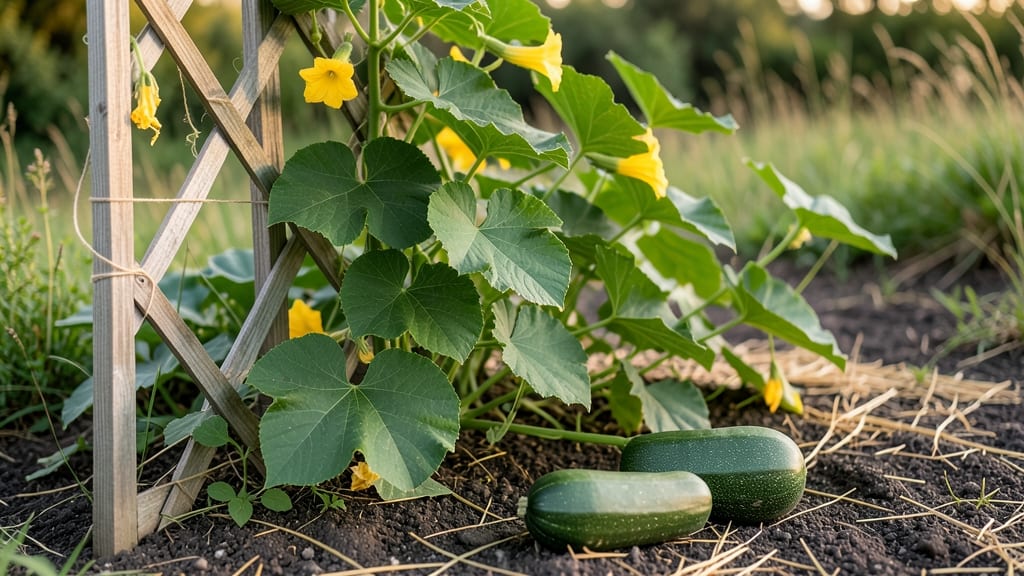
Vertical training transforms squash from sprawling vines into neat, upward-growing plants that save 30-50% garden space. 🌱 The key is starting early—young vines are flexible and adapt better to trellises than mature ones.
I've seen zucchini plants reach 6-8 feet vertically when given proper support, producing just as many fruits as their ground-hugging counterparts. This method also improves airflow, which reduces powdery mildew—a common squash problem in crowded garden beds.
For best results, choose trellises made of galvanized wire or wooden stakes that can support 10-15 pounds per plant. The secret lies in gentle tying—use soft fabric strips or old T-shirts rather than wire, which can cut into tender stems.
I always prune side shoots to encourage upward energy, though some varieties like butternut squash may need occasional support for their heavier fruits.
💡 In This Article
- Best Squash Varieties for Trellising and Their Growth Habits
- Step-by-Step Guide to Trellising Squash for Maximum Yield
Best squash varieties for trellising and their growth habits
Not all squash varieties climb naturally, but the best candidates for trellising are vining types with strong tendrils and flexible stems.
Zucchini and yellow summer squash are ideal—their vigorous growth habits make them perfect for vertical training, often reaching 6-10 feet when properly supported. 🌿 The key difference lies in their growth habit: vining varieties spread horizontally by default, while bush types (like some pumpkins) stay compact.
This makes vining squash excellent for trellises, as their natural climbing instincts kick in when given vertical support.
Butternut squash is another top performer, though it requires extra care due to its heavier fruits. These varieties develop strong tendrils (modified leaf structures) that naturally latch onto surfaces, making them self-supporting once established.
The science here involves auxin hormones, which promote upward growth in response to physical contact—this is why gentle tying works so well. 🌱 For best results, plant seeds 1-2 inches deep and provide support as vines reach 12-18 inches tall, before they become too rigid to train.
Some varieties, like cucumbers, share similar trellising benefits, but squash has one advantage: their thicker stems can handle more weight. I've seen zucchini plants support 5-7 pounds of fruit per vine when properly trellised, compared to just 2-3 pounds when left sprawling.
The vertical growth also reduces soil-borne diseases by keeping leaves off the ground, which is especially helpful in humid climates where powdery mildew thrives.
That said, not all squash varieties adapt equally. Bush-type squash (like some miniature pumpkins) aren't suitable for trellising—their compact growth habit makes vertical training impractical.
Even among vining types, acorn squash may need additional support for its smaller fruits, while spaghetti squash often benefits from partial trellising to manage its sprawling vines. Always check seed packets for growth habit descriptions—this small detail can save you time and frustration in the garden.
For maximum success, pair your chosen variety with the right trellis type. Wire cages work well for zucchini, while wooden lattice panels provide better support for butternut squash.
The key is matching the trellis's weight capacity to the plant's expected yield—most squash vines can handle 10-15 pounds when properly supported. 💫 This balance between plant strength and support structure is what turns a good harvest into an exceptional one.