
Vegetables
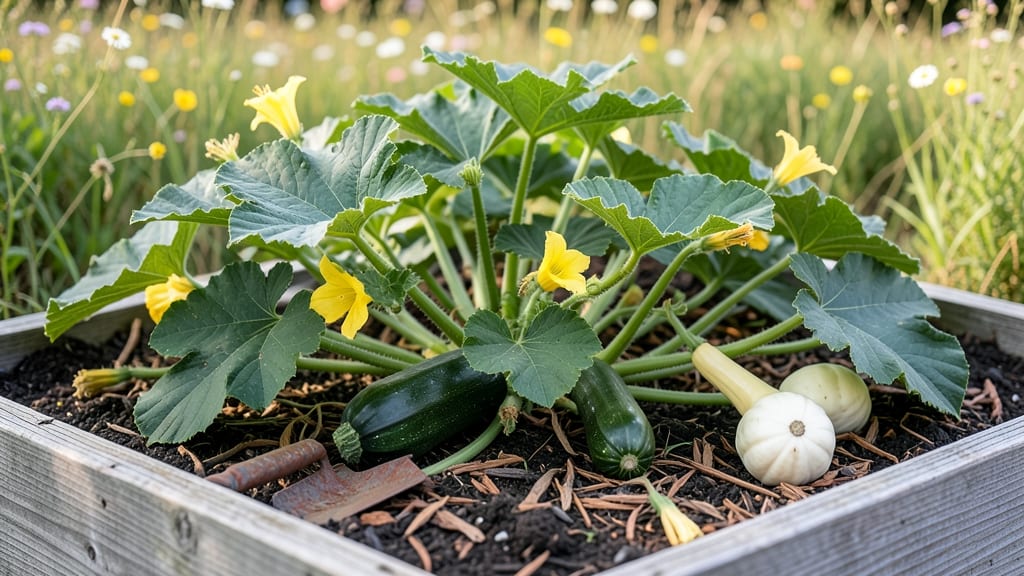
See these types of squash pictures to spot summer squash—from ribbed zucchini to star-shaped pattypan—each bringing its own flavor and garden charm. 🌱 I’ve grown them all, and the differences aren’t just in the kitchen—they’re in how they thrive in the soil, resist pests, and produce.
The right variety can mean the difference between a garden that’s almost productive and one that’s overflowing with harvests by midsummer.
Take zucchini, for example: it’s the workhorse of summer squash, producing 5-10 pounds of fruit per plant if you keep up with harvesting. But yellow squash like ‘Golden Straightneck’ matures faster and holds up better in heat, while pattypan’s scalloped edges make it a showstopper on the vine.
Then there are the bush varieties like ‘Eight Ball’—compact, prolific, and perfect for small spaces. Each has its own growing secrets, from soil preferences to spacing needs, and knowing them upfront saves you from midseason frustration.
What you’ll get from this guide is a visual and practical breakdown of the 12 best summer squash varieties, including how to tell them apart at a glance and what growing conditions they crave.
Whether you’re picking a variety for its yield, its looks, or its resistance to squash vine borers, you’ll leave knowing exactly which one fits your garden—and your plate. The payoff? A harvest so reliable, you’ll be gifting (or canning) more than you eat.
Bonus: I’ll include companion planting tips to boost yields and keep pests at bay, plus a quick-reference guide for distinguishing squash at the farmers’ market. No more guessing whether that ‘squash’ is actually a zucchini or a pattypan—you’ll recognize them all in seconds.
Let’s dive into the varieties that’ll make your garden the talk of the neighborhood.
📚 In This Guide
- What you need
- Instructions
- Tips and common mistakes
- Wrapping up and next steps
What you need
- ● Summer squash seeds (12–24 seeds, depending on variety and space): Choose from zucchini, yellow crookneck, pattypan, or straightneck varieties.
- ● Opt for heirloom or hybrid seeds based on your preferences.
- ● Well-draining potting mix or garden soil (1–2 cubic yards for in-ground planting or 5–10 gallons for containers).
- ● Compost or organic fertilizer (5–10 lbs for enriching soil, 10-10-10 NPK ratio recommended).
- ● Garden plot or containers (minimum 2–3 feet in diameter per plant; containers need drainage holes).
- ● Watering can or hose with a gentle spray nozzle (for consistent moisture).
- ● Garden gloves and a trowel (for planting and soil prep).
- ● Mulch (straw or shredded leaves) (1–2 inches to retain moisture and suppress weeds).
- ○ Support stakes or trellis (optional but helpful) for bushy varieties like zucchini.
- ● Row covers or shade cloth (to protect seedlings from pests or extreme heat).
- ● Organic pest control (neem oil, insecticidal soap, or companion plants like marigolds).
- ● Soil tester kit (to check pH—ideal range: 6.0–7.0).
- ● Pruning shears (for harvesting and trimming excess foliage).
- ● Plant markers (to label varieties and track growth).
How to identify and grow summer squash varieties
Summer squash thrives with the right variety—each brings unique flavor, texture, and growing quirks.
🌱 Step 1: Recognize Summer Squash Types by Appearance
Summer squash falls into three main categories: bush types (compact growth), vining types (longer stems), and hybrid varieties (crossbreeds). Zucchini, with its dark green, ribbed skin and glossy finish, is the most common. Patty pan squash, like 'Eve's Necklace,' has scalloped edges and grows flat like a patty. Straightneck varieties, such as 'Straight Eight,' have cylindrical shapes with smooth skin.
Look for these key traits: skin texture (smooth vs. bumpy), color (dark green, yellow, or striped), and shape (cylindrical, globular, or scalloped). For example, 'Golden Zucchini' has bright yellow skin, while 'Black Beauty' stays deep green. These visual cues help you choose the right variety for your garden.
☀️ Step 2: Understand Light and Soil Needs for Each Type
All summer squash varieties demand full sun (6-8 hours daily) and well-draining soil with a pH of 6.0-7.0. Bush types like 'Eight Ball' thrive in smaller spaces, while vining varieties like 'Cocozelle' need 3-5 feet of row space to sprawl. Amend heavy clay soil with 2-3 inches of compost before planting to improve drainage and fertility.
Watch for signs of stress: yellowing leaves indicate poor drainage, while stunted growth suggests insufficient sunlight. If your garden has partial shade, opt for bush types—they tolerate lower light better than vining varieties. Mulch with straw or grass clippings to retain moisture and suppress weeds.
🌿 Step 3: Plant and Space According to Variety
Direct-sow seeds ½ inch deep after the last frost when soil reaches 60°F. Bush types like 'Patio Star' can be planted 2-3 feet apart, while vining varieties need 4-6 feet of space. Thin seedlings to the strongest plant per hill to avoid competition. For hybrid varieties like 'Sunburst,' follow the seed packet spacing—overcrowding leads to disease.
Here’s the thing—some varieties, like 'Yellow Crookneck,' produce better when trellised. Install 3-4 foot tall stakes or a wire trellis early to support vining types. You’ll see healthier fruit and easier harvesting when plants aren’t bogged down by their own weight.
✂️ Step 4: Harvest at Peak Ripeness for Best Flavor
Summer squash is harvested young—when skin is tender and seeds are tiny. Zucchini should be 6-8 inches long, while patty pans reach 3-4 inches in diameter. Use a sharp knife or pruners to cut stems, leaving ½ inch of stem attached to prevent rot. Harvest every 2-3 days to encourage continuous production.
Watch for these cues: glossy skin, vibrant color, and firm texture. Overripe squash turns tough and seedy—taste test a small piece if unsure. Store harvested squash in the fridge for 5-7 days or use immediately for peak flavor.
💧 Step 5: Troubleshoot Common Variety-Specific Issues
Powdery mildew, a white fungal growth, often targets vining types like 'Cocozelle' in humid climates. Improve airflow by pruning overcrowded vines and avoid overhead watering. Bush types are more resistant but can still suffer if stressed. Rotate crops yearly to prevent soil-borne diseases.
If your squash flowers but doesn’t fruit, check for poor pollination. Hand-pollinate by transferring pollen from male (long stems) to female (tiny squash at base) flowers with a paintbrush. Some varieties, like 'Straightneck,' are more sensitive to temperature fluctuations—keep them in 65-85°F for consistent yields.
Tips & tricks for perfect summer squash variety Selection
Choosing the right summer squash variety can transform your garden's productivity and flavor profile.
Variety Selection: When selecting seeds, prioritize varieties that match your garden's conditions. For small spaces, bush types like 'Eight Ball' or 'Patio Star' are ideal—they require only 2-3 feet of space and produce abundantly. If you have room for sprawling vines, consider 'Cocozelle' or 'Yellow Crookneck,' which need 4-6 feet of space but yield impressive harvests.
Soil Preparation: Before planting, amend your soil with 2-3 inches of compost to ensure proper drainage, especially in heavy clay soils. A soil pH of 6.0-7.0 is ideal for all summer squash varieties. Test your soil before planting—adjusting pH with lime (to raise) or sulfur (to lower) can prevent nutrient deficiencies that stunt growth.
Pollination Support: Some varieties, like 'Straightneck,' are sensitive to temperature fluctuations and may need hand-pollination if bees are scarce. Use a small paintbrush to transfer pollen from male flowers (long stems) to female flowers (tiny squash at the base). This simple step can double your yield, especially in cooler climates where pollinators are less active.
Harvest Timing: Harvesting at the right moment is key to flavor and texture. For zucchini, aim for 6-8 inches in length, while patty pans should be 3-4 inches in diameter. Use a sharp knife to cut stems, leaving ½ inch attached to prevent rot. Harvest every 2-3 days to encourage continuous production—overripe squash becomes tough and seedy.
Pro Tips for Types Of Squash Pictures Summer Squash
- Choosing the right summer squash variety can transform your garden's productivity and flavor profile.
- Variety Selection: When selecting seeds, prioritize varieties that match your garden's conditions.
- Soil Preparation: Before planting, amend your soil with 2-3 inches of compost to ensure proper drainage, especially in heavy clay soils.
Frequently asked questions
Got questions about summer squash? You’re not alone!
Here are answers to the most common queries—whether you're a first-time gardener or a seasoned grower looking to troubleshoot. Let’s dive in!
What’s the difference between summer squash and winter squash?
Summer squash (like zucchini or yellow crookneck) is harvested young, tender, and thin-skinned, with soft seeds. Winter squash (think butternut or acorn) has a hard rind, matures fully, and stores longer. Think of it as fresh vs. long-term—summer squash is the quick, versatile snack!
How long does it take for summer squash to grow and produce?
Most summer squash varieties mature in 45–60 days from transplanting. Expect flowers in 3–4 weeks, and fruit to appear shortly after. Zucchini can produce daily if pollinated well—just be ready to harvest before they get too big (or your neighbors will be too)!
Can I substitute one type of summer squash for another in recipes?
Yellow squash, zucchini, and pattypan can usually swap 1:1 in recipes. For texture, zucchini is mild and moist, while yellow squash has a slightly sweeter, firmer bite. If a recipe calls for “summer squash,” pick your favorite—just adjust cooking time if needed (e.g., denser varieties like crookneck may need a minute extra).
Why aren’t my summer squash flowers turning into fruit?
Lack of pollination is the top culprit! Summer squash relies on bees (or wind) to transfer pollen. Fix it by:
- Hand-pollinating with a soft brush or cotton swab (transfer pollen from male to female flowers).
- Planting bee-friendly flowers nearby (like marigolds or sunflowers).
- Ensuring temps stay above 55°F (13°C)—cold nights can stunt pollination.
What’s the best way to store summer squash to keep it fresh?
Summer squash is best eaten fresh, but store it properly to extend its life:
- Unwashed and uncut: Keep in a paper towel-lined produce bag in the fridge for 5–7 days.
- Cut or cooked: Store in an airtight container for 3–4 days.
- Freezing: Blanch first to preserve texture (great for soups or grilling later!).
Do summer squash plants need full sun, or can they handle partial shade?
Summer squash thrives in full sun (6–8 hours daily), but can tolerate 4–6 hours if shaded in hot climates (to prevent sunscald). In partial shade, expect smaller yields and slower growth. If your garden is shady, choose bush varieties like ‘Eight Ball’ zucchini, which adapt better than vining types.
Wrapping up and next steps
From zucchini’s versatility to pattypan’s unique shape, summer squash brings a burst of flavor and color to your garden—and your plate! 🌱 Whether you’re a seasoned gardener or a curious beginner, these 12 varieties offer endless possibilities for growing, cooking, and enjoying fresh, homegrown produce.
Now that you’re armed with growing secrets and FAQs, it’s time to roll up your sleeves! Start small with a few seeds or seedlings, experiment with recipes, and let your summer squash adventure begin. Happy planting—and even happier harvesting! 🌿🍽️