
Vegetables
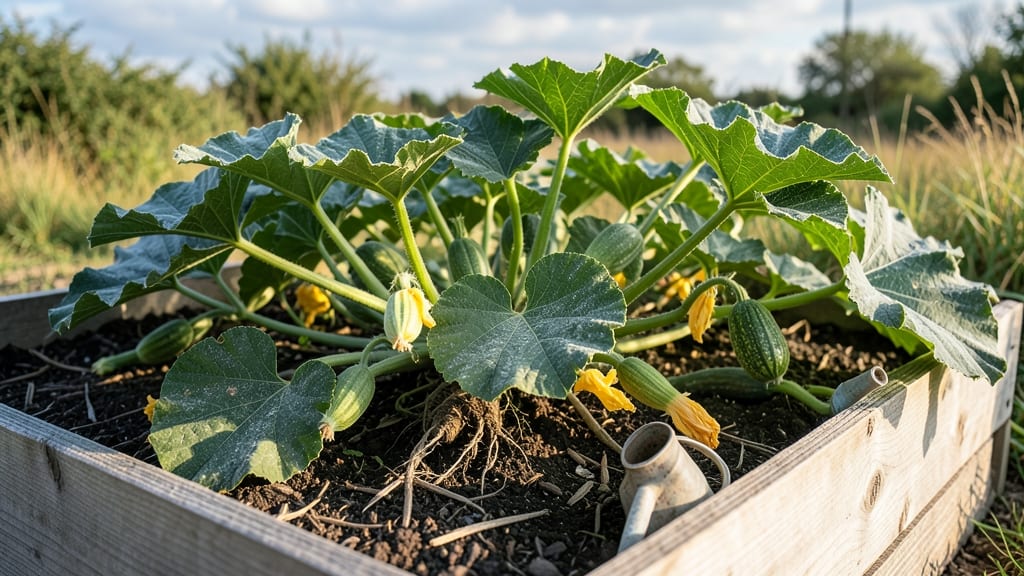
That white mold on squash leaves—the fluffy, creeping menace—isn’t just ugly; it’s sapping your plants’ strength, and I’ve spent years fighting it. 🌿 Here’s how to stop it fast. The good news? You can often save your plants with simple, organic fixes—no harsh chemicals required.
This guide covers everything from quick sprays to long-term prevention, so you can protect your squash without losing the crop. The key is acting fast: once mildew takes hold, it spreads faster than you can say "zucchini."
You’ll learn how to identify it, why it shows up in your garden, and the easiest treatments that work within days.
By the end, you’ll have a foolproof plan to keep your squash thriving—no more wilting leaves or missed harvests. The best part? These methods work for cucumbers, melons, and pumpkins too. Let’s get your plants back to their lush, disease-free selves.
Whether you’re dealing with a small patch or a full-blown outbreak, the solutions here are designed to work quickly and keep your garden healthy. No more guessing—just actionable steps to save your squash before it’s too late.
Root Causes of Fungal Spread
White mold on squash leaves isn’t just a random bad luck scenario—it’s a perfect storm of environmental and cultural factors that create ideal conditions for the fungus Sclerotinia sclerotiorum to thrive. Understanding these triggers is the first step to stopping the outbreak before it ruins your harvest.
Below, we break down the science behind why this fungal menace takes hold, so you can act fast and protect your plants.
The fungus Sclerotinia sclerotiorum loves humidity and stagnant air, and nothing traps moisture like crowded squash vines. When plants grow too close together:
- Airflow is restricted, preventing water from evaporating quickly and creating a microclimate with high humidity—perfect for fungal spores to germinate.
- Leaves stay wet longer after watering or dew, giving the fungus 24–48 hours of ideal conditions to infect stems and leaves.
- Debris (like fallen leaves or old vines) piles up, harboring sclerotia (the fungus’s survival structures) and spreading spores to healthy plants.
Actionable fix: Space squash plants 3–4 feet apart in rows, and thin seedlings early to improve airflow. Use drip irrigation instead of overhead watering to keep foliage dry.
The fungus needs free water on plant surfaces to infect squash. Overwatering—especially in the evening or night—creates the perfect breeding ground:
- Prolonged leaf wetness (more than 12 hours) triggers spore germination. The fungus releases oxalic acid, which weakens plant cell walls, making entry easy.
- Waterlogged soil stresses plants, reducing their natural defenses (like cutin, a waxy leaf coating that repels fungi).
- Poor drainage in containers or heavy clay soil keeps roots soggy, making plants more susceptible to infection.
Actionable fix:
- Water early in the day so leaves dry by sunset.
- Use mulch (straw or grass clippings) to retain soil moisture without wetting foliage.
- Ensure pots have drainage holes and avoid saucers that trap excess water.
Sclerotinia sclerotiorum thrives in temperatures between 60–77°F (15–25°C) with relative humidity above 70%. These conditions are common in:
- Summer squash growing seasons (June–August in most climates), where warm days and cool nights create condensation on leaves.
- Greenhouses or low-lying areas where heat and moisture get trapped.
- After rain or irrigation, when spores in the soil are splashed onto leaves.
Actionable fix:
- Use a hygrometer to monitor humidity—aim for below 60% during peak fungal risk periods.
- Improve airflow with fans or pruning to lower humidity around plants.
- Avoid planting squash in shady, damp spots; opt for full sun with afternoon shade in hot climates.
Sclerotia—the fungus’s dormant, survival structures—can live in soil for years, waiting for the right conditions to reactivate. They’re often spread through:
- Infested garden soil from previous crops (especially nightshades, beans, or other squash family plants).
- Compost or mulch made from infected plant material (e.g., old squash vines or leaves).
- Tools, gloves, or shoes that move spores from one part of the garden to another.
Actionable fix:
- Test soil for sclerotia by floating a sample in water—if dark, hard structures rise, they’re infected. Solarize soil (cover with clear plastic for 4–6 weeks in summer) to kill them.
- Avoid planting squash in the same spot for 3+ years; rotate with non-host crops like corn, grasses, or brassicas.
- Sterilize tools with 70% isopropyl alcohol or a 10% bleach solution between uses.
Healthy squash plants have natural defenses against fungi, but stress from:
- Nutrient deficiencies (especially potassium or phosphorus), which weaken cell walls.
- Herbicide drift or chemical damage from nearby treatments.
- Pest damage (e.g., squash vine borers or aphids), creating entry points for the fungus.
- Transplant shock from moving young plants too early.
Actionable fix:
- Fertilize with a balanced 10-10-10 or 5-10-10 formula at planting, then switch to a low-nitrogen, high-potassium feed (like 0-0-50) when vines start running.
- Inspect plants weekly for pests and treat aphids with neem oil or soapy water.
- Avoid overhead watering after herbicide applications (wait 3–5 days).
💡 Pro Tip: If you’ve had white mold before, plant resistant varieties like ‘Early Prolific Straightneck’ or ‘Defender’ squash, which show moderate resistance to Sclerotinia. Pair them with companion plants like marigolds or nasturtiums, which may deter spores.
Quick Fixes to Revive Your Squash
White mold on squash leaves isn’t just an eyesore—it’s a sneaky thief of your harvest. But don’t panic! With the right approach, you can stop the spread, heal your plants, and prevent future outbreaks.
Below, we’ll tackle the most common causes and match them with practical, garden-proof solutions—plus tips to keep your squash thriving.
Cause: Wet leaves from sprinklers or crowded plants create the perfect mold buffet. Solution:
- Switch to drip irrigation 💧—delivers water at the roots, keeping foliage dry.
- Prune lower leaves (but not too much!) to improve airflow. Aim for 12–18 inches of space between plants.
- Water in the morning so leaves dry by night—mold loves damp darkness.
- Use a fan (yes, really!) on hot days to dry leaves faster. A gentle breeze mimics natural airflow.
Pro Tip: 🌡️ If you must water overhead, do it early in the day and avoid late evenings.
Cause: White mold (Sclerotinia sclerotiorum) thrives when spores land on moist leaves. Solution:
- Baking soda spray (mild but effective):
- Mix 1 tsp baking soda + 1 tbsp vegetable oil + 1 tsp dish soap in 1 gallon of water.
- Spray affected leaves and soil every 5–7 days until symptoms fade.
- Neem oil (fungicidal + insect-repellent):
- Apply 1 tbsp neem oil + 1 tsp mild soap per gallon of water. Spray at dusk to avoid burning leaves.
- Copper fungicide (for severe cases):
- Follow label instructions—copper disrupts fungal spores but use sparingly (it’s heavy metal).
Pro Tip: ✨ Rotate treatments to avoid resistance. Alternate baking soda, neem, and copper weekly.
Cause: Dead leaves and stems harbor spores, ready to reinfect. Solution:
- Snip off moldy leaves with sterilized pruners (wipe with rubbing alcohol between cuts).
- Do NOT compost infected plant material—toss it in the trash or burn it (if legal).
- Disinfect tools after each use to prevent cross-contamination.
Pro Tip: 🔪 Wear gloves—some gardeners report skin irritation from mold spores.
Cause: Weak, nutrient-deficient squash is an easy target. Solution:
- Fertilize with compost or balanced organic fertilizer (like 5-5-5) to strengthen plants.
- Add mulch (straw or grass clippings) to suppress spores and retain moisture in the soil (not leaves!).
- Encourage beneficial microbes with a mycorrhizal fungi treatment—these outcompete mold.
Pro Tip: 💪 Healthy soil = healthy plants. Test your soil pH (aim for 6.0–6.8 for squash).
Cause: Repeated infections mean spores linger in the soil. Solution:
- Crop rotation 🌱—don’t plant squash, cucumbers, or beans in the same spot for 3+ years.
- Solarize the soil (for stubborn cases):
- Cover beds with clear plastic for 4–6 weeks in hot sun to kill spores.
- Plant resistant varieties like ‘Early Prolific Straightneck’ or ‘Table Queen’ squash.
Pro Tip: 🎯 Interplant with marigolds or nasturtiums—they repel pests and improve airflow.
Final Reminder: Early action is key! The moment you spot fuzzy white growth, act fast—your squash will thank you with a bountiful harvest. 🎉
Frequently asked questions
Is white mold on squash leaves the same as powdery mildew?
Not exactly! While both appear as white growth, white mold (from Sclerotinia sclerotiorum) creates fluffy, cottony patches that spread rapidly and often appear on stems too. Powdery mildew stays mostly on leaf surfaces and looks more like dust. The key difference? White mold can kill plants faster by attacking stems and fruit.
Can I still harvest squash with white mold on the leaves?
Yes, but focus on young, unaffected fruit. The mold targets leaves and stems first—your squash won’t get infected through the skin. Harvest frequently to reduce stress on the plant, and remove any moldy leaves immediately. Just avoid eating leaves with visible white growth (they’re not safe).
How long does it take for homemade sprays to work?
Most organic treatments (like baking soda or neem oil) show results in 3–7 days with consistent application. For severe cases, combine sprays with pruning infected areas. The key is daily checks—stop the spread early by removing moldy leaves immediately after spraying.
Will my other garden plants catch white mold from squash?
Not necessarily! This fungus primarily targets cucurbits (squash, cucumbers, melons). However, if spores spread via tools or wind, nearby plants like tomatoes or beans could be at risk. Always sterilize tools between plants and avoid composting infected material.
Can I save a plant if white mold is already on the stems?
It depends! If the mold is only on leaves, prune those areas and treat aggressively. But if stems are soft, brown, and mushy, the plant is likely beyond saving. For severe stem infections, remove the entire plant (including roots) and disinfect the soil to prevent spread.