
Container Gardens
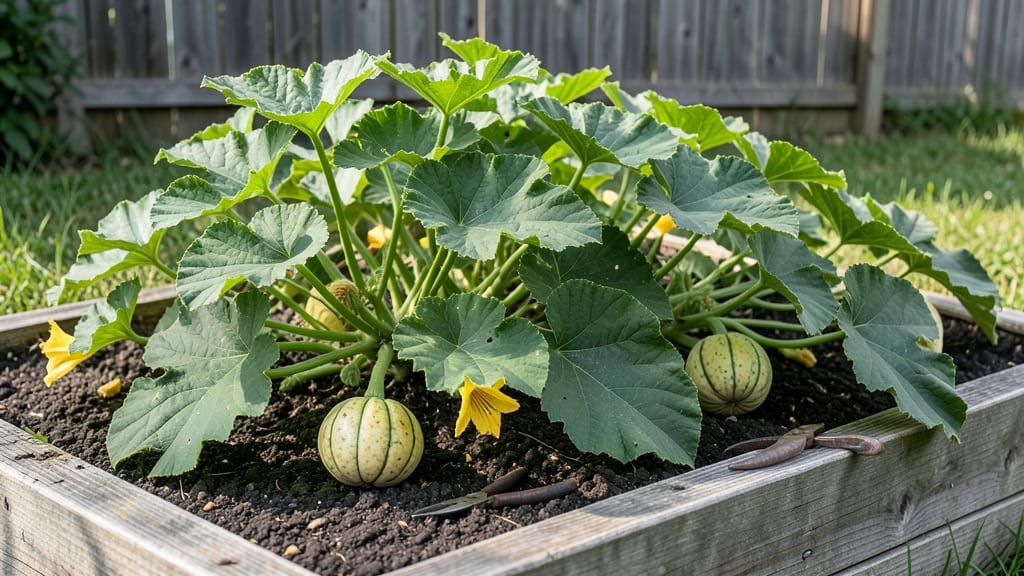
Growing scallopini squash in containers is the perfect solution when space is tight and full sun is scarce. 🌱 I discovered this compact variety after struggling with sprawling zucchini vines that took over my patio—now I get bountiful harvests in just 2 square feet of space, even with partial shade.
The secret lies in its bushy growth habit and adaptability. Unlike traditional squash, scallopini thrives in 5-gallon containers with well-draining soil, making it ideal for balconies or small yards. With the right care, you'll harvest tender, 4-6 inch fruits within 50-60 days, perfect for stir-fries or fresh eating.
What makes this variety stand out is its disease resistance and ability to produce in partial shade—something most squash can't handle. The vines stay compact, so you won't need trellises, and the fruits ripen quickly before pests get a chance to strike.
For best results, plant in late spring after the last frost, keep soil consistently moist, and harvest frequently to encourage more production. Even in less-than-ideal conditions, this squash delivers reliable yields with minimal fuss.
📚 In This Guide
- What you need
- Instructions
- Tips and common mistakes
- Wrapping up and next steps
What you need
- ● Scallopini squash seeds: 2–4 seeds per container (choose heirloom or disease-resistant varieties for best results).
- ● Container: A minimum 5-gallon pot (18–24" diameter) with drainage holes. Larger containers (10+ gallons) support bigger harvests!
- ● High-quality potting mix: A well-draining, fertile blend (avoid garden soil—it compacts in containers). Add compost (1 part compost to 3 parts potting mix) for nutrients.
- ● Organic fertilizer: A balanced 10-10-10 or veggie-specific formula (follow package rates for container gardens).
- ● Mulch: Straw or shredded leaves (1–2 inches) to retain moisture and suppress weeds.
- ● Gloves & trowel: For planting and soil prep.
- ● Watering can or hose with gentle nozzle: Containers dry out fast—water deeply 2–3 times weekly (adjust for shade/climate).
- ○ Trellis or cage (optional): A 5–6 ft tall tomato cage or wire trellis to train vines vertically (saves space and improves air circulation).
- ● Pruning shears: For trimming excess vines or yellowing leaves.
- ○ Shade cloth (optional): If your container gets partial sun, use 30–50% shade cloth to protect young plants.
- ● A sunny to partially shady spot (6+ hours of dappled light is ideal; full shade reduces yield).
- ● Warm soil temps: Wait until after the last frost and soil is 60°F+ (scallopinis are heat-loving!).
- ● Patience: Germination takes 7–14 days—keep soil moist but not soggy!
Step-by-step instructions for growing scallopini squash in containers
Here's how to grow these adorable, productive vines that thrive in partial shade.
🌱 Step 1: Select the Perfect Container and Soil Mix
Choose a 5-gallon container with drainage holes—squash roots need space and air. I use fabric grow bags because they prevent root circling while still allowing excess moisture to escape. Fill the bottom third with garden compost to improve drainage, then add high-quality potting mix mixed with 1 cup perlite for aeration.
Scallopini squash roots are sensitive to waterlogging, so this layering prevents soggy soil. Press the mix down gently until it's firm but not compacted—you should be able to push your finger in about 1 inch without resistance. This ensures roots can spread easily while maintaining good contact with moisture.
☀️ Step 2: Plant Seeds at the Right Depth and Temperature
Sow 2-3 seeds per container at a depth of 1 inch, spacing them evenly around the edges. Scallopini seeds germinate best in soil temperatures between 70-85°F—use a seedling heat mat if your space runs cooler. Water lightly after planting, keeping the soil evenly moist but not soggy until germination.
Cover the container with clear plastic wrap to create a mini greenhouse effect. Check daily for condensation—if you see droplets forming on the plastic, that's your signal the moisture level is perfect. Germination typically takes 7-14 days, but don't be surprised if it takes longer in cooler conditions.
🌿 Step 3: Provide Partial Shade and Consistent Moisture
Once seedlings emerge, remove the plastic and place them in morning sun with afternoon shade—direct afternoon sun can scorch tender leaves. Scallopini squash tolerates shade better than most summer squash varieties, but they still need at least 4-6 hours of bright, indirect light daily. You'll see leggy growth if light is insufficient—this is your cue to move the container closer to a window or supplement with a grow light.
Water when the top 1-2 inches of soil feel dry to the touch. I use a moisture meter to avoid guesswork—squash plants wilt quickly when thirsty but recover fast when watered properly. Mulch with 1 inch of straw to retain moisture and prevent soil-borne diseases from splashing onto leaves.
✂️ Step 4: Train Vines and Harvest Regularly
As vines grow, gently weave them through the container edges to encourage bushier growth. Prune any leggy stems back to a leaf node to redirect energy into fruit production. Scallopini squash produces compact, scalloped-edged fruits that ripen in 50-60 days—harvest when they're 6-8 inches long and still firm to the touch.
Real talk: these squash grow fast, so check containers every 2-3 days once flowers appear. Overripe squash turns rubbery and loses flavor. Use a small serrated knife to cut stems cleanly, leaving a ½-inch stem attached to the fruit. This prevents bruising and extends shelf life.
🪴 Step 5: Extend the Season with Proper Care
After your first harvest, feed plants with balanced liquid fertilizer every 2 weeks to encourage more production. Scallopini squash continues bearing until first frost, so protect containers with frost blankets if temperatures dip below 50°F. I've had plants produce well into October with this simple protection.
At season's end, compost healthy vines or save seeds from the best fruits. The reason I love Scallopini? It's one of the few squash varieties that thrives in containers and partial shade—perfect for urban gardens or patios with limited sun. With these steps, you'll get 4-6 harvests per plant in a single season.
Tips & tricks for perfect scallopini squash growth in containers
These game-changing insights will help you maximize your harvest while avoiding common pitfalls with these shade-loving vines.
Container Selection: While a 5-gallon container works perfectly, I've found that adding 1-2 inches of extra depth (up to 7 gallons) gives roots more room to establish before harvest time. This becomes especially important if you're growing multiple plants in one container—roots will naturally compete for space. Look for containers with multiple drainage holes to prevent waterlogging, which can quickly turn deadly for squash roots.
Germination Boost: The 70-85°F soil temperature range is critical, but don't worry if your space runs cooler. Place containers on a seedling heat mat or nestle them inside a larger insulated planter filled with warm water. I've successfully germinated seeds in 55°F conditions using this method, though it may extend germination to 21 days. Watch for condensation on your plastic wrap—this is your signal the moisture level is ideal for sprouting.
Light Management: Those 4-6 hours of bright indirect light are non-negotiable, but here's the secret: rotate your containers quarter-turn daily to ensure even growth. You'll notice plants leaning toward the light source—this is their way of telling you they need to be repositioned. For urban growers, south-facing windows with sheer curtains provide perfect afternoon shade while still delivering morning light intensity. Consider a reflective surface like white plastic behind containers to maximize light exposure.
Harvest Timing: The 50-60 day window to maturity is when Scallopini truly shines. Here's what to watch for: fruits should be 6-8 inches long with a firm texture that yields slightly when pressed. I harvest mine every 2-3 days once flowering begins—this consistent picking triggers more fruit production. Use a small serrated knife and cut stems at a 45-degree angle to prevent water from pooling on the wound, which can cause rot.
Pro Tips for Scallopini Squash Growing
- These game-changing insights will help you maximize your harvest while avoiding common pitfalls with these shade-loving vines.
- Container Selection: While a 5-gallon container works perfectly, I've found that adding 1-2 inches of extra depth (up to 7 gallons) gives roots more room to establish before harvest time.
- Germination Boost: The 70-85°F soil temperature range is critical, but don't worry if your space runs cooler.
Frequently asked questions
Got questions about growing scallopini squash in containers? You’re not alone! Here are answers to the most common concerns—from spacing to pests—to help you cultivate a thriving harvest.
How much space do scallopini squash vines really need in containers?
Scallopini squash thrives in compact spaces—aim for a 5-gallon container or larger (at least 12 inches deep). If growing multiple plants, space them 12–18 inches apart to allow airflow and prevent crowding. Pro tip: Use a trellis to save space and encourage upward growth!
When is the best time to plant scallopini squash in containers?
Wait until after the last frost (when soil temps hit 60°F+) and nighttime temps stay above 55°F. Start seeds indoors 4–6 weeks before transplanting for a head start. Bonus: Scallopini squash grows fast—expect harvests in 50–60 days!
What pests should I watch for, and how do I prevent them?
Common culprits include cucumber beetles, squash bugs, and aphids. Preventative tips:
- Use row covers early in the season.
- Rotate containers yearly to disrupt pest cycles.
- Handpick pests (especially squash bugs) in the morning when they’re sluggish.
- Spray with neem oil or insecticidal soap as needed.
Can I grow scallopini squash in partial shade?
Yes! While they prefer full sun (6–8 hours/day), scallopini squash tolerates partial shade (4–6 hours of sun)—perfect for container gardens under trees. Just expect slightly smaller fruits and fewer vines. Boost productivity: Place containers in the sunniest spot possible and fertilize regularly.
What can I do if my scallopini squash flowers but doesn’t produce fruit?
No fruit? It’s often due to lack of pollinators (especially in containers). Solutions:
- Hand-pollinate flowers with a small paintbrush (gently transfer pollen from male to female blooms).
- Plant pollinator-friendly flowers (like marigolds) nearby.
- Check for heat stress (temps above 90°F can stop flowering). Provide afternoon shade if needed.
Are there any low-maintenance alternatives to scallopini squash for containers?
If scallopini squash seems tricky, try these container-friendly squash varieties:
- ‘Eight Ball’ zucchini – Compact, prolific, and great for small spaces.
- ‘Patio Star’ pumpkin – Bush-type with small, manageable vines.
- ‘Gold Rush’ acorn squash – Disease-resistant and early-maturing.
Wrapping up and next steps
Growing scallopini squash in containers is a fantastic way to enjoy a bountiful harvest—even in shady spots! 🌱 With minimal space and the right care, you’ll soon be savoring sweet, tender vines packed with flavor.
Whether you’re a beginner or a seasoned gardener, this compact variety proves that big results come from small efforts.
Ready to take the next step? Start by planting your seeds this season and watch your container garden thrive. Happy growing—and get ready to enjoy homegrown goodness! 🍴