
Picking
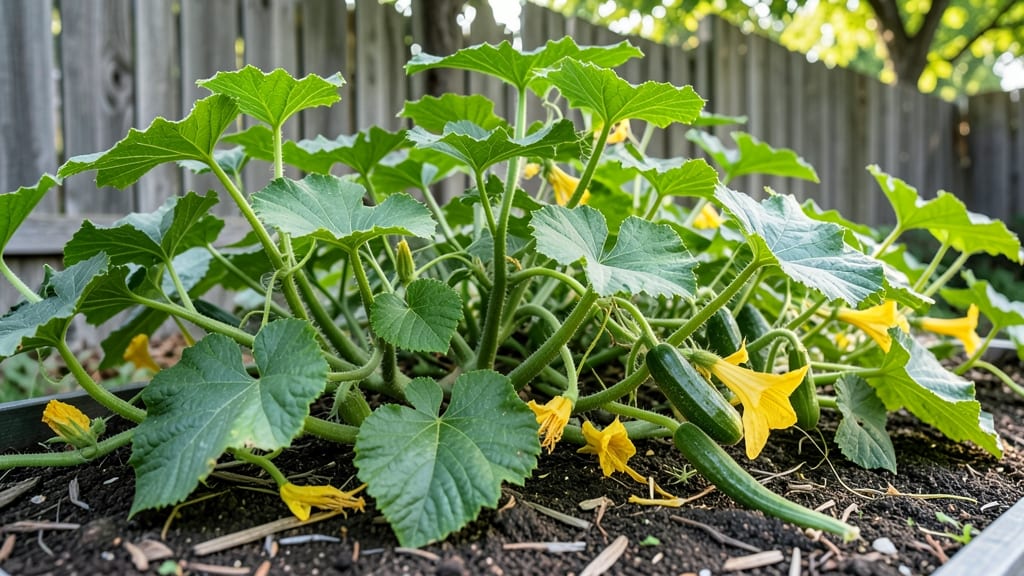
Growing summer squash vines that actually produce reliable harvests—even in partial shade—is a game-changer for small spaces and hot climates. 🌱 I’ve battled with floppy vines and bitter fruit for years, but these shade-tolerant varieties and a few key tricks finally gave me the consistent yields I wanted without sacrificing flavor.
The secret isn’t just picking the right variety (like ‘Black Beauty’ or ‘Early Prolific’), but also giving vines support early—whether that’s a sturdy trellis, tomato cages, or even a DIY wire frame.
Without it, sprawling vines compete with weeds for sunlight, and your squash ends up small, tough, and half-hidden under leaves. By mid-summer, you’ll be harvesting 3-5 pounds of tender squash per plant weekly, with vines that stay productive until frost. The best part?
These varieties handle morning sun with afternoon shade, making them perfect for urban gardens, patios, or spots where full sun isn’t an option. Here’s how to set them up for success—from soil prep to pruning—so you’re not left with a jungle of vines and zero harvests.
📚 In This Guide
- What you need
- Instructions
- Tips and common mistakes
- Wrapping up and next steps
What you need
- ● Summer squash seeds: Choose shade-tolerant varieties like ‘Black Beauty’, ‘Warty’, or ‘Early Prolific Straightneck’. Buy 3–5 seeds per plant (or 1–2 per container if direct-sowing).
- ● Well-draining potting mix: 10–20 lbs (for containers) or amend garden soil with 2–3 inches of compost to improve fertility.
- ● Fertilizer: Balanced organic fertilizer (e.g., 5-5-5 or 10-10-10) – 1 tbsp per plant at planting.
- ○ Composted manure or worm castings (optional but recommended for nutrient-rich soil).
- ● Mulch: 2–3 inches of straw or shredded leaves to retain moisture and suppress weeds.
- ● Garden trowel or transplanting tool (for digging holes or sowing seeds).
- ● Watering can or hose with a gentle spray nozzle (avoid blasting seeds!).
- ○ Garden gloves (optional but helpful for handling soil and mulch).
- ● Plant markers or labels (to track varieties if growing multiple types).
- ○ Row cover or shade cloth (30–50%) (optional, for seedlings in hot climates or partial shade).
- ○ Trellis or stakes (optional) – Use if growing bush-type varieties vertically (e.g., ‘Eight Ball’ zucchini).
- ● Sunlight: Partial shade (4–6 hours of direct sun/day) or dappled light (e.g., under fruit trees). Avoid deep shade.
- ● Soil temperature: Wait until soil is at least 60°F (15°C)—use a soil thermometer if unsure.
- ● Space: Vining varieties: 3–4 feet diameter per plant (or 2–3 feet apart in rows).
- ● Bush varieties: 2–3 feet apart.
- ● Water source: Consistent moisture (especially for seedlings). Drip irrigation or soaker hoses work best.
Step-by-step guide to growing shade-tolerant summer squash vines
Here’s how to cultivate productive summer squash even in partial shade—no fancy equipment needed.
🌱 Step 1: Select and Prepare the Right Variety
Choose shade-tolerant varieties like 'Black Beauty,' 'Early Prolific Straightneck,' or 'Warty,' which thrive with 4-6 hours of sunlight. Avoid bush types—they’re less productive in low light. Start seeds indoors 4-6 weeks before last frost or buy transplants for a head start.
Soak seeds overnight in lukewarm water to soften the shell and speed germination. Plant 1 inch deep in well-draining soil with a pH of 6.0-6.8. I like to add a handful of compost to each hole—this ensures roots get the nutrients they’ll need as vines spread.
🪴 Step 2: Plant in Rich, Moist Soil
Dig holes 12-18 inches apart in rows spaced 3-4 feet apart to give vines room to sprawl. Mix 2 cups of compost into each hole—this boosts fertility without overloading nitrogen, which can lead to leafy growth at the expense of fruit.
Water deeply before planting, then place seedlings or seeds in the hole. Cover with soil, pressing lightly to eliminate air pockets. Squash roots are sensitive to disturbance, so avoid compacting the soil too much. After planting, water again to settle the soil around the roots.
☀️ Step 3: Provide Support and Manage Light
If your garden gets less than 4 hours of sun, position vines near reflective surfaces like white walls or mulch to maximize light exposure. Use cattle panels or trellises to train vines upward—this saves space and improves air circulation, reducing disease risk.
Watch for yellowing leaves on lower stems, a sign of insufficient light. If this happens, prune the oldest leaves to redirect energy to fruit production. Mulch heavily with straw or grass clippings to retain moisture and keep roots cool in hot afternoons.
💧 Step 4: Water and Fertilize Consistently
Summer squash needs 1-2 inches of water weekly, especially in partial shade where evaporation is slower. Water at the base of the plant in the morning to prevent fungal diseases. Let the top inch of soil dry between waterings—this prevents root rot while keeping vines hydrated.
Fertilize lightly with a balanced 10-10-10 formula when flowers appear. Too much nitrogen now will encourage foliage over fruit. I switch to a low-nitrogen, high-phosphorus fertilizer once fruit sets to support development. Avoid over-fertilizing—it stresses plants in shady conditions.
✂️ Step 5: Harvest and Prune for Continuous Production
Harvest squash when they’re 6-8 inches long and still tender—this encourages more fruit to form. Use a sharp knife or pruners to cut stems cleanly, leaving a small stem attachment. Check vines every 2-3 days in peak season; missed squash turn tough and seedy.
Prune yellowed or diseased leaves immediately to redirect energy to healthy growth. Thin vines if they get overcrowded, removing the weakest stems at the base. This keeps air flowing and prevents pests from hiding in dense foliage.
Tips & tricks for thriving shade-tolerant summer squash
Between us, growing summer squash in partial shade takes some finesse—but these tricks will help you beat the odds and get a bountiful harvest.
Variety Selection Wisdom: While 'Black Beauty' and 'Early Prolific Straightneck' are your best bets for shade, don't overlook 'Warty' squash—they're tougher and often produce more consistently in low-light conditions. I've found that starting with transplants instead of seeds cuts the wait time by those crucial 4-6 weeks before last frost, giving your plants a head start when sunlight is still limited.
The Soil Secret: The 2 cups of compost per hole isn't just about nutrients—it's about creating the perfect moisture-retaining environment your shade-loving squash craves. Mix in a handful of perlite or coarse sand if your soil tends to compact, because squash roots need that extra oxygen. And here's what nobody tells you—test your soil pH before planting. If it's below 6.0, add dolomitic lime gradually (it takes 2-3 months to adjust).
Light Management Hacks: Those reflective surfaces in Step 3 can make a surprising difference—white walls or even aluminum foil wrapped around garden stakes bounce back 80% of sunlight. For vines struggling with less than 4 hours of sun, try a simple DIY trellis using PVC pipes and chicken wire. The vertical growth not only saves space but also exposes more leaf surface to whatever light you can get.
Harvest Timing is Everything: The 6-8 inch size guideline is your golden window, but don't wait until they're perfectly round—those squash grow fast once they start. I check my vines every 2-3 days during peak season, but here's my pro move: harvest the largest ones first. This signals the plant to produce more fruit rather than letting a few monsters sap all the energy. And always use sharp pruners—ragged cuts invite disease.
Pro Tips for Summer Squash Vine
- Between us, growing summer squash in partial shade takes some finesse—but these tricks will help you beat the odds and get a bountiful harvest.
- Variety Selection Wisdom: While 'Black Beauty' and 'Early Prolific Straightneck' are your best bets for shade, don't overlook 'Warty' squash—they're tougher and often produce more consistently in low-light conditions.
- The Soil Secret: The 2 cups of compost per hole isn't just about nutrients—it's about creating the perfect moisture-retaining environment your shade-loving squash craves.
Frequently asked questions
Got questions about growing summer squash vines in shady spots? You’re not alone!
Here are answers to the most common concerns—from timing to troubleshooting—so you can grow reliable harvests even with less sunlight.
What’s the best shade-tolerant summer squash variety for beginners?
Start with ‘Early Prolific Straightneck’ or ‘Black Beauty’ zucchini—both handle partial shade (3–6 hours of sun) better than most. For deeper shade (<3 hours), try ‘Warty’ or ‘Table Queen’ bush varieties, which mature faster and produce smaller, more manageable fruits. Pro tip: Look for labels like “bush” or “compact” to avoid sprawling vines that struggle in low light.
How long does it take for summer squash vines to produce in partial shade?
Expect a 50–70% delay compared to full-sun conditions. Most varieties need 55–65 days to mature, but in shade, it can stretch to 70–90 days. Plant ‘Eight Ball’ or ‘Patio Star’ (dwarf types) for faster results—some yield in as little as 45 days with consistent care. Pro tip: Use grow lights (12+ hours/day) to speed up flowering if natural light is scarce.
Why are my summer squash leaves yellowing in shade? Is it a problem?
Yellowing leaves (chlorosis) are normal in low light but can signal overcrowding or nutrient deficiency. Check for:
- Pale yellow: Too little light—prune lower leaves to improve airflow.
- Yellow with brown edges: Overwatering or poor drainage.
- Yellow veins: Magnesium deficiency—feed with Epsom salt (1 tbsp/gallon).
If vines look weak but not wilted, they’re likely just adapting. Harvest small squash to encourage more production!
Can I grow summer squash alongside other shade-loving veggies?
Pair summer squash with:
- Companions: Bush beans, lettuce, radishes, or Swiss chard (they thrive in similar conditions).
- Avoid: Potatoes or corn (they compete for nutrients).
- Bonus: Plant ‘Moschata’ types (like ‘Delicata’) near herbs like basil—they love the same dappled light.
Pro tip: Use vertical trellises for vining types (like ‘Straightneck’) to save space and improve air circulation.
My squash flowers aren’t turning into fruit—what’s wrong?
Shade often causes male flowers to bloom first without pollinating female flowers (the ones with tiny squash at the base). Fix it with:
- Hand-pollinate: Use a paintbrush to transfer pollen from male (long stem) to female (swollen base) flowers.
- Attract pollinators: Plant borage or nasturtiums nearby to draw bees.
- Check temps: Squash needs 70–90°F to pollinate—use row covers if nights are chilly.
If flowers drop off, it’s usually heat stress (over 90°F) or underwatering. Keep soil moist but not soggy!
Wrapping up and next steps
Growing a summer squash vine in shade-tolerant varieties is a rewarding journey that brings fresh, vibrant produce to your table—even in less-than-sunny spots! 🌱 With the right materials and a little patience, you’ll enjoy bountiful harvests and the satisfaction of nurturing your own garden.
Ready to take the next step? Start small—try planting a few seeds or seedlings this season, and watch your green thumb grow!
For even more success, experiment with varieties like ‘Early Prolific Straightneck’ or ‘Warty’ to find what thrives best in your space. Happy growing, and may your garden be as abundant as your enthusiasm! 🌞