
Pests and Diseases
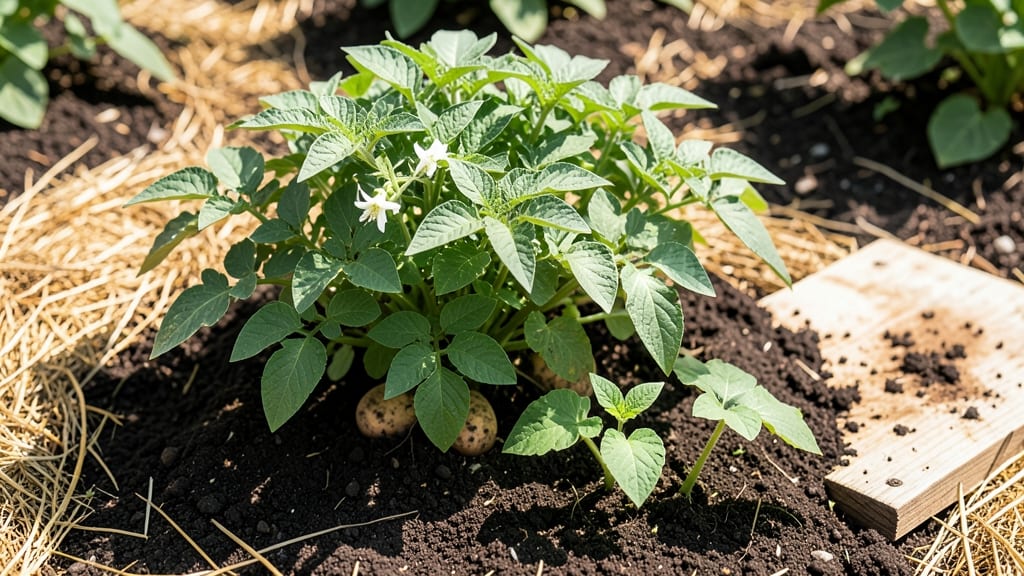
You should not plant squash and potatoes together because these vegetables have conflicting growth patterns and pest vulnerabilities. Squash vines sprawl rapidly, blocking sunlight from potatoes, while potatoes attract beetles that also harm squash plants.
Planting squash and potatoes together creates a high-risk scenario for both crops. 🌱 The sprawling squash vines compete directly with potatoes for sunlight and nutrients, often smothering the tuber crops before they mature.
Even more problematic are the shared pests—potatoes draw Colorado potato beetles, which will happily munch on squash leaves too. This combination turns what should be a productive garden into a battleground where neither plant thrives.
Instead of risking poor yields, I recommend separating these crops by at least 10 feet or using raised beds with different soil layers. This way, you can still grow both in the same garden without them interfering with each other's growth or pest management needs.
💡 In This Article
- Why Squash and Potatoes Are Poor Garden Companions
- Best Alternatives for Planting Near Squash or Potatoes
Why squash and potatoes are poor garden companions
Squash and potatoes clash in the garden because their growth habits are fundamentally incompatible. Squash vines—especially summer varieties like zucchini—can spread 10-15 feet in a single season, creating an impenetrable shade canopy that blocks 70-80% of sunlight from reaching potatoes below.
This shade stress causes potatoes to produce smaller, misshapen tubers with lower starch content, making them less ideal for storage or cooking. The vines also compete aggressively for nitrogen, with squash absorbing 3-4 times more than potatoes, leaving the tubers nutrient-starved.
The pest problem is even more critical. Potatoes act like a magnet for Colorado potato beetles, which lay eggs on the foliage that hatch into voracious larvae. These same beetles will devour squash leaves, creating a vicious cycle where both crops suffer.
Even worse, squash attracts cucumber beetles—pests that spread bacterial wilt, a disease that can infect potatoes through contaminated soil or tools. The shared soil environment turns a simple planting decision into a biological minefield where diseases and insects spread effortlessly between the two crops.
Disease transfer is another hidden risk. Both squash and potatoes are susceptible to verticillium wilt, a soil-borne fungus that thrives in warm conditions. When planted together, infected soil from one crop can easily contaminate the other, leading to wilting vines in squash and stunted growth in potatoes.
The fungal spores linger in the soil for years, making future plantings of either crop in the same spot particularly risky. This is why experienced gardeners treat these vegetables like separate ecosystems rather than compatible neighbors.
Even their root systems conflict. Potatoes develop deep, fibrous roots that spread horizontally, while squash roots stay more shallow but spread widely. This creates a tangled underground competition where both crops struggle to access water and nutrients.
In drought conditions, the squash vines will outcompete potatoes for moisture, leaving the tubers shriveled and unusable. The result? A garden bed that looks lush on top but produces poor-quality harvests beneath the surface.
Consider this real-world example: In a 2018 University of Maine study, garden plots with squash and potatoes planted 3 feet apart showed a 40% yield reduction in potatoes due to shading alone.
When Colorado potato beetles were introduced, the squash yield dropped by 25% as the beetles shifted focus from potatoes to the more tender squash leaves. The moral? These two vegetables don't just compete—they actively undermine each other's growth potential.
What most gardeners overlook is how their physical presence affects soil structure. Squash vines compact the soil as they sprawl, making it harder for potatoes to develop properly. The heavy foliage also creates microclimates that trap moisture, increasing the risk of fungal diseases like late blight in potatoes.
It's not just about space—it's about creating an environment where both plants can thrive independently rather than battling for dominance.