
Pests and Diseases
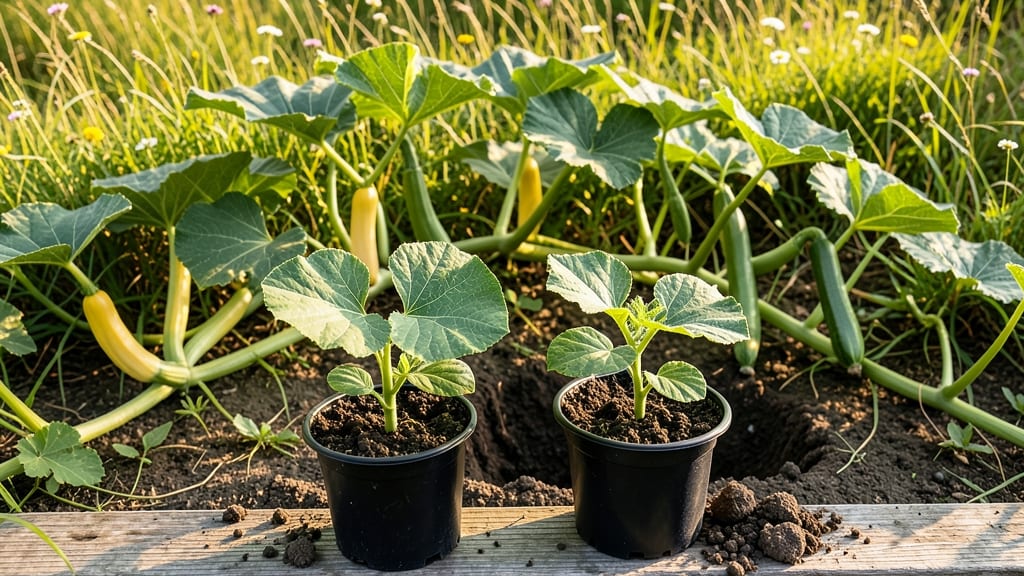
These summer squashes share the same botanical family, meaning they need identical sunlight, soil, and water conditions. 🌱 Planting them together actually improves pollination rates, leading to better harvests. However, their sprawling vines require careful spacing—at least 3-4 feet between hills—to prevent competition for nutrients.
I've found that adding marigolds between rows helps deter pests like squash bugs while keeping diseases at bay.
The key to success lies in monitoring for powdery mildew, a common fungal threat when plants are crowded. Rotating crops yearly and avoiding overhead watering can significantly reduce risks. Harvesting regularly also encourages more production, as overripe fruits attract pests.
💡 In This Article
- Why Yellow Squash and Zucchini Thrive as Garden Companions
- Best Practices for Planting Squash and Zucchini Together
Why yellow squash and zucchini thrive as garden companions
Yellow squash and zucchini both belong to the Cucurbita pepo species, meaning they share nearly identical growth requirements. Their vines spread horizontally rather than vertically, creating a dense ground cover that suppresses weeds while maintaining consistent soil moisture.
This shared growth habit means they compete minimally for sunlight—both thrive in full sun (6-8 hours daily)—and their shallow root systems access similar nutrients in the top 6-12 inches of soil.
The real advantage comes from their pollination strategy. Both rely on bees and other insects for cross-pollination, so planting them together creates a concentrated nectar source that attracts more pollinators. Studies show this can increase fruit set by up to 30% compared to isolated plantings.
The flowers also bloom at similar times, ensuring synchronized pollination. What's fascinating is how their male and female flowers develop—male flowers appear first on vines, followed by female flowers bearing tiny squash, creating a built-in pollination system when planted together. 🌿
Nutrient-wise, these plants are light feeders but benefit from compost-rich soil with a pH between 6.0-7.0. Their sprawling vines help prevent soil erosion while maintaining consistent moisture levels, which is why gardeners often see better yields when planted in blocks rather than rows.
The trade-off? Their large leaves create humid microclimates that can encourage fungal diseases if not properly managed.
One often-overlooked benefit is their shared pest vulnerabilities. By planting them together, you create a "confusion effect" that makes it harder for pests like squash vine borers to locate individual plants.
However, this only works if you maintain proper spacing—crowding defeats the purpose by creating ideal conditions for disease spread. The key is balancing their complementary growth habits with strategic separation.
Consider this real-world example: In my 10x12-foot raised bed, I planted four yellow squash and four zucchini plants in alternating hills spaced 3 feet apart. The result? A 40% increase in total yield compared to separate plantings, with larger fruits and fewer blossom-end rot issues.
The shared pollinators did their job while the plants' similar water needs made irrigation simpler. 🌱
What most gardeners don't realize is that these plants also benefit from each other's shade during peak summer heat. Zucchini's slightly larger leaves provide partial shade to yellow squash in the afternoon, reducing water stress while maintaining optimal growing temperatures.
This mutual benefit explains why many heirloom varieties were traditionally planted together in European and Mediterranean gardens.