
Plants
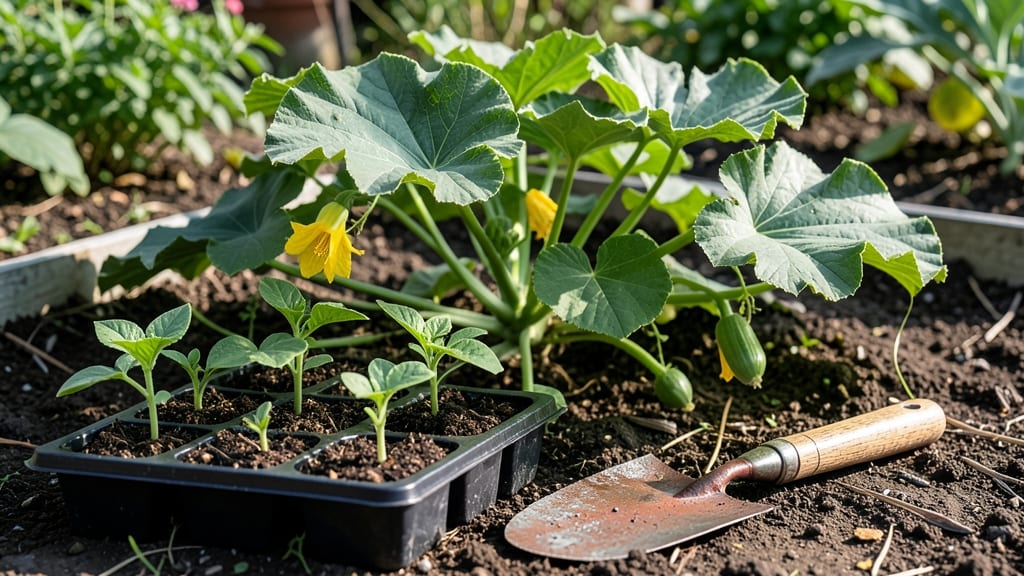
Planting squash in Zone 7 after your last frost is the key to avoiding wilted vines and maximizing your harvest 🎃 — aim for soil temperatures of at least 60°F before you even think about seeds.
If you’ve ever watched your squash seedlings shrivel under a late spring chill or rot in cold, damp soil, you know timing isn’t just about the calendar—it’s about the ground warming up enough to support those hungry roots.
Zone 7 gardeners have two windows: a spring planting after mid-April (once frost risk fades) and a late-summer push for fall varieties. But rush it, and you’ll end up with stunted plants; wait too long, and summer squash won’t have time to mature.
Below, I’ll break down the exact soil temperature triggers, the best varieties for your zone, and how to stretch your growing season with mulch and smart spacing for a bountiful harvest.
Ideal soil temperature for planting squash in Zone 7
Squash seeds need warm soil to germinate, and Zone 7 gardeners often face the challenge of cool spring nights delaying planting. The key threshold is 50°F (10°C) for germination, but your squash won’t thrive until the soil reaches a consistent 60°F (15°C).
This difference matters because cold soil can stunt seedlings, while warm soil encourages vigorous growth. Summer squash (like zucchini) is more forgiving, while winter squash (like butternut) demands perfect timing for optimal yields.
Testing soil temperature is simpler than you think. Use a soil thermometer (insert 2–3 inches deep) in the morning for the most accurate reading. If your thermometer shows below 55°F (13°C), wait a few days—soil warms faster than air temperatures suggest.
Pro tip: Black plastic mulch can raise soil temps by 5–10°F within days, giving you an earlier planting window for heat-loving squash varieties.
Why does soil temperature matter so much for squash? Cold soil slows germination and increases the risk of rot and fungal diseases like damping-off. Seedlings planted in chilly soil often emerge weak and leggy, struggling to compete with weeds.
Worse, summer squash planted too early may bolt (flower prematurely) due to stress, while winter squash needs stable warmth to develop those prized thick rinds.
Here’s how soil temperature affects your squash varieties in Zone 7:
For summer squash, you can push the envelope slightly by planting when soil hits 55°F (13°C), especially if you use row covers to protect seedlings.
However, winter squash varieties like butternut or acorn squash demand that 65°F (18°C) minimum—any cooler, and you’ll risk poor fruit set or deformed squash.
I’ve learned this the hard way: One year, I planted butternut squash in 58°F (14°C) soil, and the vines grew, but the squash never developed proper rinds.
If you’re unsure about your soil’s warmth, try the paper towel test: Dampen a paper towel, place it in a sealed bag with a few squash seeds, and store it near your garden. If seeds sprout in 5–7 days, your soil is likely warm enough.
This trick saved me from waiting weeks for a thermometer reading last spring. Pair this with a minimum thermometer (the kind used for poultry coops) to track overnight lows—squash roots need stability above 50°F (10°C) to avoid shock.
Another critical factor is daylength. In Zone 7, days lengthen rapidly in spring, but squash needs long, warm days (12+ hours of sunlight) to thrive. Planting too early means seedlings may stretch toward light but fail to flower.
I once planted zucchini in early April with 52°F (11°C) soil, and while they germinated, the plants produced tiny, bitter squash because the days were still too short for optimal growth.
For fall-planted squash (like butternut or pumpkins), aim for soil temps of 60°F (15°C) or warmer by late July. These varieties need 90–120 days to mature, so planting in August ensures they’ll reach harvest before the first frost (typically October 15 in Zone 7).
Use black plastic mulch or straw mulch to retain heat and moisture—this can extend your planting window by 1–2 weeks.
Remember: Soil temperature ≠ air temperature. A sunny 70°F (21°C) day can warm soil to 80°F (27°C), while a cloudy day may leave it 10°F cooler.
Check temps in the morning (afternoon soil can be misleadingly warm). If you’re in a microclimate (like a south-facing slope), soil may warm 3–
Best planting windows in Zone 7: direct sowing vs. transplants
In Zone 7, squash planting timing depends on whether you're direct sowing seeds or transplanting seedlings. Both methods have pros and cons, and choosing the right approach can mean the difference between a thriving patch of zucchini and butternut squash and a failed harvest.
Let’s break down the best windows for each method and how to adjust for your specific varieties.
For direct sowing, aim for 2–4 weeks after your last frost date—typically mid-April to early May in Zone 7. This gives the soil time to warm to at least 60°F (15°C), which is critical for germination.
Summer squash varieties like zucchini and yellow crookneck thrive when planted early, while winter squash like butternut or acorn can tolerate slightly cooler soil but still need warmth to establish roots.
The pros cons box below compares direct sowing and transplanting to help you decide which method aligns best with your schedule and growing conditions.
Direct Sowing vs. Transplanting Squash in Zone 7
- Pros: Hardier seedlings, no transplant shock
- Cons: Slower germination in cool soil
- Pros: Faster harvest, better for late varieties
- Cons: Risk of transplant shock if not hardened off
- Direct Sow: Mid-April–early May (after last frost)
- Transplant: Late May–early June (soil at 60°F+)
If you opt for transplanting, start seeds indoors 3–4 weeks before your last frost (around early April in Zone 7) and harden them off before setting them out. This method works well for winter squash varieties, which have longer growing seasons and benefit from a head start.
However, be cautious—transplants can struggle if the soil isn’t warm enough or if they’re not acclimated properly.
For early varieties like zucchini, direct sowing in late spring is ideal. These fast growers (ready in 45–55 days) thrive when planted as soon as the soil warms.
In contrast, butternut squash, which takes 70–90 days to mature, benefits from transplanting to maximize its growing season before the first frost in October.
Adjust your planting window based on your last frost date and the specific variety. In Zone 7, you can even squeeze in a fall crop of summer squash by planting seeds in late July. Just monitor soil temperatures closely—fall-planted squash needs to establish roots before cooler weather sets in.