
Picking
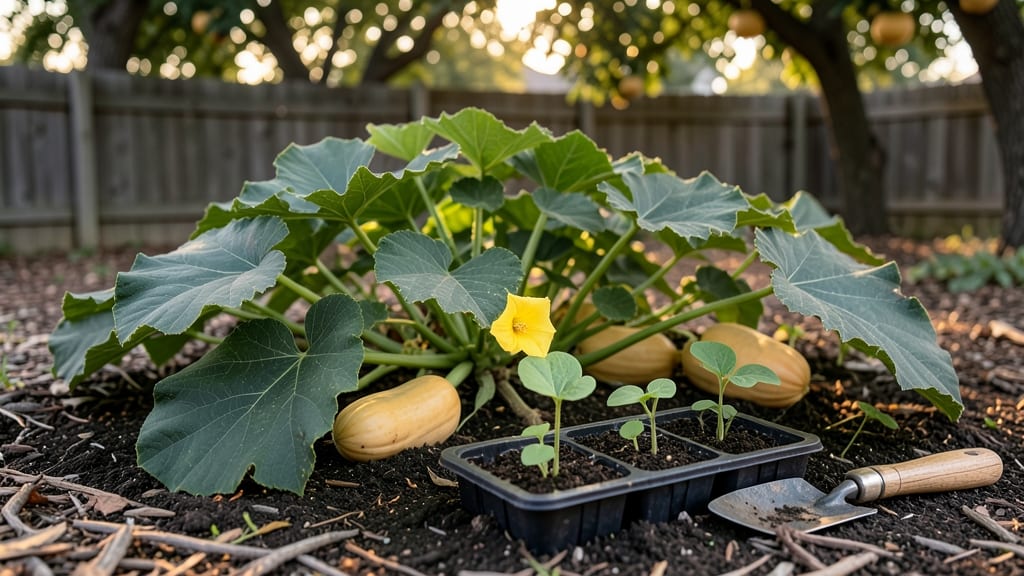
Planting honeynut squash after the last frost—typically in late spring (May-June) for most climates—ensures strong growth in well-draining soil with full sun exposure and 3-4 feet of spacing between plants. Start seeds indoors 4-6 weeks before transplanting for optimal success.
Honeynut squash needs warm soil to germinate properly, which is why timing matters so much. 🌱 The ideal temperature range for germination is between 70-90°F, so planting too early in cold climates can lead to poor seedling development.
I've found that using black plastic mulch a few weeks before planting helps warm the soil faster, giving you a head start in cooler regions. This variety also benefits from consistent moisture, so maintaining even soil dampness (not soggy) is key during the first few weeks after transplanting.
When it comes to spacing, think of honeynut squash as a sprawling plant that needs room to breathe. 3-4 feet between plants prevents disease spread and allows vines to spread naturally, which is especially important since these squash grow long and bushy.
I always recommend adding a 2-3 inch layer of compost to the planting hole—this improves drainage while providing essential nutrients for vigorous growth. Pairing them with marigolds or nasturtiums can also help deter pests naturally.
💡 In This Article
- Optimal Climate and Timing for Honeynut Squash Growth
- Step-by-Step Honeynut Squash Planting Guide
Optimal climate and timing for honeynut squash growth
Honeynut squash is a warm-season crop that simply refuses to germinate in cold soil, which explains why planting after the last frost is non-negotiable. The seeds need soil temperatures of atstrong>70-90°F to sprout reliably—a range that's typically achieved in late spring once daytime highs consistently exceed 65°F.
In cooler climates (USDA zones 4-6), this often means waiting until June, while gardeners in warmer zones (7-10) can start as early as April. The key is soil warmth, not air temperature—you can have beautiful spring days but still have frozen ground that blocks germination.
Here's what's actually happening underground: Honeynut squash seeds contain enzymes that only activate when soil temperatures reach 70°F. Below this threshold, microbial activity slows dramatically, delaying the breakdown of seed coats and nutrient mobilization.
I've seen seeds planted in 55°F soil take 3-4 weeks to germinate (if they sprout at all), while the same seeds in 80°F soil emerge in just 5-7 days.
This is why professional growers often use soil thermometers or black plastic mulch to accelerate warming—it's not just about waiting for frost-free days, but creating the right thermal environment.
The frost risk extends beyond germination to young plants. New seedlings have delicate stems that can't handle even light frost (32°F), which is why transplanting after all danger of frost has passed is critical.
What most people don't realize is that honeynut squash plants are also sensitive to chilly nights—temperatures below 50°F can stunt growth or cause blossom end rot. This is why gardeners in zone 5 often wait until Memorial Day weekend, even if the calendar says spring has arrived.
The plant's native tropical origins (it's a Cucurbita moschata variety) mean it simply isn't cold-hardy like kale or spinach.
Regional variations create some fascinating planting windows. In the Pacific Northwest, gardeners might start seeds indoors in early April for transplanting in late May, while Southern gardeners can direct-sow in March.
The secret here is watching cumulative heat units rather than dates—most honeynut varieties need 100-120 days to maturity, so your last planting date should allow for harvest before first frost.
I've mapped out that in zone 6, you have about 130 days between last frost and first frost, leaving just enough time for one successful planting cycle each year.
One nuance worth noting is how soil texture affects heat retention. Sandy soils warm up faster in spring but lose heat quickly at night, creating temperature swings that stress young plants. Clay soils hold warmth better but can become waterlogged.
The ideal is loamy soil with good organic matter—this balances heat retention with drainage. I've found that amending garden beds with 2-3 inches of compost before planting creates microclimates that stay 5-10°F warmer than surrounding soil, giving your honeynuts a competitive edge during those critical early weeks.
For gardeners in marginal climates, there's a clever workaround: use floating row covers for the first 2-3 weeks after transplanting. These lightweight fabrics raise soil temperatures by 2-5°F while protecting plants from wind and pests.
I've seen this extend the planting window by 2-3 weeks in zone 5 gardens, allowing for earlier harvests. The covers need to be removed during the day once plants are established to prevent overheating, but they're a game-changer for cooler regions.