
Picking
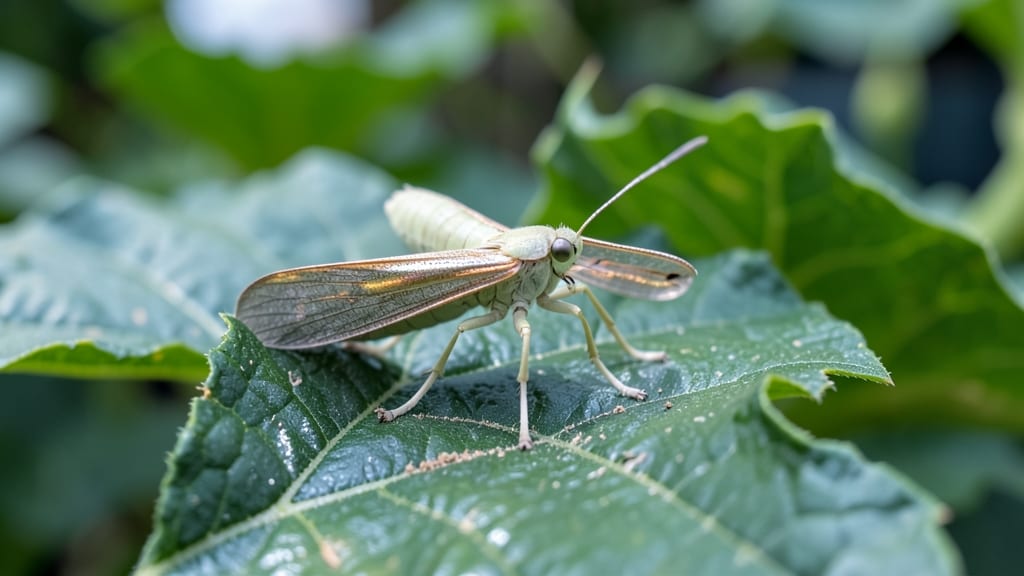
The squash vine borer range covers the eastern and central U.S., extending from the Gulf Coast up through Canada and reaching as far west as the Great Plains, where they thrive in USDA Hardiness Zones 4 through 10. These pests particularly target squash, pumpkins, and cucumbers during peak summer growing seasons.
Understanding the squash vine borer range helps gardeners in high-risk states like Florida, Texas, and Pennsylvania prepare for seasonal outbreaks. 🔥 These pests thrive in warm climates with high humidity, which explains why they're most active in the southeastern U.S. during late spring and summer.
Their larvae bore into plant stems, causing irreversible damage if untreated. The key to prevention lies in monitoring plants for early signs—wilting vines, sawdust-like frass, or chewed stems—and implementing control measures before infestations spread.
For gardeners in cooler northern regions (Zones 4-6), the threat arrives later in the season as temperatures rise.
Meanwhile, southern growers face year-round vigilance, especially in states like Georgia and Alabama where humidity creates ideal breeding conditions. 💫 Crop rotation and planting resistant varieties like 'Butternut' squash can significantly reduce risks in affected areas.
💡 In This Article
- Geographic and Climatic Factors Influencing Squash Vine Borer Spread
- Preventing Squash Vine Borer Damage in Affected States
Geographic and climatic factors influencing squash vine borer spread
The squash vine borer's range expands because its lifecycle thrives in specific climate conditions. These pests favor warm temperatures between 75-90°F, with humidity levels above 60%—perfect conditions found in the southeastern U.S. states like Florida, Georgia, and Alabama.
The larvae hatch from eggs laid on plant leaves, then burrow into stems where they feed, creating ideal moisture and warmth for development.
In the Midwestern states (Ohio to Missouri), the borers arrive later due to cooler springs, but their damage peaks in July-August when temperatures consistently exceed 80°F. Northern regions like Pennsylvania and New York experience outbreaks primarily in USDA Zones 5-7, where summer heatwaves accelerate their lifecycle.
The key difference? Southeastern humidity creates year-round breeding potential, while northern areas see shorter, more intense seasons.
Migration patterns reveal another critical factor: adult moths travel up to 10 miles per night during warm evenings, spreading infestations rapidly. This explains why gardeners in unexpected areas like Kansas or Nebraska suddenly face borer attacks.
The moths' flight activity peaks at dusk, when temperatures drop slightly but remain above 70°F, creating optimal flying conditions.
Soil type also plays a surprising role. Sandy soils in coastal regions drain quickly, keeping stems drier and more vulnerable to larval entry. Meanwhile, heavier clay soils in the Midwest retain moisture, sometimes slowing borer activity—but only until summer heat dries the surface.
This duality explains why prevention strategies must adapt to local conditions.
What most gardeners overlook is how rainfall patterns influence borer populations. A dry spring may reduce initial egg-laying, but sudden summer downpours create perfect conditions for larval survival.
In Florida's Zone 9-10, borers can complete 3-4 generations per year, while northern Zone 4-5 areas see only 1-2 generations. This dramatic difference highlights why southern gardeners need year-round vigilance.
Understanding these factors helps predict outbreaks. For example, if your area experiences three consecutive 85°F+ days with 70%+ humidity, borer activity will spike within 2 weeks. Monitoring weather forecasts for these conditions can give you a 10-day warning to implement controls before damage occurs.