
Planting
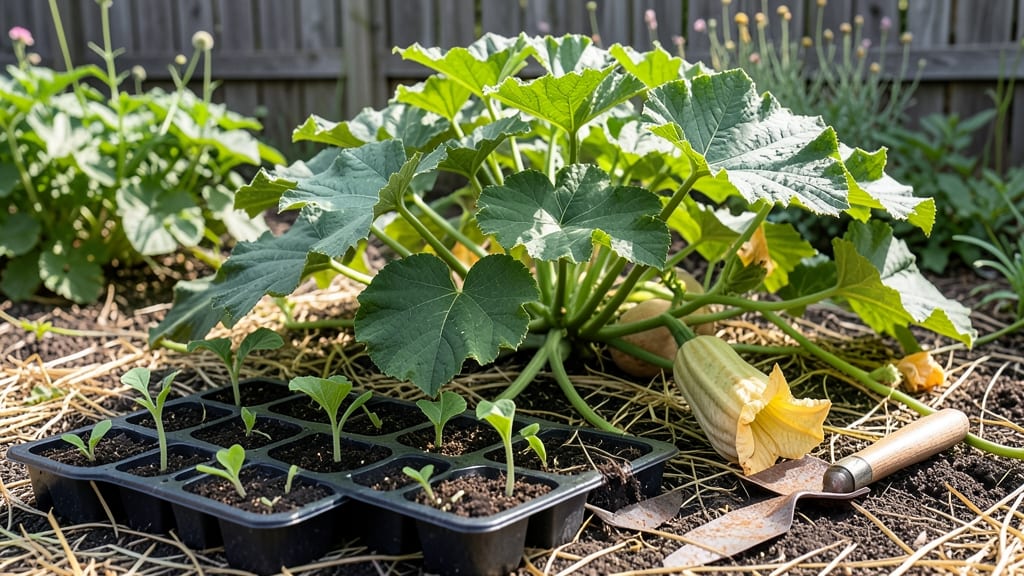
Timing your butternut squash planting season right means the difference between a bountiful harvest and wasted effort—especially when soil temperatures trigger faster germination.
If you’ve ever struggled with slow butternut squash 🎃 germination, the secret might lie in understanding the perfect soil temperature—and planting at the right time can mean the difference between a thriving harvest and wasted effort.
This warm-season crop thrives in USDA Zone 6a and beyond, but getting the timing wrong can leave you with stunted plants or no harvest at all. The ideal window runs from April 15 to May 15, just after the last frost, when soil reaches at least 60°F.
Below, I’ll break down the exact soil temps for fast germination, how to adjust for your region, and whether seeds or seedlings give you the edge—so you can skip the guesswork and plant with confidence.

Optimal soil temperature for butternut squash germination: exact degrees & timing
Butternut squash thrives when planted in warm soil, but many gardeners struggle with slow germination because they don't know the exact temperature range needed. Seeds need soil between 50°F and 95°F for best results, with 70°F–85°F being the sweet spot.
Planting too early in cold soil can delay sprouting by weeks, while overheated soil may cause seeds to rot.
In my experience, the fastest germination occurs when soil reaches 75°F–80°F. This typically aligns with late spring after the last frost, but exact timing varies by USDA hardiness zone.
For example, Zone 5 gardeners should wait until mid-May, while Zone 8 can start as early as March. Always check your local frost dates and soil conditions.
Here’s how to test soil warmth before planting: Use a soil thermometer (available for $10–$15) to measure temperature at a 2-inch depth. If it’s below 60°F, your seeds may not sprout at all.
For faster results, try black plastic mulch or a seedling heat mat to warm the soil by 5–10°F.
| Soil Temp (°F) | Germination Speed | Best Planting Time | USDA Zones |
|---|---|---|---|
| 50–59°F | Very Slow (3+ weeks) | Early spring (Zone 9–10) | 9–10 |
| 60–69°F | Slow (2–3 weeks) | Late spring (Zone 7–8) | 7–8 |
| 70–85°F | Fast (5–10 days) | Ideal (Zone 5–6) | 5–6 |
| 86–95°F | Moderate (10–14 days) | Summer (Zone 3–4) | 3–4 |
*Use a soil thermometer for accuracy—visual cues like condensation aren’t reliable.
If you’re in a cooler climate, consider starting seeds indoors 4–6 weeks before the last frost. Use biodegradable pots and transplant seedlings when soil reaches at least 65°F. Hardening off seedlings for 7–10 days before transplanting reduces shock and improves survival rates.
For direct sowing outdoors, aim for a 2-week window after your last frost date when soil is consistently warm. In my garden, I mark the calendar for May 1–15 in Zone 5, but I always double-check soil temps.
Pro tip: Plant seeds in warmth traps like black plastic bags or buried cans to speed up germination.
Overheated soil above 95°F can kill seeds, so avoid planting during heatwaves. If your area experiences 100°F+ soil, wait until evening to sow seeds or use shade cloth to protect them. Mulching with straw after planting helps maintain consistent moisture and temperature.
Regional timing varies widely: In Zone 10, you can plant as early as February, while Zone 3 gardeners should wait until June. Always align your planting with local frost-free days—butternut squash needs 90–110 days to mature, so count backward from your first frost date.
To maximize success, I recommend testing soil temps for 3 consecutive days before planting. If temps fluctuate wildly, opt for transplants instead of seeds. Seedlings are more resilient to temperature swings and give you a head start on the growing season.
Remember, patience is key—butternut squash seeds can take up to 3 weeks to sprout in cool soil. If you’ve planted and nothing emerges after 21 days, the seeds may have rotted due to too much moisture or cold. Try again with warmer soil or a different planting method.
🌱
How to extend butternut squash planting season in cold climates
Cold climates can shorten your butternut squash harvest, but with the right strategies, you can push your planting season well into fall. The key is understanding your last frost date and using protective methods to safeguard young plants.
Even in USDA Zone 4, you can extend your growing window by 4–6 weeks with simple techniques.
Start by calculating your last frost date—this is your baseline for planting. Butternut squash needs a long growing season (typically 90–110 days to maturity), so you’ll need to plant early or use season-extending tools.
For example, in Zone 5, aim to have seedlings ready by early May to ensure a harvest before the first frost in October.
⚠️ callout tip
One of the most effective methods is succession planting. Instead of planting all your seeds at once, stagger them every 2–3 weeks after your initial planting. This ensures a continuous harvest and reduces the risk of losing your entire crop to late-season frost.
For instance, if your last frost is May 15, plant a batch on May 15, another on June 1, and a final batch on June 15.
For extra protection, use black plastic mulch to warm the soil and retain moisture. This method can raise soil temperatures by 5–15°F, creating a microclimate that mimics warmer conditions.
Pair it with a floating row cover during cool nights to shield young plants from frost. Always remove covers during the day to allow pollination if growing from flowers.
Another trick is to start seeds indoors 4–6 weeks before your last frost date and transplant them outdoors once the soil reaches 60°F. Use biodegradable pots to avoid disturbing roots during transplanting.
Harden off seedlings by gradually exposing them to outdoor conditions over 7–10 days to reduce shock and improve survival rates.
Finally, choose cold-hardy varieties like 'Winter Luxury' or 'Sugar Loaf' if you're pushing your limits. These varieties tolerate cooler temperatures better than standard butternut squash and can extend your harvest by 2–3 weeks.
Always monitor weather forecasts and be ready to cover plants with frost cloth if an unexpected freeze is predicted.