
Plants
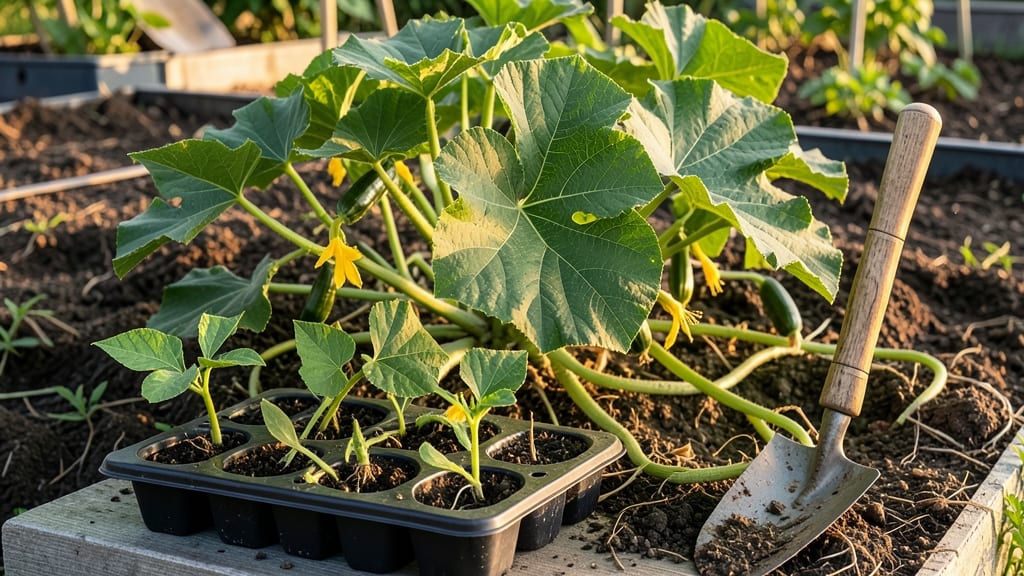
Planting squash in Ohio after the last frost — typically late April to early June — sets the stage for a bumper harvest 🎃.
Ohio’s unpredictable spring weather can make squash planting a gamble—get the timing wrong, and your vines might bolt or fail entirely. But with the right frost-free timeline and soil temperature guide, you can maximize your harvest and avoid common gardening mistakes.
Most Ohio gardeners wait until the soil warms to at least 60°F, which usually aligns with mid-May in USDA Zone 6a. That’s when seeds germinate reliably, and seedlings thrive without the risk of frost damage.
Here’s how to time it perfectly: when to prep the soil, how to check for frost safety, and the best squash varieties for Ohio’s climate—plus tips to extend your harvest through fall.
Ohio squash planting timeline: frost dates & last spring frost averages by region
Ohio’s frost dates vary dramatically from the southern border near Kentucky to the northern tier near Lake Erie. For squash, timing is everything—plant too early, and frost will kill tender seedlings; too late, and you’ll miss the 60-90 day growing window for most varieties.
Understanding your region’s last spring frost averages ensures a bountiful harvest.
Northern Ohio (USDA Zones 5a-5b, e.g., Cleveland, Toledo) typically sees its last spring frost between May 5-15. Southern Ohio (Zones 6a-6b, e.g., Cincinnati, Columbus) averages April 15-30.
These dates mark the minimum safe planting window, but soil temperature plays an equally critical role in seed germination.
To pinpoint your exact planting date, check local weather data from NOAA’s Climate Normals or your county extension office. For example, Toledo’s frost-free window often opens by May 10, while Columbus’s may begin as early as April 25.
Always wait 2-3 weeks after the average last frost to account for late-season cold snaps.
For summer squash varieties like zucchini or yellow squash, aim to plant 1-2 weeks after your region’s last frost date.
These fast-maturing crops (ready in 45-55 days) benefit from early starts. Winter squash (e.g., butternut, acorn) need 80-100 days to mature, so plant them 3-4 weeks after the last frost for a late-season harvest.
If you’re starting squash indoors for transplanting, begin seeds 3-4 weeks before your region’s last frost date. Use biodegradable pots to avoid root disturbance when moving seedlings outdoors. Harden off seedlings by exposing them to outdoor conditions gradually over 7-10 days before transplanting.
For gardeners in microclimates (e.g., valleys or urban heat islands), adjust planting dates by 1-2 weeks earlier. These areas warm up faster and may experience earlier last frosts. Conversely, higher elevations or northern exposures can delay planting by 10-14 days.
Use row covers or black plastic mulch to extend your planting window by 2-3 weeks earlier in spring or 2-4 weeks later in fall. These tools create a warmer microclimate and protect young plants from late frosts. Always remove covers once flowers appear to allow pollination by bees.
Monitor your local Almanac’s Frost Predictor or sign up for free alerts from your county extension service. For example, the Ohio State University Extension provides hyper-local frost forecasts tailored to your ZIP code.
Pro tip: Plant a test row of fast-maturing varieties (like 8-ball zucchini) 1-2 weeks before your target date to gauge soil readiness.
Remember, soil temperature is just as critical as air temperature. Squash seeds won’t germinate until the soil reaches 60°F. Use a soil thermometer to confirm warmth before planting. If temperatures are too cool, try black plastic
Soil temperature & squash seed germination: what Ohio gardeners must know
Squash seeds are sensitive to cold soil, and planting too early can leave them sitting in damp, chilly earth for weeks—leading to rot or failed germination. In Ohio, where spring temperatures fluctuate wildly, soil temperature is just as critical as frost dates.
Most squash varieties won’t sprout until the soil reaches a steady 60°F or warmer, which typically aligns with late May in most of the state.
Testing your soil’s warmth is simple: use a soil thermometer (available for under $10) or press your hand into the ground.
If it feels cooler than your wrist, the soil isn’t ready. Direct-seeding squash too soon often results in slow, uneven growth, while transplanting seedlings into cold soil can shock their roots and stunt development.
If your soil is still below 60°F by late May, don’t panic—there are ways to warm it up faster.
Lay down a layer of black plastic mulch 1-2 weeks before planting; it absorbs sunlight and raises soil temps by 5-10°F. For a quicker fix, use row covers or even a clear plastic tunnel to trap heat while protecting seedlings from late frosts.
Another trick is to start squash seeds indoors under grow lights 3-4 weeks before your target outdoor date. Transplant seedlings into the garden when soil temps hit 60°F and nighttime temps stay above 50°F.
Harden off seedlings gradually by placing them outdoors in partial shade for a few hours daily before full exposure.
Watch for signs of cold stress, like yellowing leaves or stunted growth, which mean your plants are struggling. If this happens, add a lightweight row cover during the coolest part of the day to shield them while still allowing sunlight.
Remember, squash thrives on warmth—once your soil hits that 60°F threshold, germination should occur within 7-14 days.
For Ohio gardeners, timing is everything. By combining soil temperature checks with frost-free date tracking, you’ll give your squash the best possible start. And if all else fails, consider container gardening with heat-loving varieties like zucchini or butternut squash—they’ll appreciate the extra warmth from pots.