
Vegetables
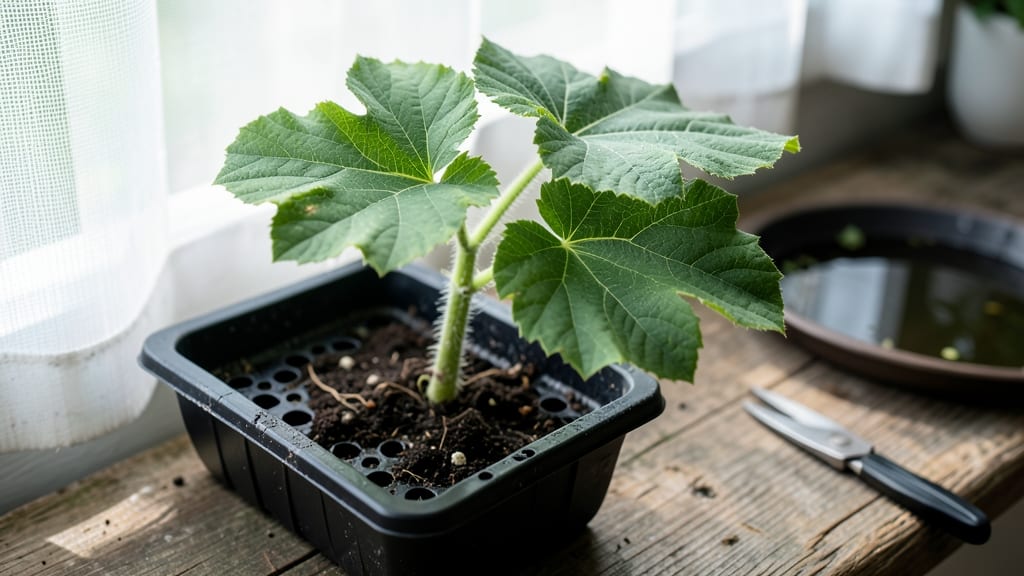
Starting squash indoors is possible but risky due to their sensitivity to transplant shock; use biodegradable pots, harden off seedlings for 7–10 days, and plant only after soil reaches 60°F+ to ensure survival and strong growth. Choose bush varieties for easier transition.
You can absolutely begin squash seeds indoors, but the key lies in choosing the right approach to minimize transplant shock. 🌱 Unlike hardier vegetables, squash plants have delicate root systems that struggle when moved, especially if they've been cooped up indoors.
The trick is to mimic outdoor conditions as closely as possible—using biodegradable pots eliminates root disturbance later, while gradual hardening (7–10 days of outdoor exposure) toughens seedlings before they face the elements.
I've found that bush varieties like 'Eight Ball' or 'Sweet Dumpling' handle this transition far better than vining types, which are more fragile.
Timing matters just as much as technique. Waiting until soil warms to 60°F+ prevents cold-sensitive squash from stunting, while providing 12+ hours of bright light daily indoors prevents leggy, weak seedlings.
Many gardeners skip indoor starting altogether and opt for direct sowing after frost, but if you're in a short-season zone or want a head start, these methods can work—just be prepared for some trial and error.
💡 In This Article
- Why Squash Struggles with Indoor Transplanting
- Best Squash Varieties and Techniques for Indoor Starts
Why squash struggles with indoor transplanting
Squash plants have a fundamental biological weakness that makes indoor starting particularly challenging: their fibrous, shallow root systems. Unlike carrots or radishes, which develop long taproots, squash roots spread horizontally just below the soil surface.
When you transplant seedlings, these delicate roots get damaged, triggering a stress response that can stunt growth or even kill the plant. 🌱 This is why professional growers often recommend direct sowing—it eliminates the transplant shock entirely.
The ideal germination temperature for squash seeds is 80–90°F, which most indoor environments simply can't maintain consistently. Many homes hover around 70°F during the day and dip at night, causing uneven germination.
Even if seeds sprout, the resulting seedlings grow slowly and become leggy (tall and weak) due to insufficient light—a common indoor lighting issue. Unlike leafy greens that tolerate lower light, squash seedlings need 12+ hours of bright light daily to develop properly.
Humidity also plays a critical role. Squash thrives in high humidity (70–80%), but most homes maintain levels between 30–50%—especially in dry climates. Low humidity causes seedlings to dry out quickly, making them more susceptible to disease and stress.
The combination of poor lighting, inconsistent temperatures, and dry air creates a perfect storm for weak, underdeveloped seedlings that rarely survive transplanting. 💫
Another key factor is the plant's natural growth rhythm. Squash is a warm-season crop that relies on consistent warmth to trigger flowering and fruiting. When started indoors, seedlings may experience false starts—growing leaves but failing to flower properly—because they haven't received the cumulative heat exposure needed.
This is why many gardeners in cooler climates opt to wait until soil temperatures reach 60°F+ before planting, even if it means starting later in the season.
Even with perfect indoor conditions, squash seedlings face an additional challenge: their rapid growth rate. Once they break through the soil, squash plants grow quickly, outpacing their ability to develop strong root systems in confined pots.
This creates a vicious cycle—weak roots mean poor nutrient uptake, which leads to even weaker growth. The solution? Using biodegradable pots and keeping seedlings in larger containers until transplanting to encourage root expansion. 🌿