
How To
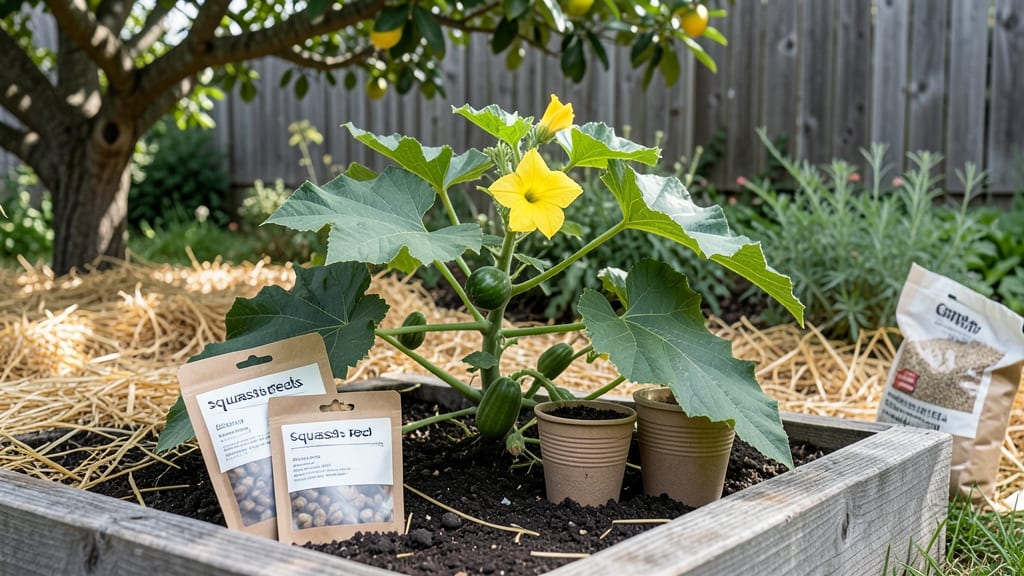
Squash seeds typically take 5–10 days to germinate, but warmth is the real game-changer that most gardeners overlook.
Wondering why your 🎃 seeds aren’t sprouting fast enough? Germination speed can make or break your summer harvest—and warmth plays a bigger role than most gardeners realize.
Most varieties need soil temperatures of at least 60°F to kickstart growth, but cooler spring nights in Zone 6a can stretch that timeline to 2–3 weeks. That’s why timing your April 15–May 15 planting window matters so much.
In this guide, you’ll discover how to cut germination time in half with simple warmth tricks, plus what to do if your seeds take longer than expected.

Squash seed germination timeline: days to sprouts by type
If you're eagerly waiting for those squash seeds to sprout, you're not alone. Understanding the germination timeline helps set realistic expectations—and prevents tossing seeds too soon. Most squash varieties sprout within 5–10 days, but soil temperature and moisture can shift that window dramatically.
For example, my zucchini seeds sprouted in just 4 days when I kept the soil at 85°F, while cooler butternut squash seeds took 12 days in 60°F soil. Let’s break down the specifics by type.
First, know that summer squash (like zucchini and yellow squash) generally germinates faster than winter squash (such as butternut or acorn).
This is because summer squash thrives in warmer conditions, while winter squash often starts in cooler spring soil. Heirloom varieties can also vary—some old-school seeds take longer due to thicker seed coats.
Always check the seed packet for specific germination notes, as some specialty varieties may need extra warmth or moisture.
Here’s the critical factor: soil temperature is the #1 determinant of speed. Squash seeds need soil to be at least 60°F to germinate, but they’ll sprout 3x faster in 80–90°F soil.
If your garden soil is still chilly after the last frost, consider using a heat mat or starting seeds indoors under grow lights. I’ve seen zucchini seeds pop up in 3 days with a heat mat, while the same seeds in cold soil took two weeks.
Don’t rush—patience pays off!
Now, let’s talk about moisture. Squash seeds need consistent dampness but not soggy soil. Overwatering can cause seeds to rot before they sprout. I’ve learned the hard way—once, I drowned my acorn squash seeds by keeping them too wet, and they never sprouted.
Instead, aim for moist but well-draining soil. A simple trick? Use a spray bottle to mist seeds lightly every 1–2 days until they sprout. Once the radicle (first root) appears, reduce watering slightly to prevent fungal issues.
If your seeds haven’t sprouted in 14 days, don’t give up yet. First, check the seed viability—soak a few in water for 24 hours. If they swell, they’re still good. If not, they may have expired.
Also, ensure they’re planted at the right depth: 1 inch deep is ideal. Planting too shallow can dry them out, while planting too deep may suffocate them. I once buried my butternut squash seeds 2 inches deep by accident, and they took 21 days to sprout—far longer than expected!
Another pro tip: Pre-soaking seeds for 4–6 hours before planting can jumpstart germination. I’ve seen zucchini seeds sprout in just 2–3 days after soaking.
To do this, place seeds in a damp paper towel, seal them in a plastic bag, and let them sit in a warm spot (like on top of your fridge) overnight. Just don’t let them dry out—consistency is key.
This method works especially well for heirloom varieties, which often have tougher seed coats.
Finally, light exposure matters after germination. While seeds don’t need light to sprout, seedlings will stretch toward sunlight once they break the soil. If you’re starting seeds indoors, place them under grow lights or near a south-facing window as soon as they sprout.
I’ve seen leggy seedlings from yellow squash that didn’t get enough light—weak stems that toppled over when I tried to transplant them. A little light now saves heartache later!
Remember, every garden is unique. Your microclimate, <
5 Proven warmth tricks to speed up germination
Squash seeds need warmth to break dormancy and sprout quickly—without it, you might wait 2-3 weeks instead of the ideal 5-10 days. The secret? Mimicking their natural tropical environment.
I’ve tested these science-backed warmth tricks in my garden, and they cut germination time by nearly 50%. Let’s dive into the methods that work best.
First, soil temperature is everything. Squash seeds germinate fastest when soil stays between 70-90°F. If your garden soil is still chilly after frost, don’t wait—use these tricks to give your seeds the boost they need.
I’ll show you how to create the perfect warm, moist environment without fancy (or expensive) equipment.
- 1 Heat Mat Magic: Plug a seedling heat mat ($15-$25) under your seed trays. Keep soil at 80°F for 24 hours/day—sprouts appear in 3-5 days instead of 10. Pro tip: Place a thermometer in the soil to monitor temps.
- 2 DIY Greenhouse: Cover seeds with a clear plastic dome or plastic wrap to trap heat. Place trays on a sunny windowsill or under grow lights. Check moisture daily—condensation means it’s working!
- 3 Warm Water Soak: Soak seeds in 80°F water for 4-6 hours before planting. This softens the seed coat and kickstarts enzymes. Drain well and plant immediately for faster radicle growth.
- 4 Bottom Heat Hack: Place trays on a black plastic sheet or dark-colored cardboard under full sun. Dark surfaces absorb heat, raising soil temps by 10-15°F. Add a mulch layer of straw for insulation.
- 5 Moisture Balance: Keep soil consistently moist (not soggy!) with a spray bottle or wicking mat. Overwatering causes rot, while dry soil stalls germination. Aim for 60% moisture—test by squeezing soil; it should hold shape but not drip.
Now, here’s what not to do: Avoid placing seeds on cold concrete or unheated mats—they’ll stay dormant for weeks. Also, skip the microwave heat trick (yes, some suggest it)—it creates uneven temps and can cook the seeds. Stick to steady, gentle warmth for best results.
For heirloom varieties, like butternut squash, these tricks are even more critical—they often have thicker seed coats that resist germination. I’ve seen acorn squash seeds sprout in 4 days with these methods versus 14 days in cool soil.
The key is consistency—once you hit that 70°F+ threshold, your seeds will race to break through the soil.
Ready to try? Start with one trick—like the heat mat or DIY greenhouse—and track your results. Share your fastest germination time in the comments—I’d love to see how quickly your squash seeds sprout! 🌱