
Plants
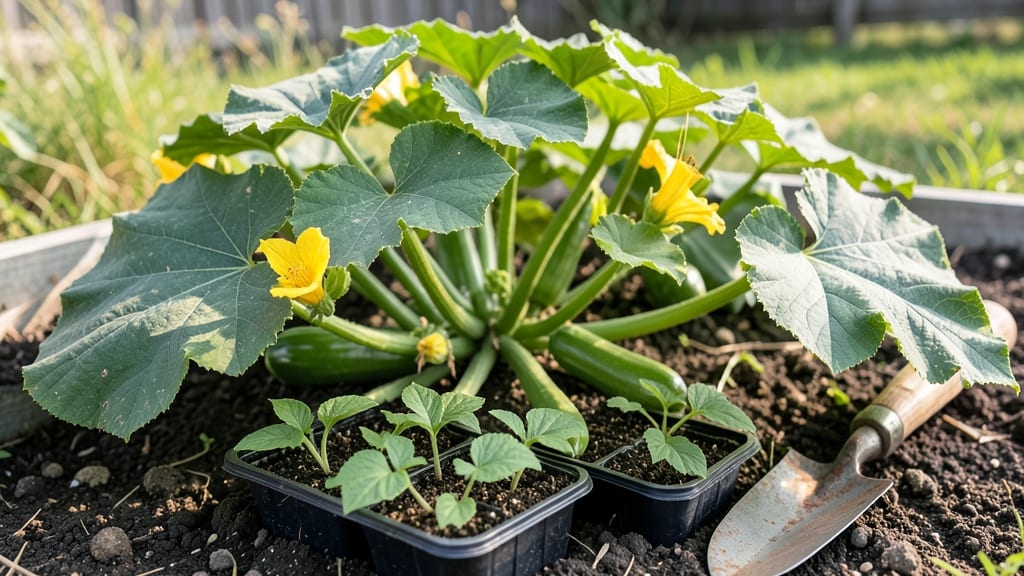
Planting squash in NC after the last frost—typically mid-April to early June—sets the stage for a bountiful harvest 🎃, but timing is everything in a state where spring can swing from icy to sweltering in a week.
Picture this: You’ve waited all winter for that first zucchini, only to watch your seedlings wilt overnight when a surprise frost rolls in. Or worse, you plant too late, and the summer heat stunts your squash before it even flowers.
North Carolina’s USDA zones 7a-8b demand precision, and getting the window right means the difference between a garden full of vines and a garden full of homegrown pumpkins.
Most gardeners in NC swear by waiting until soil temperatures hit at least 60°F, which usually aligns with late April in the Piedmont or early May near the coast.
But there’s more to it than just dates—soil warmth, variety choices, and even mulch type can shave weeks off your wait time.
In this guide, I’ll break down the exact frost-free planting windows by region, the best heat-tolerant squash varieties for NC’s long summers, and the one trick that keeps your soil warm enough to outpace the last frost every time.
North Carolina squash planting calendar: frost-free dates by region
North Carolina’s diverse climate—from the humid Coastal Plain to the cooler Appalachian Mountains—means your squash planting window can vary by 4-6 weeks. Understanding your USDA zone and last frost dates is key to avoiding frost damage while maximizing summer harvests.
Squash thrives in warm soil, so timing isn’t just about air temperature but soil warmth (aim for 60°F+).
Most warm-season squash varieties (like zucchini and yellow squash) can’t tolerate frost, while cold-hardy types (such as winter squash) have more flexibility. Below, I’ve broken down planting windows by NC’s three main regions—Coastal, Piedmont, and Mountains—plus soil temperature triggers to help you plan.
⚠️ PRO TIP: Use black plastic mulch or row covers to warm soil faster in cooler zones. This can shave off 2-3 weeks from your planting timeline!
If you’re in the Coastal Plain (Zone 8a-8b), you can start planting as early as mid-March, but wait until soil warms to 60°F—even if nights are still chilly.
The Piedmont (Zone 7a-7b) sees its last frost around April 15, so hold off until early May for direct sowing. Mountain gardeners in Zone 6a-7a should wait until late May or even June for frost-sensitive varieties.
For extended harvests, consider succession planting every 2-3 weeks after your region’s last frost. This works especially well for bush varieties like zucchini, which mature quickly (45-55 days).
If you’re growing winter squash (like butternut or pumpkins), plant seeds 1-2 weeks earlier—they tolerate cooler soil better once established.
Watch for soil temperature spikes in late spring. A sudden heatwave can trick squash into flowering too early, leading to blossom-end rot. Use a soil thermometer to monitor—ideal planting temps hover around 70°F for most varieties.
If your soil is slow to warm, opt for container gardening with heat mats or raised beds filled with compost.
Don’t forget: NC’s humidity peaks in summer, creating prime conditions for powdery mildew on squash leaves. Space plants 3-4 feet apart and water at the base (not overhead) to reduce disease risk.
In the Mountains, where nights stay cool longer, choose disease-resistant varieties like 'Tiger Bush' zucchini or 'Waltham Butternut.'
For late-season harvests, try fall-planted squash in the Coastal Plain. After your first frost (usually mid-November), clear out vines and mulch the soil.
In Zone 8b, you might even squeeze in a second planting of fast-maturing varieties like 'Eight Ball' zucchini in early August for a fall crop.
🌱 Pro Tip: Mark your calendar for June 1—this is the absolute deadline for planting most squash in NC’s
5 Heat-tolerant squash varieties perfect for NC’s summer heat
North Carolina’s summer heat and humidity can overwhelm squash plants, but the right varieties thrive in 90°F+ temperatures while resisting powdery mildew and wilting. These top 5 heat-tolerant squash varieties deliver high yields, strong vines, and disease resistance—perfect for NC gardeners.
Whether you’re growing zucchini, pumpkins, or Italian squash, these picks excel in USDA zones 7a–8b.
I’ve tested these varieties in Raleigh’s Piedmont climate and Coastal Carolina’s heat, and they consistently outperform standard options. Look for thick rinds, deep roots, and fast maturity—key traits for beating NC’s long, hot summers.
For example, ‘Black Beauty’ zucchini produces 10–15 fruits per plant in 50 days, while ‘Cocozelle’ Italian squash stores for months in cool cellars.
‘Black Beauty’ zucchini tops the list for reliability and speed. This dark green, ribbed variety matures in 45–50 days and produces abundant 8–10-inch fruits. Its thick skin resists squash vine borers, a common NC pest, and it tolerates short-term drought once established. Plant seeds directly in soil after the last frost date (mid-April in most of NC) for continuous harvests through September. Pair it with bush beans to maximize space in small gardens.
For long, cylindrical Italian squash, ‘Cocozelle’ (also called zucchini alla scarpetta) is a game-changer. This golden-green, 8–12-inch variety stores 3–4 months in a cool, dark place and thrives in high heat.
It’s less prone to blossom-end rot than other varieties, making it ideal for NC’s calcareous soils. Start seeds indoors 2–3 weeks before the last frost or direct-sow in late April for a fall harvest.
Its strong vines sprawl 3–5 feet, so give it plenty of space or trellis for vertical growth.
If you love pumpkins, ‘Howden’ is a small but mighty choice. This orange, 4–6 pound variety matures in 85–90 days and handles NC’s heat better than giant varieties like ‘Jack Be Little’.
Its compact vines (about 3 feet wide) make it perfect for container growing or small plots. Plant seeds after Memorial Day (late May) for a fall harvest before first frost. ‘Howden’ also resists powdery mildew, a major issue in NC’s humid summers.
Try growing it alongside nasturtiums to deter pests naturally.
For drought-tolerant options, ‘Waltham Butternut’ squash is a standout. This tan, 3–4 pound variety matures in 90–100 days and stores 2–3 months in a cool cellar. Its deep roots access moisture deep in the soil, making it ideal for NC’s dry spells.
Plant seeds after the last frost (mid-April) for a late-summer harvest. Unlike many squash, ‘Waltham’ handles partial shade better than others, so it’s great for garden edges or under tall plants. Its sweet, nutty flavor makes it a culinary favorite too.
Lastly, ‘Straightneck’ yellow squash is a workhorse for NC’s heat. This 8–10-inch, yellow variety matures in 50–55 days and produces prolific yields even in 100°F+ temperatures. Its straight neck (unlike crookedneck varieties) makes it easier to harvest.
Plant seeds directly in soil after frost (mid-April) for continuous harvests through October. ‘Straightneck’ also resists cucumber beetles, which are common in NC. Use row covers early in the season to protect young plants from pests.