
Diseases
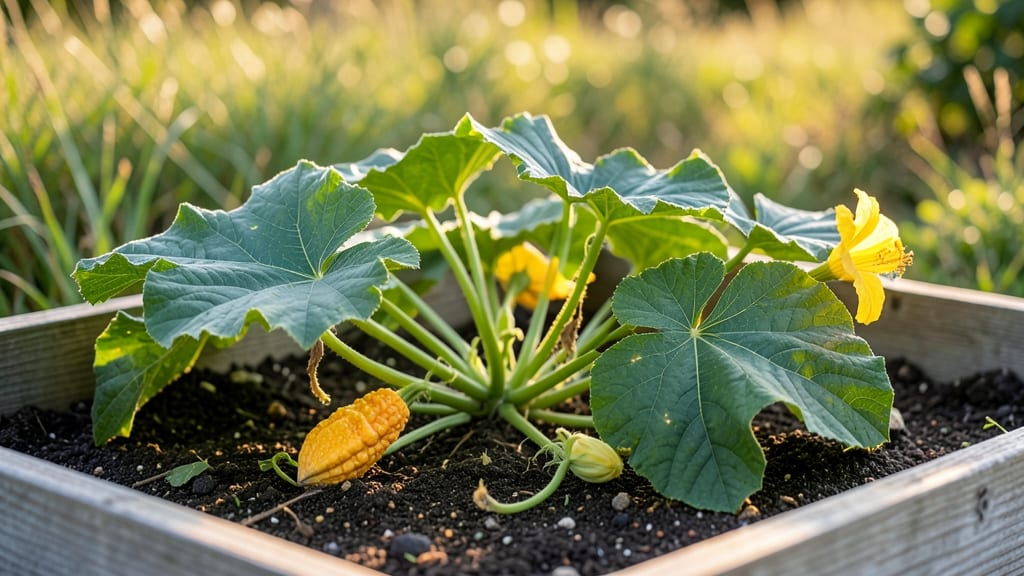
These charming bumpy yellow squash with bumps aren’t just for show—they’re a sign of a healthy, flavorful harvest. 🌱 I've grown Yellow Crookneck and Straightneck varieties for years, and the secret to their compact growth and shade tolerance lies in the soil, water, and a few key tricks most gardeners miss.
Start with well-draining soil rich in compost, and plant seeds after the last frost when soil reaches 60°F. These varieties thrive with 4-6 hours of sunlight daily, making them perfect for partial shade spots.
Water consistently at the base—never overhead—to prevent powdery mildew and keep those bumps plump and proud.
By midsummer, you'll be harvesting tender squash with that signature bumpy texture and sweet flavor. The plants stay productive for 6-8 weeks if you keep them well-fed with nitrogen-rich fertilizer and prune any yellowing leaves promptly.
Works equally well in backyard gardens, containers, or raised beds. Whether you're growing for fresh eating or preserving, this approach delivers reliable results—even in less-than-ideal conditions.
Root Causes Of Bumpy Squash
If your yellow squash is sprouting unexpected bumps—whether small, rough, or even wart-like—it’s usually a sign of stress or environmental factors at play. Understanding these triggers can help you prevent or manage the issue before it worsens.
Below, we break down the most common culprits behind those unsightly (but often harmless) bumps.
Not all bumps are bad! Some yellow squash varieties, like ‘Golden Zebra’ or ‘Sunburst’, naturally develop textured, ribbed, or slightly bumpy skins as part of their genetic makeup. These bumps are usually:
- Harmless: They don’t affect taste or growth.
- Hereditary: If your parent plant had them, the offspring likely will too.
- Marketable: Some chefs and farmers’ markets prefer heirloom varieties with unique textures.
How to tell if it’s genetic: Check the seed packet or cross-reference with trusted gardening databases. If the bumps match the variety’s description, no action is needed!
Yellow squash is sensitive to extreme heat, which can trigger physiological bumps—small, raised areas caused by rapid cell division under stress. Here’s how it happens:
- Daytime temps above 90°F (32°C): High heat disrupts normal cell growth, leading to uneven skin development.
- Nighttime temps below 60°F (15°C): Temperature swings confuse the plant’s metabolism, causing localized swelling.
- Sun scald: Intense afternoon sun (especially in dry climates) can bake the squash’s surface, creating blistered or bumpy patches.
Actionable fixes:
- Use shade cloth (30-50%) during peak sun hours.
- Mulch heavily with straw or grass clippings to regulate soil temps.
- Avoid planting in low-lying areas where heat traps.
Too much or too little water—and uneven nutrient distribution—can lead to bumpy, misshapen squash. Here’s the science:
| Problem | Cause | Result |
|---|---|---|
| 💦 Overwatering | Soggy soil leads to oxygen deprivation in roots, forcing the plant to grow irregularly. | Soft, waterlogged bumps or corky patches. |
| 🌱 Underwatering | Drought stress causes abscisic acid buildup, triggering abnormal cell growth. | Hard, gnarled bumps or puffy deformities. |
| 🧪 Nitrogen Deficiency | Lack of nitrogen slows cell division, leading to lumpy or stunted growth. | Small, uneven bumps with yellowing between veins. |
| 🍽️ Calcium Imbalance | Low calcium (or high potassium) disrupts cell wall formation. | Blossom-end rot-like bumps (often near the stem). |
Quick fixes:
- Water deeply 1-2x/week (1 inch total) and avoid wetting leaves.
- Add compost or worm castings for balanced nutrients.
- Test soil pH—aim for 6.0-7.0 for calcium availability.
While most bumps are harmless, some are symptoms of disease. Here’s how to spot the difference:
🍄 Powdery Mildew
Caused by Erysiphe cichoracearum, this fungus creates:
- White, powdery patches that turn into raised, scab-like bumps.
- Bumps often appear on older leaves first before spreading to squash.
Prevention: Space plants for airflow, spray with baking soda mix (1 tsp/L water + a drop of soap) weekly.
🦠 Cucumber Mosaic Virus (CMV)
A viral infection spread by aphids, CMV causes:
- Yellow mosaic patterns + warty, stunted bumps.
- Squash may fail to grow straight or develop crinkled skin.
Action: Remove infected plants immediately and neem oil spray to deter aphids.
Chew marks, sap-sucking pests, or even hail can leave behind bumpy scars. Common culprits:
- Squash bugs: Piercing mouthparts create raised, fluid-filled blisters.
- Cucumber beetles: Scrape skin while feeding, leading to calloused bumps.
- Hail/wind: Bruises heal into hard, uneven lumps.
- Bird pecks: Small, dimple-like indentations that don’t deepen.
Defense strategies:
- Use row covers early in the season.
- Handpick pests early morning when they’re sluggish.
- Apply kaolin clay as a natural repellent.
Fixing Bumpy Squash Issues Naturally
If your yellow squash is developing unsightly bumps—whether from pests, disease, or environmental stress—don’t toss them just yet! With the right approach, you can often restore their smooth, edible texture and even prevent future problems.
Below, we’ll break down the most common causes of bumpy squash and provide practical, step-by-step solutions to get your plants back on track.
If tiny holes, chewed edges, or yellowing leaves accompany those bumps, squash bugs or cucumber beetles are likely the culprits. These pests lay eggs on the stems or undersides of leaves, and their larvae burrow into the squash, creating unsightly (and inedible) deformities.
How to Fix It:
✅ 🔥 Handpick Adults & Eggs
- Inspect leaves and stems daily (especially in the morning). Squash bugs are flat and shield-shaped, while cucumber beetles are striped or spotted.
- Drop them into soapy water—no mercy! 🚫
✅ 🍳 Use Row Covers Early
- Install floating row covers at planting to block pests before they lay eggs. Remove covers when flowers appear to allow pollination.
✅ 👨🍳 Spray Neem Oil or Insecticidal Soap
- Mix 1 tsp neem oil + 1 tsp mild dish soap per quart of water and spray every 3–5 days at dawn or dusk (avoid direct sun to prevent leaf burn).
- Pro Tip: 💡 Add a few drops of garlic oil for extra pest-repelling power!
✅ 🌱 Rotate Crops & Clean Up Debris
- Avoid planting squash in the same spot yearly—rotate with beans, onions, or herbs.
- Remove all plant debris after harvest to starve overwintering pests.
If bumps appear soft, mushy, or covered in white powder, fungal infections like powdery mildew or blossom end rot (caused by calcium deficiency + wet conditions) are likely to blame.
How to Fix It:
✅ 🌡️ Improve Air Circulation
- Space plants 18–24 inches apart and prune nearby foliage to let air flow freely. Fungi thrive in humid, stagnant conditions.
✅ 🎯 Apply Baking Soda or Sulfur Spray
- For powdery mildew, spray a mix of:
- 1 tsp baking soda
- 1 tsp vegetable oil
- 1 quart water
- A few drops of dish soap (as a spreader-sticker)
- Spray every 7–10 days until symptoms fade.
✅ 💪 Boost Soil Calcium for Blossom End Rot
- Mix crushed eggshells, oyster shell meal, or gypsum into the soil at planting.
- Side-dress with calcium-rich compost mid-season if new squash still develops rot.
✅ 🌧️ Adjust Watering Habits
- Water deeply at the base (not overhead) and avoid wet leaves.
- Use drip irrigation or soaker hoses to keep foliage dry.
If bumps are firm but irregular (not mushy or chewed), your squash may be struggling with heat stress, overcrowding, or poor pollination—common in compact or shade-tolerant varieties.
How to Fix It:
✅ 🌿 Thin Plants for Better Airflow
- If squash are too close, thin to 1–2 plants per hill to reduce competition for nutrients.
✅ 🍳 Hand-Pollinate Flowers
- If bees are scarce (due to weather or pesticides), gently shake plants in the morning or use a small paintbrush to transfer pollen from male (stemless) to female (tiny squash at base) flowers.
✅ 🔥 Provide Afternoon Shade
- Use shade cloth (30–50%) to protect squash from midday sun scorch, especially in hot climates.
✅ 🥗 Feed with Balanced Fertilizer
- Switch to a low-nitrogen, high-potassium fertilizer (like 5-10-10) to encourage fruiting over leafy growth.
Once you’ve treated the issue, keep it from returning with these long-term strategies:
💡 🌱 Start with Healthy Seeds/Transplants – Choose disease-resistant varieties (e.g., ‘Eight Ball’ or ‘Sunburst’ yellow squash). 💡 🌡️ Monitor Soil pH – Test and amend to 6.0–6.8 for optimal nutrient uptake. 💡 🍳 Mulch Heavily – Use straw or grass clippings to retain moisture, suppress weeds, and prevent soil-borne diseases. 💡 🔄 Practice Crop Rotation – Wait 3 years before replanting squash in the same spot.
Final Note: Even if your squash develops a few bumps, most are still edible—just peel or trim affected areas before cooking! With these fixes, your next harvest will be smooth, vibrant, and pest-free. 🍽️✨
Frequently asked questions
Why do my yellow squash have those characteristic bumps?
Those bumps are often genetic! Varieties like Yellow Crookneck and Straightneck squash naturally develop textured skin as part of their growth pattern. These bumps are harmless and actually add visual appeal—many chefs appreciate heirloom varieties with unique textures for their culinary value.
Can I still eat squash with bumps from pests or disease?
Yes, but with caution. For minor bumps from pests (like squash bugs), simply peel or trim affected areas before cooking. If bumps are from fungal issues (like powdery mildew), avoid eating severely infected parts—but the rest is usually safe. When in doubt, cook thoroughly to kill any potential pathogens.
How do I prevent heat-related bumps on my squash?
Use shade cloth (30-50%) during peak afternoon sun to protect squash from extreme heat. Mulch heavily with straw to regulate soil temperature, and water consistently at the base (never overhead). Avoid planting in low-lying areas where heat collects, and consider choosing heat-tolerant varieties like 'Eight Ball' yellow squash.
What's the best way to store harvested bumpy yellow squash?
Store them in a cool, dry place (50-55°F) with good air circulation. Place them in a single layer (not stacked) to prevent rot. They'll keep for 1-2 weeks. For longer storage, freeze them after blanching for 3-4 months—the bumps won't affect their flavor when cooked!
Are bumpy yellow squash varieties more prone to disease?
Not necessarily! While some heirloom varieties with bumps may have slightly different growth patterns, their disease resistance depends more on growing conditions than their texture. Choose disease-resistant varieties like 'Sunburst' and practice good garden hygiene (crop rotation, proper spacing) to minimize risks regardless of the squash type.