
Vegetables
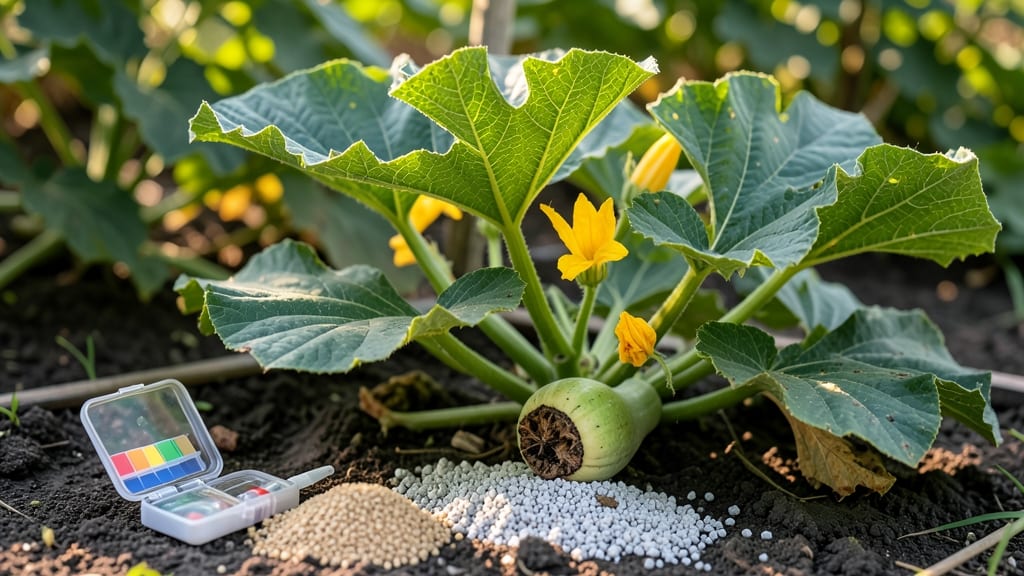
Summer squash blossom end rot turns your harvest into a disappointment—dark, sunken spots on the ends of your zucchini and pattypan squash. 🌱 I’ve lost entire batches to this frustrating issue, but I’ve since cracked the code with three simple, foolproof fixes that actually work.
The problem isn’t just about watering—it’s calcium deficiency triggered by uneven moisture or pH imbalances. Most gardeners overlook the soil’s role, but once you adjust calcium levels and water consistently, the rot disappears. My squash plants now produce flawless fruit every season.
You’ll need three key adjustments: soil amendments (like crushed eggshells), even watering, and mulch to stabilize moisture. The results? No more wasted harvests, just crisp, blemish-free squash ready for the table. This works for zucchini, yellow squash, and even pumpkins.
Let’s fix this once and for all—your garden (and dinner plate) will thank you.
Root Causes Of Summer Squash Rot
Blossom end rot in summer squash isn’t just a random tragedy—it’s a clear signal from your plants that something’s off. Understanding the why behind this frustrating condition is the first step to stopping it before it ruins your harvest.
Let’s break down the science behind the rot, so you can take action with confidence.
📊 The Problem: Blossom end rot is primarily caused by a calcium deficiency—not in the soil (which usually has plenty), but in the fruit itself. Calcium is essential for cell wall strength, and when the squash can’t absorb enough to its growing tip, the tissue collapses.
Think of it like a brick wall without mortar: the end of the squash simply crumbles under pressure.
🔬 Why It Happens: - Rapid Growth Outpaces Supply: Summer squash grows fast—sometimes adding an inch a day.
If the plant can’t move calcium quickly enough to the blossom end (the farthest point from the vine), rot sets in within days. - Calcium Immobility: Unlike nutrients like nitrogen, calcium can’t be relocated once absorbed.
If the plant lacks it at the blossom end, that’s where the rot starts. - pH Imbalance: Soil pH below 6.0 or above 7.5 locks calcium out of root uptake. Even with plenty in the soil, your squash starves.
💡 Pro Tip: Test your soil’s calcium availability (not just total calcium) with a soil test. Aim for a pH of 6.2–6.8—this ensures roots can absorb what they need.
💧 The Problem: Blossom end rot thrives on inconsistent watering. Too much? Roots suffocate. Too little? The plant panics and shuts down calcium transport. Either way, your squash gets the short end of the stick.
🔬 Why It Happens: - Drought Stress: When soil dries out, roots stop absorbing calcium as a survival tactic. The plant prioritizes keeping itself alive over feeding new fruit. - Overwatering & Compaction: Waterlogged soil reduces oxygen to roots, slowing nutrient uptake.
Compacted soil? Roots can’t spread, so they can’t access calcium efficiently. - Uneven Moisture: Drip irrigation or surface watering can leave the blossom end dry while the rest of the plant stays hydrated—creating a calcium desert where rot loves to party.
🌡️ Key Stat: Squash needs 1–1.5 inches of water per week, delivered deeply and consistently. Skimp or splurge, and you’re asking for rot.
🌡️ The Problem: Even with perfect soil, heatwaves, salinity, or poor soil structure can block calcium from reaching your squash. These factors don’t cause the deficiency—they worsen an already weak system.
🔬 Why It Happens: - Extreme Heat: When temperatures exceed 85°F (29°C), calcium uptake plummets by up to 50%.
The plant’s roots essentially go on strike. - Salt Buildup: Over-fertilizing (especially with synthetic salts) or poor drainage burns roots, reducing their ability to absorb calcium. - Cold Soil: If your soil stays below 60°F (15°C) for long, roots become sluggish.
Early-season squash is especially vulnerable. - Poor Drainage: Roots need oxygen. Waterlogged or clay-heavy soil strangles them, cutting off calcium flow.
✨ Grower Hack: Mulch with straw or grass clippings to keep soil temps stable and moisture even. A 5–6 inch mulch layer can reduce heat stress by 10–15°F.
🚜 The Problem: You’d think more fertilizer = healthier plants. But too much nitrogen or potassium throws calcium uptake out of balance. It’s like eating only candy and bread—your body still needs vitamins, even if it’s full.
🔬 Why It Happens: - Nitrogen Glut: Excess nitrogen speeds up growth but dilutes calcium in plant tissues. The squash grows fast, but the structure weakens. - Potassium vs. Calcium: Potassium and calcium compete for uptake.
If you’re heavy on potassium (common in "bloom boosters"), calcium gets crowded out. - Synthetic Fertilizers: Many commercial fertilizers lack calcium in a plant-available form. Even if the label says "complete," the plant might not access it.
🎯 Fix It: Switch to a balanced fertilizer (like 5-5-5 or 10-10-10) and side-dress with calcium-rich amendments (see next section).
🌱 The Problem: If roots are injured, diseased, or overworked, they can’t absorb calcium—even if it’s right there in the soil. Think of it like a clogged pipe: the water’s available, but the blockage stops the flow.
🔬 Why It Happens:
- Crowded Roots: Too many plants in one spot compete for nutrients, weakening individual roots.
- Root-Knot Nematodes: These microscopic pests damage root hairs, reducing surface area for calcium absorption.
- Physical Injury: Dropping seedlings or using heavy equipment can sever roots, slowing nutrient uptake.
- Fungal Infections: Diseases like Fusarium wilt or Pythium rot clog root tissues, cutting off calcium transport.
🔥 Prevention: Rotate crops annually to break nematode cycles and avoid planting squash in the same spot. Use compost or mycorrhizal fungi to boost root health.
How to Fix Summer Squash Spoilage
Blossom end rot in summer squash may feel like a frustrating setback, but with the right fixes, you can salvage your harvest and prevent future damage. Below are practical, step-by-step solutions tailored to the root causes—whether it’s calcium deficiency, water stress, or poor soil conditions.
Let’s turn those mushy squash ends into crisp, healthy produce!
If your squash is suffering from blossom end rot due to low calcium, the solution is simple: add more calcium to the soil and ensure the plant can absorb it efficiently.
🔥 Add Calcium-Rich Amendments
- Crushed eggshells: The easiest DIY fix! Rinse and dry eggshells, grind them into a fine powder, and sprinkle 1–2 tablespoons around the base of each plant.
Water lightly to help absorption. (Pro tip: 💡 Bake shells at 200°F for 10 minutes to kill bacteria before grinding!) - Crushed oyster shell or bone meal: Work 1–2 cups per plant into the top 2–3 inches of soil.
These are slow-release calcium sources that improve soil structure over time. - Gypsum (calcium sulfate): A fast-acting option that won’t alter soil pH. Mix 1–2 pounds per 100 square feet into the soil before planting or side-dress mid-season.
👨🍳 Use Liquid Calcium Sprays
For immediate relief, foliar feed your plants with a calcium nitrate solution (1 tablespoon per gallon of water).
Spray the leaves and stems every 7–10 days until new growth appears healthy. (⏰ Best applied in the early morning or late evening to avoid leaf burn.)
🥘 Improve Soil Drainage & Mulch
Poor drainage prevents calcium uptake. Amend heavy clay soil with:
- Compost (1–2 inches mixed into the top 6 inches of soil)
- Perlite or vermiculite (for sandy soils to retain moisture without waterlogging)
- Straw or grass clippings as mulch (keep 2–3 inches away from stems to prevent rot).
Blossom end rot thrives on inconsistent moisture. Squash plants need steady hydration—not too much, not too little.
🍳 Water Deeply & Regularly
- Morning watering is key: Water at the base of the plant (not the leaves) early in the day so foliage dries quickly, reducing disease risk.
- Avoid wetting the blossoms: Wet flowers can attract pests and fungal issues.
Use a soaker hose or drip irrigation for targeted watering. - Check soil moisture: Stick your finger 1–2 inches deep—if it’s dry, water. If it’s soggy, wait. (🌡️ Aim for soil that’s like a wrung-out sponge: damp but not drenched.)
🔪 Prune Affected Fruits
If you spot rotten squash early, remove it immediately to prevent nutrient drain from the plant. Focus energy on healthier fruits by:
- Trimming overcrowded vines (leave 12–18 inches between squash).
- Harvesting mature squash promptly (they steal calcium from developing fruits).
Once you’ve fixed the current issue, lock in success with these preventative habits:
🎯 Start with Calcium-Rich Soil
- Test your soil (a simple home kit costs $10) to check calcium levels.
Ideal levels: 1,000–2,000 ppm. - Add composted manure (cow, chicken, or horse) before planting for a slow-release nutrient boost. - Plant calcium-loving companions: Beans, peas, or clover nearby to naturally enrich the soil.
✨ Choose Resistant Varieties
Some squash varieties handle calcium stress better:
- ‘Early Prolific Straightneck’ (hybrid, fast-growing)
- ‘Golden Zucchini’ (tolerates heat and uneven watering)
- ‘Black Beauty’ zucchini (hardy and productive)
📊 Rotate Crops & Avoid Over-Fertilizing
- Don’t plant squash in the same spot two years in a row (rotates pests and depletes nutrients).
- Skip high-nitrogen fertilizers (they promote leafy growth at the expense of fruit calcium). Instead, use a balanced 10-10-10 or low-nitrogen formula.
If a squash is already mushy, don’t toss it! Slice off the rotten end (about ½ inch deep) and use the rest:
- Grate or spiralize the good portion for stir-fries, soups, or fritters.
- Blend into sauces (like pesto or gazpacho) where texture doesn’t matter.
- Ferment or pickle the healthy sections to preserve flavor.
Final Thought: Blossom end rot is manageable—it just takes a little attention to calcium, water, and soil health. With these fixes, your summer squash will go from sad and slimy to plump and perfect in no time! 🎉
Frequently asked questions
Why does blossom end rot only affect the end of summer squash?
Blossom end rot targets the farthest point from the vine because calcium can’t be relocated once absorbed. The blossom end grows fastest, outpacing calcium delivery, causing tissue collapse. Think of it like a brick wall without mortar at the farthest corner!
Can I save a squash with early rot signs?
Yes! If you catch it early, remove the affected fruit immediately to redirect nutrients. For mild cases, slice off the rotten ½-inch and use the rest in cooking. Just avoid storing or eating severely rotted portions.
How often should I add calcium amendments?
For crushed eggshells, apply every 4-6 weeks during growing season. Gypsum works faster—mix 1-2 lbs per 100 sq ft before planting or mid-season. Test soil annually to monitor calcium levels (1,000-2,000 ppm ideal).
Will mulch really prevent blossom end rot?
A 3-inch mulch layer of straw or grass clippings maintains even moisture and stabilizes soil temperature. This prevents both drought stress and heat-induced calcium uptake drops. Just keep mulch 2-3 inches away from stems.
Can I use coffee grounds to fix calcium deficiency?
No—coffee grounds actually lower calcium availability by acidifying soil. For calcium, stick to crushed eggshells, gypsum, or oyster shell. If you love coffee grounds, use them sparingly (½ cup per plant) and pair with calcium amendments.