
Vegetables
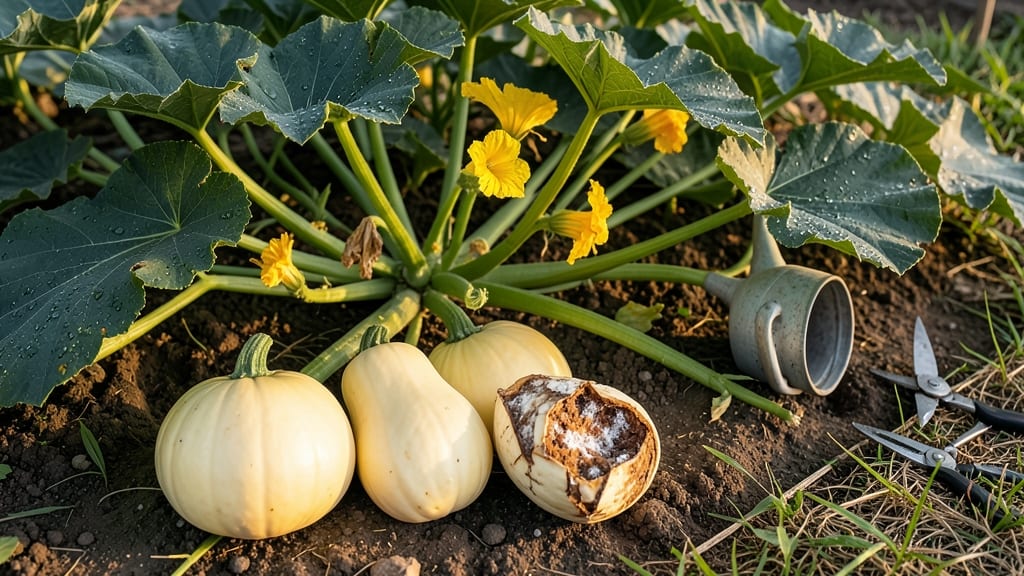
Summer squash blossom rot turns your edible flowers into sad, wilted messes before they even get a chance to pollinate. 🌿 I’ve seen this problem ruin entire harvests—until I learned the simple fixes that keep blossoms happy and productive.
The key is understanding what’s really causing those flowers to collapse (hint: it’s not always what you think).
This issue usually boils down to two things: calcium deficiency or stress from inconsistent watering. Your soil might be lacking essential nutrients, or those squash plants are getting too much love one day and too little the next.
The good news? Both problems have straightforward solutions—like side-dressing with crushed eggshells or adjusting your watering schedule to keep roots consistently moist.
You’ll be able to revive wilting blossoms and prevent future rot by the end of this guide. Imagine those vibrant yellow flowers staying perky, leading to plump, bountiful squash instead of empty vines. The fix is easier than you’d expect—no fancy tools or expensive amendments required.
Whether you’re dealing with a single wilting bloom or an entire plant looking sad, these steps work for any summer squash variety. Let’s get those flowers back in action and your harvest on track!
Root Causes Of Blossom Decay
Understanding why summer squash blossoms rot starts with recognizing the three primary culprits: environmental stress, fungal infections, and physiological disorders. Each plays a distinct role in weakening the plant’s defenses, leading to wilting, browning, or outright rot.
Let’s break down the science behind these issues so you can address them effectively.
Summer squash thrives in warm, stable conditions (70–85°F), but sudden swings—especially below 55°F at night or above 90°F during the day—disrupt pollination and flower health. Here’s how it happens:
- Cold Stress: Low temperatures slow enzyme activity in flowers, preventing proper stamen (male) and pistil (female) maturation.
Without viable pollen, fertilization fails, and blossoms wilt or rot within 24–48 hours. - Heat Stress: High daytime temps cause blossom drop (flowers fall prematurely) or necrosis (tissue death).
The plant’s energy shifts to survival mode, leaving flowers vulnerable to pathogens. - Humidity Mismatch: High humidity (above 70%) combined with heat creates a sticky, anaerobic environment on petals—ideal for fungal spores to latch on.
Actionable Fix: Use row covers for nighttime protection in cool climates or shade cloth (30–50%) during heatwaves. Plant in morning sun/afternoon shade to moderate temps naturally.
Blossom rot is often misdiagnosed as a physiological issue when it’s actually a fungal infection (e.g., Fusarium, Botrytis, or Alternaria). Here’s the chain reaction:
- Water Droplets on Petals: Overhead irrigation (especially in the evening) leaves moisture on flowers, creating a film that suffocates tissues and invites fungal spores.
- Spores Germinate: Fungi like Botrytis cinerea (gray mold) thrive in high-humidity, low-light conditions, producing enzymes that break down cell walls in petals.
- Rot Spreads: Infected blossoms turn brown, mushy, and leathery, blocking pollen transfer.
Within 3–5 days, the rot can spread to stems or fruit.
Red Flags:
- Blossoms stick to fingers when touched (sign of fungal slime).
- Concentric rings or fuzzy gray growth on petals.
Actionable Fix:
- Water at the base (drip irrigation or soaker hoses) before 10 AM to allow foliage to dry.
- Prune affected blossoms immediately (don’t compost them—bag and discard).
- Apply copper fungicide (weekly preventative spray) if outbreaks occur.
Even with perfect weather, nutrient deficiencies or lack of pollinators can lead to blossom rot indirectly. Here’s how:
- Calcium Deficiency: Blossoms need calcium for cell wall integrity.
A deficiency (common in sandy or acidic soils) causes blossom end rot (BER) in flowers, making them prone to collapse. - Nitrogen Overload: Too much nitrogen (>100 ppm in soil) promotes lush foliage at the expense of flowers, weakening their structure and making them susceptible to rot. - Pollinator Shortages: Squash relies on bees and other insects to transfer pollen.
Without them, self-pollination fails, leading to aborted flowers that rot on the vine.
Diagnostic Tips:
- Yellowing leaves with green veins = nitrogen excess.
- Stunted growth or purple stems = phosphorus deficiency (stresses flowers).
- No bees? Plant pollinator-friendly flowers (e.g., marigolds, borage) nearby.
Actionable Fix:
- Soil Test: Aim for pH 6.0–6.8 and amend with lime (calcium) or compost.
- Hand-Pollinate: Gently tap flowers with a paintbrush if bees are scarce.
- Balanced Fertilizer: Use a 5-10-10 formula (low nitrogen) during flowering.
While summer squash loves moisture, excessive water creates anaerobic conditions in the soil, leading to:
- Root Rot: Weak roots can’t supply flowers with nutrients, causing them to wilt and rot.
- Waterlogged Petals: Stagnant water in blossoms traps bacteria (e.g., Erwinia) that cause soft rot, turning petals to mush.
- Soil-Borne Pathogens: Fungi like Pythium thrive in soggy soil, infecting blossoms via the stem.
Signs of Overwatering:
- Yellowing lower leaves (not from pests).
- Squash vines feel spongy when pressed.
- Blossoms collapse within hours of watering.
Actionable Fix:
- Check soil moisture 1–2 inches deep—water only when dry.
- Improve drainage: Add perlite or compost to heavy clay soils.
- Mulch with straw to regulate moisture and prevent splashing.
How to Fix and Prevent Blossom Rot
Now that you understand the root causes behind summer squash blossom rot—whether it’s fungal infections, environmental stress, or poor pollination—you can take targeted action to save your plants and future harvests. Below are practical, step-by-step solutions tailored to each common trigger, plus prevention tips to keep your squash thriving.
If your squash blossoms are wilting, turning brown, or developing fuzzy white patches, fungi like Fusarium or Alternaria are likely to blame. Act fast to stop the spread and restore plant health.
🔥 Remove Infected Blossoms & Fruit
- 🍳 Prune affected parts immediately—snip off wilted blossoms, rotting fruit, or leaves with dark spots using sterilized pruners (wipe with rubbing alcohol between cuts).
- 🗑️ Dispose of infected debris in the trash (not compost) to prevent reinfection.
👨🍳 Apply Fungicidal Sprays (Organic or Chemical)
- 🥘 Organic options:
- Baking soda spray: Mix 1 tsp baking soda + 1 tbsp vegetable oil + 1 tsp mild soap per quart of water.
Spray early morning to avoid burning leaves. - Neem oil: Use 1 tbsp neem oil + 1 tsp soap per quart of water.
Reapply every 7–10 days for prevention. - Copper fungicide: Follow label instructions for a preventative barrier (great for powdery mildew). - 🔪 Chemical options (if severe): Use chlorothalonil or myclobutanil (follow safety precautions).
🌡️ Improve Airflow & Reduce Humidity
- ✂️ Thin out vines to allow sunlight and air circulation—crowded plants stay damp and fungal spores thrive.
- 🌧️ Water at the base (not overhead) and avoid late-day watering to let foliage dry before nightfall.
If blossoms drop prematurely due to heat stress, lack of water, or failed pollination, your squash may still recover with these adjustments.
💡 Provide Shade & Consistent Watering
- 🌿 Use shade cloth (30–50%) during peak afternoon sun (12 PM–4 PM) to protect blossoms.
- 💧 Water deeply 1–2 inches per week—drought stress causes blossoms to abort. Use drip irrigation to keep soil moist but not soggy.
🐝 Boost Pollination Naturally
- 🐝 Hand-pollinate if bees are scarce: Gently tap blossoms with a small brush or toothbrush to release pollen.
- 🌸 Plant pollinator-friendly flowers nearby (e.g., marigolds, nasturtiums, or borage) to attract bees.
🎯 Fertilize for Recovery (But Don’t Overdo It)
- 💪 Use a balanced fertilizer (10-10-10) lightly after wilting stops—too much nitrogen causes soft, rot-prone fruit.
- 🥗 Add compost or worm castings to improve soil structure and nutrient uptake.
Once you’ve treated the issue, prevent recurrence with these proactive strategies:
| Cause | Prevention Tip |
|---|---|
| Fungal Diseases | Rotate crops annually (don’t plant squash in the same spot). |
| Poor Airflow | Space plants 3–4 feet apart and prune excess foliage. |
| Heat Stress | Mulch with straw to retain moisture and cool roots. |
| Pollination Failures | Plant male and female flowers (or buy parthenocarpic varieties like ‘Black Beauty’). |
| Overwatering | Test soil moisture with your finger—water only when the top 1 inch is dry. |
- 🌡️ Monitor weather forecasts—avoid planting squash if high humidity (>70%) is predicted for 3+ days.
- 🔄 Crop rotation is key—wait 3 years before replanting squash in the same bed to break disease cycles.
- 🍎 Interplant with herbs like basil or thyme—they repel pests and improve flavor while deterring fungi.
By addressing the specific cause of your squash’s blossom rot and implementing these easy, actionable fixes, you’ll not only save existing plants but also protect future harvests. Happy gardening—and here’s to plump, rot-free squash this season! 🎉🍆
Frequently asked questions
Why do my summer squash flowers wilt so quickly after blooming?
Quick wilting is usually caused by heat stress (above 90°F) or fungal infections like Botrytis. Check for fuzzy gray growth on petals—if present, remove infected blossoms immediately and improve airflow by thinning vines. For heat stress, use shade cloth during peak afternoon sun.
Can I save a squash plant if most of its blossoms are rotting?
Yes! First, remove all rotting blossoms and fruit to stop fungal spread. Then apply a baking soda spray (1 tsp baking soda + 1 tbsp oil + 1 tsp soap per quart of water) and ensure consistent watering (1–2 inches per week). Hand-pollinate remaining flowers with a paintbrush if bees are scarce.
What’s the difference between blossom rot and blossom end rot?
Blossom rot affects flowers (wilting, browning, or fungal growth), while blossom end rot targets fruit (dark, sunken spots at the blossom end). Both stem from calcium deficiency, but blossom rot is often fungal. Test soil pH (6.0–6.8) and amend with crushed eggshells or lime.
How often should I apply fungicide to prevent blossom rot?
For prevention, spray neem oil or copper fungicide every 7–10 days during blooming season. If outbreaks occur, switch to a baking soda spray weekly until flowers are healthy. Always spray early morning to avoid leaf burn and improve drying time.
Will overwatering cause blossom rot?
Overwatering creates soggy soil that promotes root rot and fungal spores, which climb up stems to infect blossoms. Water only when the top 1 inch of soil is dry and use drip irrigation to keep petals dry. Mulch with straw to regulate moisture.