
Companion Plants
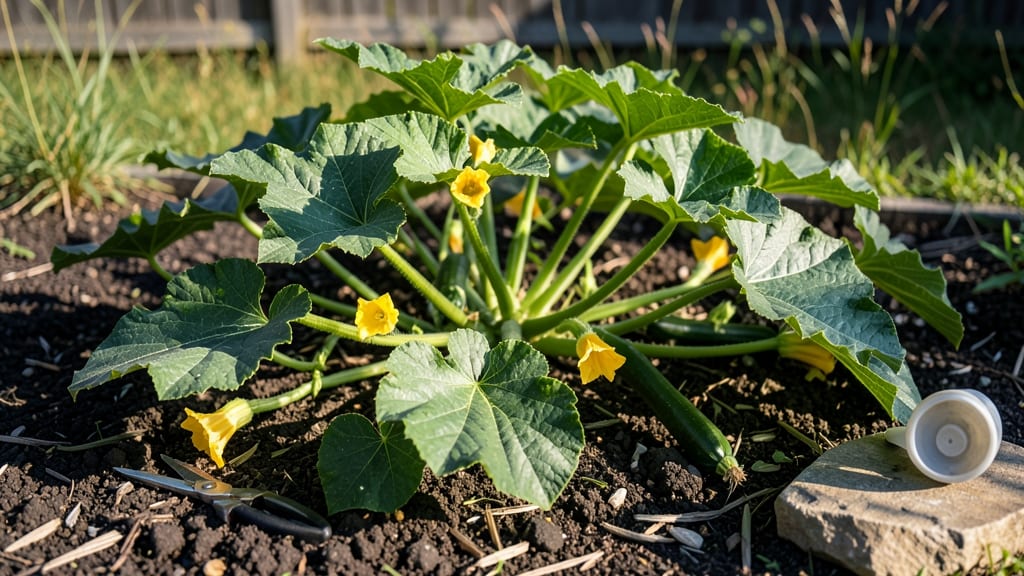
Growing cucuzza squash plants feels like cheating—these cold-hardy vines produce abundant harvests even when other summer squash fail in your garden. 🌿 Unlike fussy zucchini, cucuzza thrives in partial shade and cooler temperatures, making it perfect for early spring or late fall planting.
The secret lies in their adaptable nature: they tolerate clay soil, need only 4-6 hours of sun, and handle temperatures down to 30°F once established. I’ve grown them in containers, raised beds, and directly in the ground—all with the same reliable results.
You’ll harvest glossy green fruits just 45-50 days after planting, and the vines keep producing until frost. The best part? These plants resist common squash pests like cucumber beetles far better than traditional varieties.
Whether you’re extending your growing season or filling a shady corner, cucuzza delivers foolproof productivity with minimal fuss. Let’s get those seeds in the ground!
📚 In This Guide
- What you need
- Instructions
- Tips and common mistakes
- Wrapping up and next steps
What you need
- ● Seeds: 5–10 cucuzza squash seeds (non-GMO, heirloom varieties like ‘Cucuzza’ or ‘Tromboncino’ work best).
- ○ Growing Containers (Optional): 1–2 large fabric pots (12+ inches deep, 18+ inches wide) or
- ● 1 raised bed (minimum 12" deep, 3' x 3' for multiple plants).
- ● Soil: 10–15 gallons of well-draining, nutrient-rich soil mix: 60% potting soil (or garden soil)
- ● 30% compost (aged, not fresh)
- ● 10% perlite or sand (for drainage).
- ● Fertilizer: 1 cup balanced organic fertilizer (5-5-5 or 10-10-10) or 1 tbsp worm castings per plant.
- ● Basic Tools: Trowel or hand shovel
- ○ Garden gloves (optional but recommended!)
- ● Watering can or hose with gentle spray nozzle.
- ● Sun & Space: Partial shade (4–6 hours of sunlight daily).
- ● 3–4 feet of vertical space (trellis or stakes for vines).
- ○ Optional Extras: Mulch (straw or shredded leaves to retain moisture).
- ● Companion plants (e.g., beans, lettuce, or marigolds to deter pests).
- ● Row cover (for early spring planting in cold climates).
Step-by-Step guide to growing cold-hardy cucuzza squash
Here’s how to cultivate these resilient vines in cooler climates and partial shade—no greenhouse needed.
🌱 Step 1: Start Seeds Indoors or Direct-Sow After Frost
Cucuzza thrives in 50-75°F soil, so I begin seeds 4-6 weeks before last frost in biodegradable peat pots (they hate root disturbance). Fill pots with sterile seed-starting mix and plant 1 seed per cell, ½ inch deep. Press lightly—these seeds need firm contact to germinate reliably.
Keep the mix moist but not soggy (a spray bottle works best) and cover with a humidity dome. Place pots in a warm spot (70-75°F)—a seedling heat mat speeds germination to 7-10 days. If direct-sowing, wait until soil warms to 55°F and night temps stay above 45°F. Cucuzza’s cold tolerance lets you plant 2-3 weeks earlier than zucchini.
🪴 Step 2: Harden Off and Transplant Seedlings
Two weeks before transplanting, move seedlings outside for 1-2 hours daily, gradually increasing exposure. Watch for first true leaves—these indicate readiness for the garden. Choose a site with 4-6 hours of partial shade (morning sun, afternoon shade works best). Amend the soil with 2-3 inches of compost—cucuzza’s vines need fertile ground to support their 6-8 foot sprawl. Dig holes twice as wide as the root ball to encourage root spread.
Transplant on a cloudy day to reduce shock. Space plants 3-4 feet apart in rows 4 feet apart—crowding leads to powdery mildew. Bury stems 1 inch deeper than in pots to stabilize plants and encourage additional roots. Water deeply at planting to settle soil around roots.
☀️ Step 3: Provide Support and Consistent Moisture
Cucuzza’s vines need strong trellises or cages—I use 6-foot bamboo stakes tied with twine. Train vines gently as they grow; aggressive tying can damage stems. Mulch heavily with straw or shredded leaves to retain moisture and suppress weeds. Water 1-2 inches per week, keeping soil evenly moist (never soggy). Drip irrigation works best—overhead watering spreads disease.
Fertilize lightly 2 weeks after transplanting with balanced organic fertilizer (10-10-10). Too much nitrogen produces leafy vines but few fruits. Watch for yellowing lower leaves—this signals either overwatering or nutrient deficiency. Cucuzza’s deep green, lobed leaves are your sign of healthy growth.
✂️ Step 4: Harvest and Extend the Season
Harvest when fruits reach 6-8 inches long, using a sharp knife to avoid damaging vines. Check plants every 2-3 days—overripe cucuzza turns bitter. The plant’s vigor keeps producing for 8-10 weeks in cool climates. In fall, leave 2-3 mature vines to save seeds. Let fruits fully ripen on the vine, then scoop out seeds to dry for next year.
To extend harvests, cover plants with frost blankets when nights dip below 40°F. Cucuzza’s cold tolerance lets you enjoy fresh produce 2-3 weeks longer than other summer squash. Prune yellowed or diseased leaves immediately to keep vines productive until frost.
Tips & tricks for perfect cucuzza squash cultivation
These cold-hardy vines reward patience with abundant harvests—here's how to maximize their potential without the usual summer squash pitfalls.
Soil Temperature Secret: The 50-75°F soil temperature range is non-negotiable for reliable germination. I've seen seeds fail to sprout when soil dips below 50°F, even with heat mats. Test your soil temperature with a thermometer before planting—cold mornings can fool you. For direct sowing, wait until nighttime temps consistently stay above 45°F, not just daytime highs. This cold tolerance is cucuzza's superpower compared to zucchini.
Transplanting Technique: That 1-inch deeper burial during transplanting (Step 2) might seem counterintuitive, but it works wonders. The extra depth stabilizes plants and encourages root spread into the wider holes you've prepared. I've noticed cucuzza plants buried properly develop stronger stems that handle wind better—critical for those 6-8 foot vines. Water deeply immediately after transplanting to help settle the soil around those buried stems.
Harvest Timing: The 6-8 inch size range for harvesting might seem broad, but timing is everything. I check plants every 2-3 days and harvest when fruits feel firm but yield slightly to gentle pressure. Overripe cucuzza develops a bitter flavor and tough skin—something I learned the hard way after letting a few get too large. The plant's vigor means you'll get multiple harvests over 8-10 weeks, so don't feel pressured to take everything at once.
Season Extension Strategy: Those frost blankets when nights dip below 40°F (Step 4) can add weeks to your harvest. I've successfully extended seasons by 2-3 weeks using lightweight row covers. The key is securing them properly—cucuzza's sprawling vines can get heavy. Remove covers during the day to prevent overheating, which can stress the plants. This cold tolerance makes cucuzza perfect for northern gardens where other squash fail.
Pro Tips for Cucuzza Squash Plants
- These cold-hardy vines reward patience with abundant harvests—here's how to maximize their potential without the usual summer squash pitfalls.
- Soil Temperature Secret: The 50-75°F soil temperature range is non-negotiable for reliable germination.
- Transplanting Technique: That 1-inch deeper burial during transplanting (Step 2) might seem counterintuitive, but it works wonders.
Frequently asked questions
How long does it take for cucuzza squash plants to mature?
Cucuzza squash typically matures in 70–90 days from transplanting, depending on your climate. In cooler regions, they may take longer (up to 100 days). Check seed packets for specific varieties—some are bred for faster harvests!
Can cucuzza squash survive light frosts?
Yes! Unlike many squash, cucuzza is cold-tolerant and can handle light frosts down to 25–30°F (-4 to -1°C). However, avoid heavy frost or freezing temps—it’s not a winter survivor. Mulch heavily in early spring/fall for extra protection.
What’s the best companion plant for cucuzza squash?
Cucuzza thrives with bush beans, peas, or lettuce—they share nutrients without competing for space. Avoid planting near potatoes or cucumbers, as they can attract similar pests. Try interplanting with herbs like basil to deter squash bugs!
Why are my cucuzza leaves turning yellow?
Yellowing leaves often signal overwatering, nutrient deficiency (like nitrogen), or pests (e.g., squash vine borers). Check soil moisture—cucuzza prefers well-draining soil. For pests, handpick eggs or use row covers early in the season.
Can I eat cucuzza squash raw like zucchini?
Young cucuzza (under 6 inches) has a mild, slightly sweet flavor and can be eaten raw in salads or spiralized. Larger squash (7+ inches) are best cooked—think grilled, roasted, or in soups. Peel if skin is tough.
Wrapping up and next steps
Growing cucuzza squash plants is a rewarding adventure—whether you're a seasoned gardener or just starting out! 🌱 These cold-hardy, shade-tolerant vines offer delicious harvests with minimal fuss, making them a fantastic addition to your garden.
Now that you’re armed with the right tips, soil prep, and companion plant pairings, it’s time to roll up your sleeves and get planting!
Ready to take the next step? Start small—try a few cucuzza plants in a sunny spot (even partial shade works!) and watch them flourish. Before you know it, you’ll be savoring homegrown squash in soups, salads, or roasted dishes. Happy gardening! 🌿