
Plants
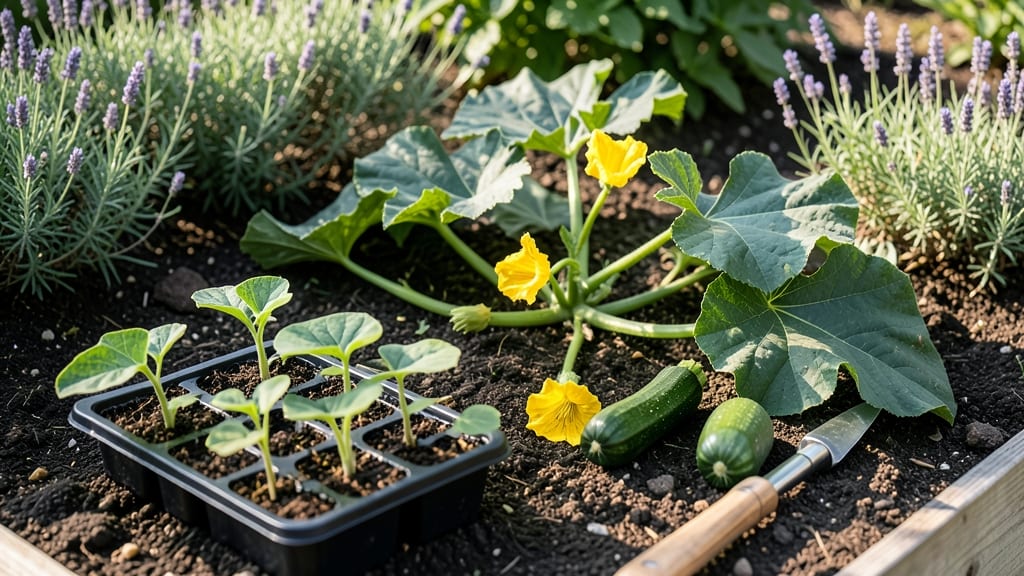
Planting squash in Kansas after the last frost date — typically mid-April — is the key to avoiding frost damage and stunted growth.
Kansas gardeners know timing is everything: plant too early and risk frost damage, too late and summer’s heat stunts growth. Mastering the perfect window ensures bumper crops of zucchini, pumpkins, and summer squash 🎃.
But it’s not just about dates — soil temperature matters just as much. Kansas’ 6a hardiness zone means waiting for soil to warm to at least 60°F before planting, which can push your window into early June for some varieties.
In this guide, I’ll break down the exact frost dates by region, soil prep tips for Kansas’ clay-heavy soil, and 5 pro tips to extend your harvest from July to September.
Kansas squash planting calendar: frost dates by region
Kansas’ diverse climate zones mean your last frost date could vary by 2-3 weeks depending on where you live. In Wichita (Zone 7a), the average last frost is April 15, while Kansas City (Zone 6a) typically sees frost until April 22.
Topeka falls right in the middle with April 18 as the cutoff. These dates are critical because squash hates cold soil—waiting until after the last frost ensures strong germination.
For summer squash varieties like zucchini and yellow squash, aim to plant 2-3 weeks after your region’s last frost date.
This gives young plants time to establish roots before summer’s heat peaks. Winter squash, including pumpkins and butternut squash, need even more time—start seeds indoors in late March or transplant hardened-off seedlings 3 weeks after your last frost date for a full harvest season.
Here’s how to adjust for early or late seasons: If you’re in a warmer microclimate (like near a river or urban heat island), you might push planting to early April.
Conversely, high-elevation areas could delay planting until mid-May to avoid late frosts. Always check your local Kansas State University Extension frost maps for real-time updates.
🌱
If you’re growing summer squash, prioritize early-maturing varieties (like ‘Eight Ball’ zucchini, which ripens in 45 days) to beat Kansas’ short growing season.
For winter squash, choose longer-season varieties (e.g., ‘Jack Be Little’ pumpkin, 90 days) to ensure harvests before the first frost in mid-October.
Pro tip: Use black plastic mulch to warm soil faster in early spring, allowing you to plant 2 weeks earlier than traditional methods. This is especially helpful in northern Kansas, where cooler soils delay germination.
Always bury seeds 1 inch deep and space plants 3-4 feet apart to prevent disease spread in Kansas’ humid summers.
For gardeners in urban areas, container growing is a great option—just ensure pots are at least 12 inches deep and use lightweight potting mix to avoid overheating.
Container squash may need daily watering during Kansas’ 90°F+ heat waves, so group plants together to create a microclimate that retains moisture.
Don’t forget to account for succession planting! In Kansas, you can often squeeze in 2 harvests of summer squash by planting every 2 weeks from late April through early June. This works especially well for bush varieties, which mature faster than vining types.
🎃
Finally, monitor your local extended forecast in late spring—Kansas is notorious for late-season frosts in May. If frost is predicted, cover young plants with frost cloth or a lightweight row cover. For extra protection, choose frost-tolerant varieties like ‘Defender’ zucchini, which can handle light frosts better than most.
By aligning your planting schedule with these region-specific frost dates, you’ll maximize your squash yield and avoid common Kansas gardening pitfalls like blossom-end rot (caused by uneven watering) or powdery mildew (from high humidity). Happy planting!
Soil temperature and prep: the hidden key to squash success
Squash seeds need warm soil to germinate—60°F or higher is the magic threshold. In Kansas, this typically means waiting until mid-May in most regions, but soil thermometers are your best friend for precision.
Cold soil slows germination, leaving seeds vulnerable to rot and pests. I’ve learned the hard way that rushing planting can lead to patchy, weak seedlings that struggle to catch up.
Kansas soils vary wildly—clay-heavy in eastern regions and sandy in western areas—both requiring different prep. Clay holds moisture but drains poorly, while sandy soils dry out fast. Amending with compost or aged manure improves structure and fertility.
For raised beds, I mix in coconut coir to boost drainage while retaining nutrients. The goal? Loose, crumbly soil that’s fertile but not soggy.
⚠️ callout-warning
Kansas’s unpredictable spring frost can strike until May 10-15 in most areas. Even if air temps rise, soil stays cold longer. Test with a soil thermometer for 3 consecutive days at 60°F+ before planting. Cold soil delays germination by weeks, and weak seedlings can’t recover.
🌱 Pro Tip: Use black plastic mulch 1-2 weeks before planting to warm soil faster.
For organic vs. synthetic fertilizers, I recommend a balanced approach: compost tea or fish emulsion at planting for organic options, or a 10-10-10 NPK synthetic blend for quick nutrient boosts. Squash are heavy feeders, so side-dress with worm castings or kelp meal mid-season to support fruit production.
Over-fertilizing with nitrogen leads to lush leaves but few squash—always prioritize potassium-rich amendments for better yields.
Raised beds solve many Kansas soil challenges. Fill with a mix of topsoil, compost, and perlite to create an ideal growing medium. In-ground plots should be tilled 8-10 inches deep to loosen compacted layers.
Add a 2-inch layer of mulch (straw or shredded leaves) to retain moisture and suppress weeds. I’ve found that drip irrigation paired with mulch keeps squash thriving even during Kansas’s dry spells.
Don’t forget to test your soil’s pH level—squash prefer 6.0-7.0. Kansas soils often lean alkaline, so amend with sulfur or peat moss if needed. I use a simple DIY pH test kit ($10 at garden centers) to check before planting.
Proper pH ensures nutrients are available, preventing yellowing leaves or stunted growth. A little prep now means fewer headaches later.
With the right soil temperature and amendments, your squash will sprout faster and produce bigger, healthier fruits. I’ve seen 3x the yield in amended beds versus neglected soil. Start testing your soil now—your future harvest depends on it! 🎃