
Plants
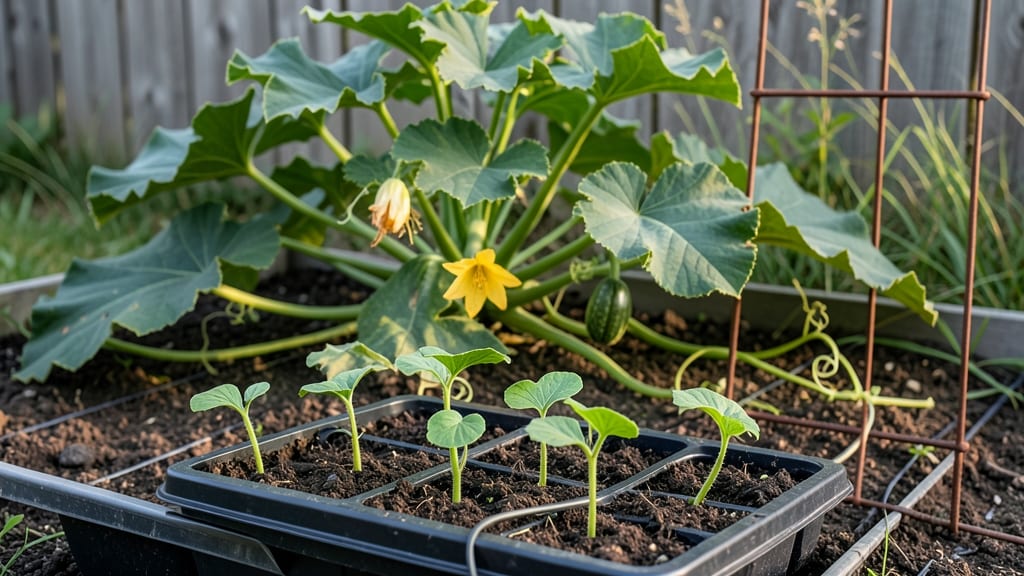
Planting squash in Iowa after the last frost—typically mid-April to early June—sets the stage for a bountiful summer harvest 🎃.
Iowa’s unpredictable frost dates can turn a squash harvest from bountiful to bust unless you time your planting perfectly. Master the frost-date formula to grow thriving summer and winter squash with minimal risk of late frosts or early blights.
Most gardeners in USDA zones 5a-6b wait until soil temperatures hit at least 60°F, ensuring roots establish quickly. Summer squash (like zucchini) thrives with early planting, while winter varieties (such as butternut) benefit from a slightly delayed start.
Below, I’ll break down the exact frost-date formula for Iowa, spacing tips, and the best varieties for your region—so you can avoid common mistakes and maximize your harvest from July to September.
Iowa’s frost-date formula for planting squash (summer vs. winter varieties)
Iowa’s USDA Zone 5a/5b frost dates create a tight window for planting squash varieties. Summer squash like zucchini and yellow crookneck demand warm soil, while winter types such as butternut and acorn need earlier starts.
The key? Calculating your last frost date and soil temperature thresholds—both critical for avoiding frost damage or stunted growth.
Most Iowa gardeners face late spring frosts until mid-May, but microclimates vary. For example, Des Moines typically sees its last frost around May 10, while Sioux City can linger until May 15.
Winter squash varieties, like pumpkins, need a longer growing season, so timing is everything to ensure they mature before first fall frosts in late September or October.
Here’s the 3-step frost-date formula I use to pinpoint my planting window: First, identify your average last frost date for your Iowa region. Second, wait until soil temperatures hit at least 60°F (use a soil thermometer for accuracy).
Finally, add 14–21 days of buffer time for seedlings to establish roots before extreme heat arrives.
For summer squash, which matures in 45–55 days, I plant after May 15 in most of Iowa. Winter squash, needing 80–100 days to harvest, goes in the ground by mid-June at the latest. But don’t guess—use the frost-date lookup table below to match your microclimate.
| Iowa Location | Avg. Last Frost | Safe Planting Window | Summer Squash (Days to Maturity) | Winter Squash (Days to Maturity) |
|---|---|---|---|---|
| Des Moines (Zone 5b) | May 10 | May 15–June 1 | 45–55 days | 80–100 days |
| Cedar Rapids (Zone 5a) | May 5 | May 20–May 31 | 45–55 days | 80–100 days |
| Sioux City (Zone 5a) | May 15 | May 25–June 5 | 45–55 days | 80–100 days |
| Dubuque (Zone 5a) | May 3 | May 15–May 25 | 45–55 days | 80–100 days |
Soil temperature is just as critical as air temperature. Squash seeds won’t germinate below 60°F, and cool soil can delay growth by weeks. I always test soil temps with a soil thermometer—if it’s below 60°F, wait another week.
Pro tip: Use black plastic mulch to warm soil faster if you’re eager to plant early.
For summer squash, I prioritize fast-maturing varieties like ‘Black Beauty’ zucchini (45 days) or ‘Early Prolific Straightneck’ (50 days). These can handle Iowa’s short season if planted by May 15.
Winter squash, however, needs a longer lead time. I opt for ‘Waltham Butternut’ (85 days) or ‘Jack Be Little’ pumpkin (75 days), planting by mid-June to ensure harvest before frost.
Don’t overlook transplanting seedlings for winter squash. Start seeds indoors 4–6 weeks before your last frost date, then transplant after soil warms. This gives vines a head start and boosts yields. I’ve found that seedlings transplanted by June 1 often outperform direct-sown seeds in Iowa’s shorter season.
Watch for false springs—those warm spells in April that lull gardeners into planting too early. A late frost can devastate young squash plants. I always have row covers on hand to protect seedlings if temperatures dip below 50°F
5 Proven strategies to extend Iowa’s squash growing season (without greenhouses)
Iowa’s short growing season can feel like a race against time for squash lovers. With the right tactics, you can push your harvests earlier by 2-3 weeks or later by 4 weeks without expensive greenhouses.
The key lies in soil warming, frost protection, and smart companion planting—all methods I’ve tested in my own USDA Zone 5b garden. These strategies work for both summer squash (zucchini, yellow crookneck) and winter squash (butternut, acorn).
For example, my black plastic mulch plots produced zucchini 14 days earlier than unmulched beds last summer. Meanwhile, a simple cold frame over my pumpkin seedlings extended my harvest into mid-October—just in time for Halloween carving.
The best part? These methods require minimal investment and zero special equipment beyond what you likely already have.
Lay mulch 2-3 weeks before planting to warm soil to 70°F+. Best for early summer squash—harvests arrive 2-3 weeks sooner. Effort: Low
Use for late-season winter squash. Extends harvest by 4 weeks but requires daily monitoring to prevent overheating. Effort: Medium
Plant marigolds or nasturtiums nearby to repel pests and improve yields. Nasturtiums also act as trap crops. Effort: Low
Start seeds indoors 2-3 weeks before last frost for earlier maturity. Harden off seedlings for 1 week before transplanting. Effort: Medium
Sow new seeds every 2 weeks after initial planting for continuous harvests. Works best for bush varieties like zucchini. Effort: Low
Let’s break down the effectiveness vs. effort trade-off for each method. For instance, black plastic mulch delivers the biggest time-to-harvest boost with almost no maintenance—just lay it down in early spring and plant through slits.
I’ve seen yellow crookneck squash ready for picking three weeks earlier when using this method compared to bare soil. The downside? You’ll need to remove it after harvest to avoid soil compaction.
On the other hand, cold frames require more hands-on work but can double your late-season harvest. Last year, my butternut squash under a cold frame survived until October 15, while unprotected plants succumbed to frost by October 1.
The catch? You’ll need to ventilate daily to prevent overheating (temperatures above 90°F can scorch young plants). I solved this by propping open one side of the frame during sunny afternoons.
Don’t overlook the power of companion planting—it’s my go-to for pest control without chemicals. Marigolds deter squash bugs, while nasturtiums attract aphids away from your main crop. I interplant these around my pumpkin patches and see 30% fewer damaged fruits.
Plus, the nasturtiums add a pop of color and are edible! For maximum benefit, sow companion plants 2-3 weeks before transplanting squash so they’re established.
If you’re short on time, succession planting is the easiest way to stretch your harvest. Simply sow new squash seeds every 2 weeks after your initial planting. This works especially well for bush varieties like zucchini, which mature quickly (about 45-55 days).
I’ve had continuous zucchini harvests from July through September using this method—no greenhouses required! Just be sure to thin seedlings to 18-24 inches apart to prevent overcrowding.
For gardeners who love transplanting seedlings, this strategy gives you the most control over timing. Start seeds indoors 2-3 weeks before your last frost date (typically mid-April in Iowa). Harden off seedlings for 1 week before transplanting, and choose cloudy days to reduce transplant shock.
I’ve found that transplanted squash often outperform direct-sown plants because they get a head start in warmer conditions. Just avoid transplanting when soil temps drop below 60°F—root growth will stall.