
Planting
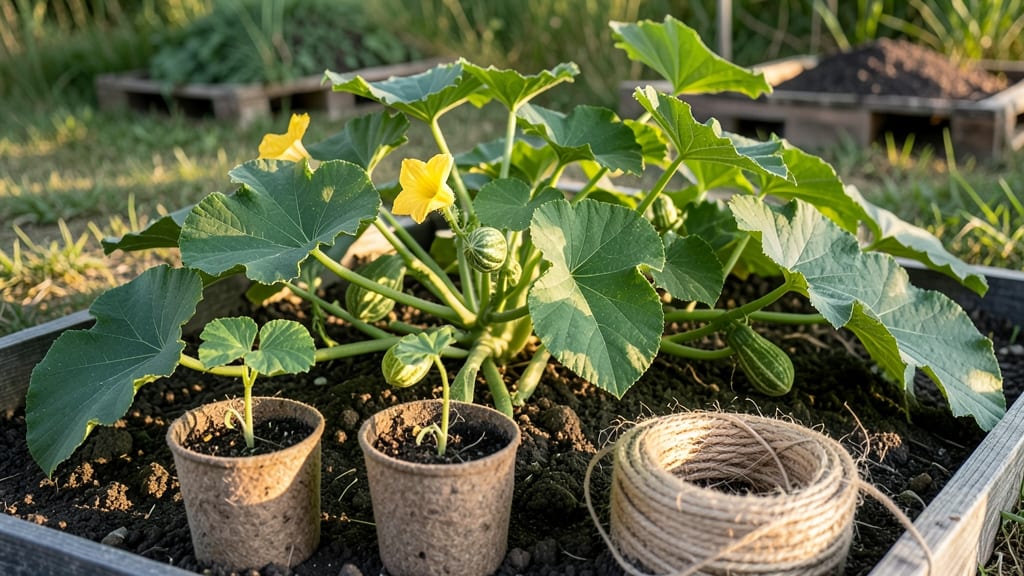
Proper summer squash spacing is the foundation of a productive garden, ensuring each plant gets the airflow and nutrients it needs to thrive 🎃.
Struggling to maximize your summer squash harvest? The secret isn’t just good soil—it’s the spacing between plants. Get this right, and you’ll enjoy bushels of zucchini, pattypan, and yellow squash without competition for space or nutrients.
Too close, and your plants will fight for sunlight and water, leading to stunted growth and disease. Too far apart, and you’ll waste precious garden real estate. The ideal spacing balances yield and plant health, whether you’re working with a sprawling backyard or a compact raised bed.
In this guide, I’ll walk you through the best spacing for different summer squash varieties, how to adjust for small gardens, and the telltale signs of overcrowding—so you can grow a thriving patch every season.
Optimal summer squash spacing by variety for high-yield gardens
Summer squash thrives when given the right amount of space to spread its vines and develop healthy fruit. Proper spacing prevents disease, improves airflow, and ensures each plant gets enough nutrients from the soil.
Whether you're growing bush varieties like pattypan or sprawling vining types like zucchini, the right layout makes all the difference in your harvest.
Most gardeners make the mistake of crowding plants to fit more into small spaces, but this often leads to poor fruit quality and increased pest problems. The key is balancing plant-to-plant distance with row spacing to maximize yield without sacrificing plant health.
For example, a single zucchini vine can spread 3-5 feet if left unchecked, while bush types stay compact at just 2 feet wide.
Here’s the breakdown you need: bush varieties (like pattypan or yellow crookneck) can be planted closer together, while vining types (like straightneck zucchini or yellow squash) need more room to sprawl.
Trellising can also help save space, especially in small gardens or urban containers. Let’s dive into the specifics to get your summer squash growing like a pro.
🌱
The plant-to-plant distance is critical for airflow, which reduces the risk of powdery mildew and other fungal diseases. For example, zucchini plants spaced 3 feet apart will produce larger, healthier fruit compared to those crammed into 1-foot gaps.
Similarly, pattypan squash, which stays bushy, can handle closer spacing of just 18 inches between plants.
When planning your row spacing, consider the mature size of your squash varieties. Vining types like yellow squash need at least 4 feet between rows to accommodate their sprawling vines, while bush types can get by with 3 feet.
If you’re short on space, consider trellising your vining varieties—this can cut row spacing needs by up to 50% while keeping fruits off the ground and easier to harvest.
For small gardens or containers, opt for dwarf or bush varieties like 'Eight Ball' zucchini or 'Golden Zucchini.' These stay compact and can even thrive in 5-gallon pots with proper spacing (1 plant per container).
If you’re growing vining types in containers, use a cage or trellis to guide their growth upward, saving precious ground space for other crops.
Another pro tip: interplanting summer squash with complementary crops like bush beans or radishes can maximize your garden’s efficiency. Beans fix nitrogen in the soil, benefiting squash plants, while radishes grow quickly and can be harvested before the squash vines spread too much.
Just avoid planting squash near potatoes or melons, as they compete for the same nutrients.
If you’re growing multiple varieties, group them by type to streamline care. For instance, keep all bush squash together in one section of your garden and vining types in another. This makes it easier to monitor spacing, water, and harvest without missing a beat.
And remember: thin seedlings to the recommended spacing as soon as they’re 4–6 inches tall to avoid overcrowding later.
Finally, don’t forget that soil quality plays a role in how much space your squash needs. Well-amended soil with plenty of organic matter can support slightly closer spacing because plants have better access to nutrients.
If your soil is poor, err on the side of more space to prevent nutrient competition. A quick soil test before planting will help you adjust spacing for optimal growth.
With the right spacing, your summer squash will flourish, producing an abundance of tender, disease-free fruit all season long. Happy gardening! 🌿
How to adjust spacing for different garden layouts and soil conditions
Summer squash thrives when given the right amount of space, but what happens when your garden layout or soil conditions aren't ideal? Poor soil or limited space can make standard spacing guidelines impractical.
The key is flexibility—adjusting your approach without sacrificing yield or plant health. Whether you're working with raised beds, containers, or compact urban gardens, small tweaks can make a big difference.
For example, raised beds allow for closer spacing because they provide better drainage and nutrient retention. You can plant summer squash 2 feet apart in rows spaced 3 feet apart, saving space while still promoting airflow.
In contrast, containers require even more precision—only 1-2 plants per 5-gallon container—and you’ll need to fertilize more frequently to compensate for limited root space. Poor soil? Amend it with compost before planting and consider high-density planting with bush varieties like Eight Ball zucchini, which stay compact.
Adjusting Spacing for Different Conditions
- Pros: Better drainage, less soil compaction
- Cons: Requires more frequent watering
Spacing: 2 ft apart in rows 3 ft apart
- Pros: Portable, great for small spaces
- Cons: Limited root space, needs frequent feeding
Spacing: 1-2 plants per 5-gallon container
- Pros: Amendable with compost
- Cons: Slower growth, lower yields
Spacing: 2-3 ft apart with compost enrichment
- Pros: Maximizes small spaces
- Cons: Increased risk of disease
Spacing: 1-1.5 ft apart (bush varieties only)
🌱 Note: Always thin seedlings to avoid overcrowding.
If your garden feels too crowded, don’t panic. Start by thinning seedlings to the strongest 2-3 per hill. For mature plants, prune excessive vines to improve airflow, which reduces the risk of powdery mildew.
In high-density situations, prioritize bush varieties like Straight Neck zucchini or Golden Zucchini, which stay compact and produce well even in tight spaces. Just be prepared to monitor for pests and diseases more closely.
Another trick? Interplanting summer squash with companion plants like bush beans or marigolds can help break up the monoculture. This not only saves space but also improves soil health and deters pests.
For example, planting marigolds every 3 feet can reduce nematode pressure, allowing you to space your squash slightly closer without risking disease. Just avoid planting near potatoes or fennel, which compete for nutrients.
Remember, soil quality plays a huge role in how much you can adjust spacing. Amend poor soil with compost or aged manure before planting, and consider adding a slow-release fertilizer to support vigorous growth.
If your soil drains poorly, raised beds or containers become even more valuable—they prevent root rot and allow for better control over moisture levels. With the right adjustments, you can grow healthy, productive summer squash in almost any garden setup.
Don’t let limited space or challenging soil hold you back. By understanding how to adapt spacing, you’ll unlock the potential of your garden—whether it’s a small balcony container or a large raised bed. Experiment with different layouts, and soon you’ll be harvesting abundant, disease-free squash all season long. 🎃