
Plants
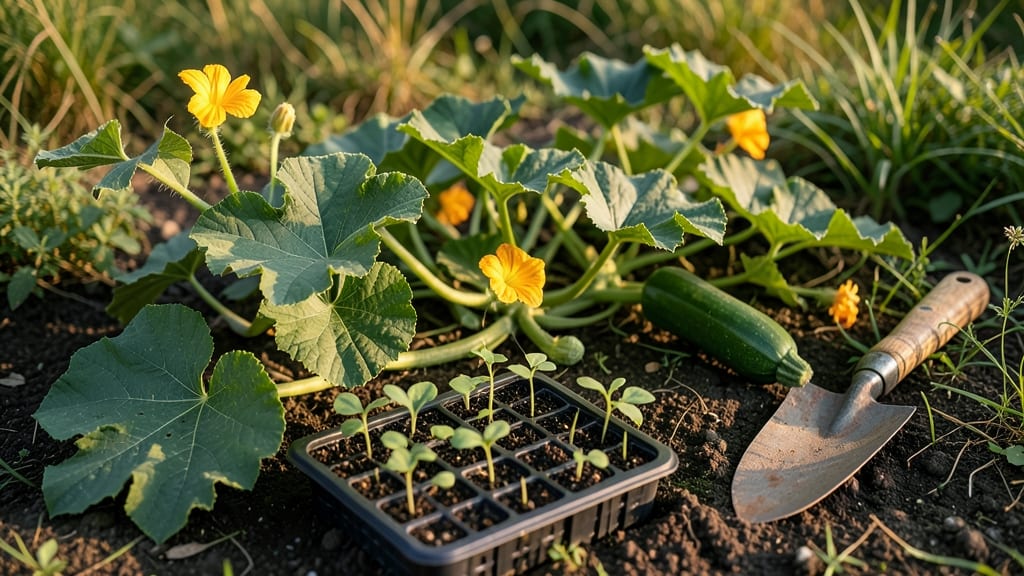
Planting squash in California means timing your seeds when soil hits 60°F and stays there—because a chill snap can stall germination faster than you can say "🎃 harvest."
California’s diverse climate means squash planting times vary dramatically—from coastal mildness to desert heat—so timing your seeds wrong could mean wasted effort or poor yields.
One week too early in the Central Valley, and your zucchini bolts before fruiting; one week too late in the Sierra foothills, and summer’s over before your butternuts ripen.
This guide breaks down the exact frost-free windows for squash (including zucchini, butternut, and pumpkins) across California’s 10 key growing regions, plus pro tips to maximize harvests.
Whether you’re in Zone 9’s inland valleys or Zone 10’s coastal gardens, we’ll cover soil temps, regional quirks, and the best varieties for your microclimate.
Discover how to stretch your growing season with row covers, avoid common pitfalls like bolting, and pick the perfect planting window for summer squash (fast-growing but heat-sensitive) versus winter squash (slow but frost-tolerant). Ready to turn your patch into a pumpkin patch? Let’s get started.
California squash planting calendar by region (frost-free deadlines)
California’s microclimates create a squash gardener’s paradise—but only if you plant at the right time. Unlike frost-prone states, California’s frost-free windows vary wildly from coastal chill (Zone 10) to desert heat (Zone 11).
Summer squash like zucchini need warm soil (60°F+), while winter squash (butternut, pumpkins) thrive in 70–80°F temps. Get your timing wrong, and you’ll either wait forever for germination or watch your plants bolt before producing.
Most of California avoids frost, but elevation matters. Mountain regions like the Sierra foothills (Zone 7) face earlier frosts, while coastal areas (Zone 10+) can grow squash year-round with proper variety selection.
Below, I’ve mapped out the optimal planting windows by region, including heat tolerance notes and top-performing varieties for each zone.
🌱
Notice how Southern California (Zones 10–11) can plant squash nearly year-round, while Sierra foothills (Zone 7) must rush to beat frost. Even within the Central Valley, heat tolerance becomes critical—zucchini bolts at 85°F+, so afternoon shade cloth is a game-changer.
For coastal areas, foggy mornings delay soil warming, so wait until soil hits 60°F before planting, even if air temps feel mild.
Pro tip: Use a soil thermometer to confirm readiness—squash seeds won’t germinate below 60°F, regardless of air temps. In desert regions, shade cloth (30–50%) prevents sunscald on young plants. And if you’re in Zone 10+, don’t overlook fall
How to adjust planting for summer vs. winter squash in California’s climate
California’s climate creates unique challenges for squash growers. Summer squash like zucchini and yellow squash thrive in warm conditions but struggle with heat spikes, while winter squash such as butternut and pumpkins handle cooler temps better.
The key is understanding these differences and adapting your planting schedule to your specific region’s microclimate.
In coastal areas like San Francisco (Zone 10), you can plant summer squash as early as February thanks to mild winters, while inland regions like the Central Valley (Zone 9) should wait until March or April when soil temperatures consistently reach 60°F+.
Winter squash, however, often performs better when seeded in late summer for a fall harvest before temperatures drop.
Summer Squash (e.g., Zucchini) vs. Winter Squash (e.g., Butternut)
Summer Squash
Winter Squash
California’s unpredictable spring rains can delay planting for summer squash. If you’re in a region with wet springs (like Northern California), wait until the soil dries out and warms up before sowing seeds.
For winter squash, focus on late summer planting—typically July or August—to ensure a harvest before any potential frost in mountainous areas.
Another critical factor is heat management. Summer squash varieties like 'Eight Ball' zucchini perform best with afternoon shade in Central Valley heat, while winter squash varieties such as 'Waltham Butternut' thrive in cooler fall conditions.
Mulching with straw can help regulate soil temperatures and conserve moisture, especially during California’s fall heat spikes.
For gardeners in Southern California (Zone 10), where frost is rare, you can even extend your growing season by planting succession crops of summer squash every 2–3 weeks from spring through early summer.
Meanwhile, in cooler inland regions like the Sierra foothills (Zone 7), focus on winter squash varieties that can handle the shorter growing season.
Remember, soil temperature is just as important as air temperature. Use a soil thermometer to confirm your soil has reached 60°F+ before planting summer squash. For winter squash, aim for 70–80°F soil temps during germination. With these adjustments, you’ll maximize your squash yields regardless of California’s climate quirks. 🎃