
Size
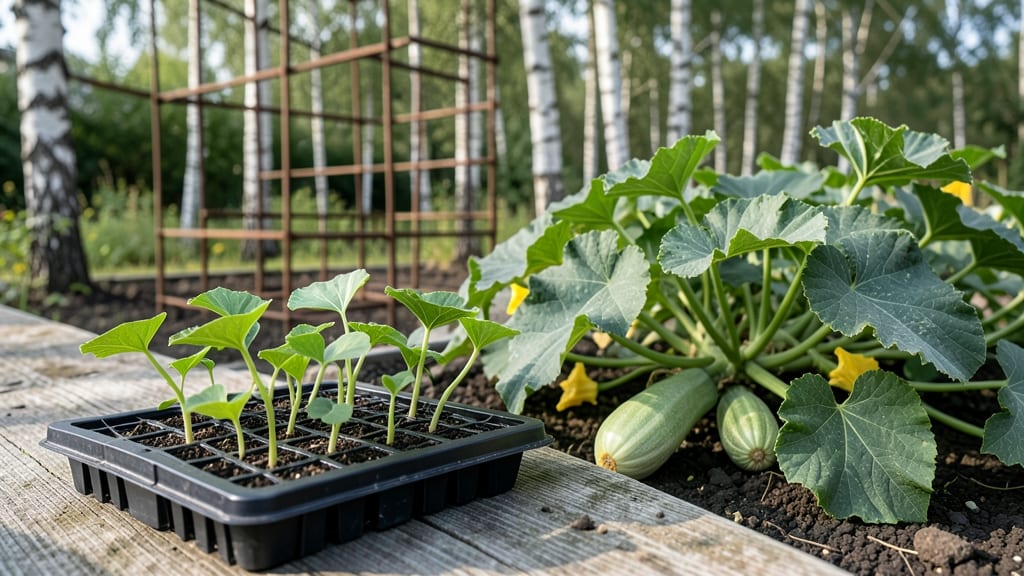
Growing squash at the best time guarantees a garden bursting with 🎃—but timing is the secret weapon most gardeners miss.
If you’ve ever dreamed of a bountiful squash harvest but missed the planting window, you’re not alone—timing is everything for these sun-loving plants. The right season can mean the difference between a few sad squash and a garden overflowing with summer’s most versatile produce.
In USDA Zone 6a, where spring arrives in April and frost lingers until mid-May, planting too early can leave squash vulnerable to cold soil and pests. But wait until the soil hits 60°F—that’s when these vines take off, racing toward a July-September harvest.
Below, I’ll break down the perfect planting window for your region, how to stretch the season with simple tricks, and the mistakes that turn promising starts into wasted effort.


Optimal planting windows for squash by US growing zones
Squash thrives when planted at the right time, but the perfect window varies dramatically across USDA zones 3-11. Whether you're growing summer squash like zucchini or winter squash like butternut, timing affects everything from germination rates to yield size.
In colder zones, you'll need to wait for soil warmth, while warmer climates offer longer growing seasons—sometimes even allowing fall planting.
Most squash varieties demand warm soil temperatures (at least 60°F/15°C) to germinate properly. This means waiting until after the last frost in spring, but also avoiding peak summer heat in southern zones.
For direct sowing, aim for when your region's average nighttime temperatures stay above 55°F/13°C consistently. Transplants can handle slightly cooler conditions but still need well-warmed soil.
Here's how to determine your exact planting window based on your zone:
| USDA Zone | Best Planting Window | Soil Temp Requirement | Notes |
|---|---|---|---|
| Zones 3-4 | Late May - Early June | 60-65°F (15-18°C) | Use row covers for early starts; consider transplants |
| Zones 5-6 | Mid-April - Mid-May | 60°F (15°C) minimum | Direct sow after last frost; summer squash preferred |
| Zones 7-8 | Early April - Late May | 55-60°F (13-15°C) | Can plant winter squash in late summer for fall harvest |
| Zones 9-10 | February - March (spring) OR September (fall) | 50-55°F (10-13°C) | Fall planting works for winter squash varieties |
| Zone 11 | Year-round (avoid summer heat) | 50°F (10°C) minimum | Plant in fall/winter for best results; avoid peak summer |
For summer squash varieties like zucchini or yellow squash, focus on planting when you can harvest within 50-60 days. These fast growers benefit from early spring planting in most zones, giving you a quick harvest before summer pests take over.
In zones 5-8, you can often squeeze in a second planting in early summer for a late-season harvest.
Winter squash varieties like butternut, acorn, or pumpkins need more time—typically 80-120 days to maturity. This means planting 2-4 weeks later than summer squash in cooler zones, or in late summer for fall harvests in warmer climates.
In zone 7, for example, I often plant winter squash around July 1st to ensure they mature before the first frost in October.
One common mistake is planting squash too early when soil is still cold. Seeds may rot in chilly, wet soil, or take weeks to germinate. Always use a soil thermometer to confirm temperatures meet the 60°F minimum.
Another trick is to plant bush varieties (like 'Eight Ball' zucchini) in cooler zones—they mature faster than vining types and handle shorter growing seasons better.
In southern zones (9-11), the biggest challenge is avoiding summer heat stress. Squash plants wilt dramatically in 90°F+ temperatures, so I recommend planting in early spring (February-March) or fall (September-October) for the best results.
If you must plant in summer, provide afternoon shade with row covers or shade cloth to prevent blossom end rot and fruit scarring.
Remember that transplants give you a 2-week head start over direct sowing. In zones 3-5, I often start squash indoors under grow lights 3-4 weeks before the last frost, then transplant when soil warms up. For direct sowing, make hills 12-18 inches apart and plant 2-3 seeds per hill
How to extend your squash growing season for larger harvests
Squash thrives in warm weather, but that doesn’t mean you’re limited to the traditional spring planting window. With the right strategies, you can extend your harvest by weeks—or even months—while protecting tender plants from early frost or late-season pests.
Whether you're in a short growing season zone or just want to maximize your yield, these techniques will help you grow squash longer and bigger.
One of the simplest ways to push your squash season is by using season extenders like row covers or cold frames. These tools create a microclimate that traps heat and shields plants from chilly temperatures.
For example, a floating row cover can protect young squash seedlings from light frost while still allowing sunlight to penetrate. This means you can plant 2-3 weeks earlier in spring or harvest 2-3 weeks later in fall without risking damage.
- Use row covers to plant 2-3 weeks earlier and harvest later without frost damage.
- Set up cold frames for early spring or late fall planting in zones 3-7.
- Practice succession planting every 2 weeks for a continuous harvest.
- Plant companion plants like nasturtiums or marigolds to repel pests and improve yield.
- Choose fast-maturing varieties (e.g., Bush Early Gold) for earlier harvests.
Another game-changer is succession planting. Instead of planting all your squash seeds at once, stagger them every 2 weeks throughout the ideal planting window. This ensures a steady supply of fresh squash all season long.
For example, if your last frost date is May 15, plant your first batch in early May, then follow up with 2-3 more plantings in late May and early June. This method works especially well for summer squash varieties like zucchini, which mature quickly.
Don’t overlook the power of companion planting to protect your squash and boost growth. Nasturtiums and marigolds are excellent companions because they repel squash bugs and cucumber beetles, two of the most common squash pests. Plant them around the edges of your squash patch or intersperse them between rows.
You can also try bush beans, which fix nitrogen in the soil and improve plant health. Avoid planting squash near potatoes or peppers, as they can compete for nutrients or attract similar pests.
For gardeners in cooler climates (zones 3-6), a cold frame is a game-changer. These low, glass-covered structures can raise soil temperatures by 10-15°F, allowing you to plant squash 4-6 weeks earlier in spring or extend harvests into late fall.
To use one, fill it with well-draining soil, plant seeds in early spring, and remove the cover once temperatures stabilize. Cold frames also protect young plants from wind and heavy rain, giving them a stronger start.
Finally, always choose fast-maturing varieties if you're pushing the limits of your growing season. Summer squash like Eight Ball zucchini or Yellow Crookneck typically mature in 45-55 days, while winter squash like Butternut or Acorn take 80-100 days.
If you're planting late in the season, opt for early-maturing varieties to ensure you get a harvest before the first frost. Pair this with row covers to buy even more time.
With these strategies, you’ll turn your squash patch into a year-round producer, even in challenging climates. Start small—try one or two methods this season—and watch your harvest grow bigger and longer than ever before. Happy gardening! 🎃