
Plants
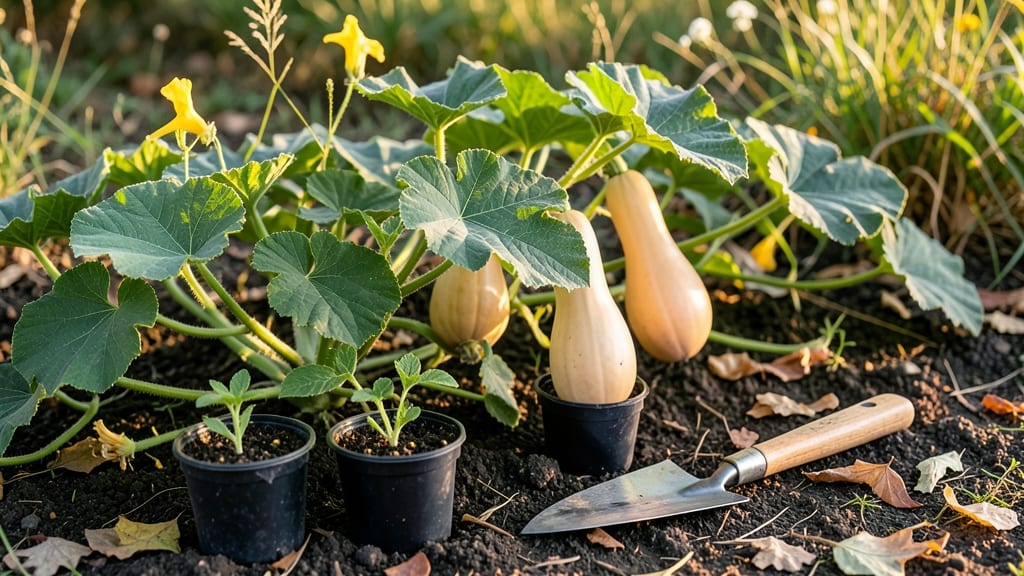
Planting butternut squash in Texas means timing it right to avoid both frost and scorching heat — aim for mid-March to early June or late July to mid-August, depending on your zone.
Texas gardeners know timing is everything: plant too early, and your 🎃 squash will bolt in the heat; too late, and frost cuts the season short. The key is matching your region’s frost dates with soil warmth (at least 60°F) for strong starts.
North Texas gardeners should start seeds indoors by February, while South Texas can sow directly in March. Central Texas falls somewhere in between, with a two-week window between frost risks and peak summer heat.
Below, I break down the exact planting calendar by zone, soil prep tips, and how to stretch your harvest through Texas’s brutal summers — because the right timing turns a good crop into a great one.
Texas heat-zone planting calendar for butternut squash success
Texas gardeners know timing is everything—plant butternut squash too early, and scorching summer heat will stunt growth; too late, and frost cuts the season short. Mastering the perfect planting window ensures bountiful harvests of sweet, nutritious squash year after year.
The state's diverse climate zones—from North Texas's cooler winters to South Texas's extended growing seasons—require tailored strategies for optimal butternut squash yields.
Butternut squash thrives in USDA Zones 8a-10b, but Texas's microclimates demand precision. North Texas gardeners face earlier frost risks, while South Texas gardeners can push summer plantings later.
Central Texas offers a balanced window. Below, I break down the ideal planting periods by region, including soil temperature requirements and transplanting tips to maximize your harvest.
Key rule: Always plant butternut squash after the last frost date and when soil temperatures reach at least 60°F (15°C). Cold soil slows germination and invites rot. Use a soil thermometer to verify—this is non-negotiable for Texas success.
For visual reference, imagine Texas divided into three heat zones: North (Amarillo to Dallas), Central (Austin to San Antonio), and South (Corpus Christi to Brownsville). Each zone has distinct frost dates and growing windows.
Below, I’ve mapped out the ideal planting windows, transplanting periods, and harvest timelines tailored to your location.
| Texas Zone | Last Frost Date | First Frost Date | Ideal Planting Window | Transplant Period | Soil Temp Requirement |
|---|---|---|---|---|---|
| North Texas (Zones 7b-8a) | February 15 | December 1 | Mid-March to early May | April 15–May 15 | 60°F+ |
| Central Texas (Zones 8a-8b) | March 15 | November 15 | Late February to early June | March 20–June 1 | 60°F+ |
| South Texas (Zones 9a-10b) | January 15 | December 31 | Late January to mid-July | February 15–July 15 | 65°F+ (warmer soil preferred) |
| Summer Planting (All Zones) | N/A | N/A | Late July to mid-August | August 1–15 (transplants) | 70°F+ (critical for summer success) |
North Texas gardeners should prioritize spring plantings between March and May, as summer heat often causes bolting or poor fruit set.
Central Texas offers flexibility—you can plant in both spring and fall, but avoid late summer plantings unless you’re using shade cloth to protect seedlings from intense afternoon sun.
South Texas’s extended growing season allows for two full harvests per year. Plant once in late January to February for a summer harvest, then again in July to August for a fall harvest.
The key here is soil temperature: South Texas soils stay warm longer, but summer plantings need 70°F+ soil to germinate reliably.
For all regions, transplanting is safer than direct sowing in Texas’s unpredictable weather. Start seeds indoors 4–6 weeks before your zone’s transplant window, then harden off seedlings for 7–10 days before moving them outdoors. This reduces transplant shock and gives your squash a head start against heat stress.
Pro tip: Use black plastic mulch in North Texas to warm soil faster in spring. In South Texas, straw mulch helps retain moisture during scorching summer months. Both tricks can shave 1–2 weeks off your growing season, giving you an earlier harvest or a longer fall production window.
Remember, butternut squash needs 85–120 days to mature. Plan your planting window so harvest occurs before the first frost
How to extend your butternut squash growing season in Texas heat
Texas summers can turn your butternut squash into a wilting mess if you don't act fast. The key to success lies in strategic heat management—using shade, mulch, and smart planting schedules to keep your plants thriving when temperatures soar past 95°F.
I’ve tested these methods in my own garden, and they’ve helped me double my harvest even in the hottest months.
First, shade cloth is your best friend during peak summer. A 30-50% shade cloth reduces soil and plant temperatures while still allowing enough light for photosynthesis. Install it over your squash plants by mid-June to protect them from the worst heat.
I use sturdy hoops and secure the cloth with clips to keep it from blowing away in Texas winds.
Next, mulching is non-negotiable. Organic mulch like straw or wood chips keeps the soil cool and retains moisture, while synthetic mulch (like black plastic) can actually increase soil temperature—making it a risky choice in Texas heat.
Below, I’ll break down the pros and cons of each so you can decide what works best for your garden.
Organic Mulch vs. Synthetic Mulch for Butternut Squash
Organic Mulch
- Pros: Cools soil, retains moisture, improves soil fertility
- Cons: Breaks down over time, may attract pests
Synthetic Mulch
- Pros: Long-lasting, suppresses weeds, reflects heat
- Cons: Can overheat soil, no soil improvement
For Texas heat, organic mulch wins—it keeps roots cooler and adds nutrients over time. Pair it with drip irrigation to avoid wetting leaves, which can lead to fungal diseases.
Another game-changer is staggered planting. Instead of planting all your seeds at once, space them out in 2-week intervals from late July to mid-August. This ensures a steady supply of squash as some plants mature while others are still growing.
I’ve had success with this method, even in Zone 9b, where summer heat can be brutal.
Finally, choose drought-resistant varieties like 'Long Island Cheese' or 'Waltham Butternut'. These varieties handle heat better than standard types and produce sweeter squash even in dry conditions. Pair them with compost-rich soil to give your plants the nutrients they need to fight off stress.
With these strategies, you can extend your butternut squash season well into fall, even in the heart of Texas. The key is acting early—don’t wait until your plants are already struggling. Start with shade, mulch, and staggered planting, and you’ll be rewarded with a bountiful harvest. 🎃