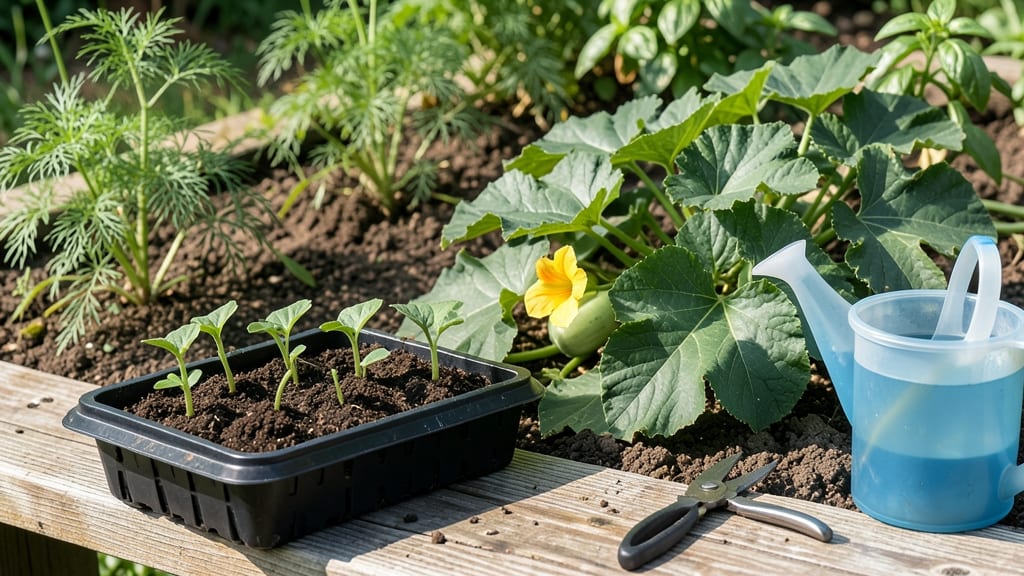
Planting squash in Texas means timing it right for the heat zones—soil warmth and summer sun are your best friends, not your enemies.
Texas gardeners know timing is everything—plant too early, and you’ll battle frost; too late, and the brutal summer heat can stunt growth. But with Texas’ unique heat zones, you can master the perfect planting schedule for bumper crops.
Most Texas regions let you start squash seeds as early as February in the Gulf Coast, while North Texas waits until April to avoid late frosts. The key is soil temperature: aim for 60°F or warmer, and you’ll give your 🌱 squash the strong start it needs.
Here’s how to pinpoint your region’s perfect window, plus heat-beating tips for squash that thrives in Texas’ sweltering summers.
🌱When to Plant Squash
Jan❄️
Feb❄️
Mar🌱
Apr🌱
May🌱
Jun🌱
Jul☀️
Aug☀️
Sep🍂
Oct🍂
Nov🍂
Dec❄️
Ideal Time
Also Good
Texas heat-zone map for squash planting: best months by region
Texas' 11 distinct heat zones (A-K) create unique microclimates where squash thrives—or struggles—depending on planting timing. Unlike traditional USDA hardiness zones, these zones focus on soil warmth and frost-free periods, which directly impact squash growth.
For example, Zone A (Panhandle) can plant 6 weeks earlier than Zone K (Gulf Coast) due to milder winters.
Squash requires soil temperatures above 60°F to germinate properly. In North Texas (Zones B-D), this typically means waiting until late March to April, while South Texas (Zones J-K) can start as early as February.
The key is balancing frost risk with heat tolerance—plant too soon, and frost will kill seedlings; too late, and summer's intensity will stress plants.
Here’s how to align your planting with Texas’ heat zones, including USDA zone cross-references and local adjustments like Hill Country elevation or Gulf Coast humidity. Use this guide to pick your zone and lock in the best 2-3 week planting window for maximum yields.
Pro Tip: Always check your local AgriLife Extension office for last frost dates—they update annually based on weather patterns. For example, San Antonio (Zone H) averages March 15 for last frost, but El Paso (Zone B) can see frost as late as April 15.
Heat Zone
USDA Zone
Last Frost Date
A (Panhandle)
7-8
March 1 - 15
B (North TX)
8a-8b
March 15 - April 1
C (Dallas/Fort Worth)
8a-8b
March 20 - April 5
D (Central TX)
8a-8b
March 25 - April 10
E (Austin/San Marcos)
8a-8b
March 30 - April 15
F (Hill Country)
8a-8b
April 1 - April 15
G (East TX)
8a-8b
March 15 - April 1
H (San Antonio)
8b-9a
March 15 - April 1
I (South TX)
9a-9b
February 15 - March 1
J (Gulf Coast)
9a-10a
January 30 - February 15
K (Rio Grande Valley)
10a-11
January 15 - February 1
Best Planting Windows by Zone
Zone
Optimal Planting Window
Soil Temp Requirement
A-K
2-3 weeks after last frost
≥60°F
A-D
April 1 - May 15
60-70°F
E-H
March 15 - April 30
How to time squash planting for Texas’ summer heat: avoiding bolting and wilting
Texas summers can turn your squash plants into crispy snacks if you're not careful. The key to success lies in strategic timing and heat management—especially when planting summer squash like ‘Straightneck’ or ‘Caserta’.
These varieties thrive in heat but need the right conditions to avoid premature bolting or wilting under the relentless Texas sun.
Instead of planting all your squash at once, I recommend succession planting in 2-3 week intervals from late February through early June. This spreads out your harvest and reduces stress on plants during peak heat.
For example, ‘Caserta’ squash planted in March will mature before the worst summer heat arrives, while a second planting in May gives you a fall harvest.
🌱 March-April: Plant ‘Straightneck’ and ‘Caserta’ for early summer harvests
🌡️ May-June: Use shade cloth (30-50%) for new plantings to prevent wilting
💧 June-August: Mulch with straw or black plastic to retain moisture and cool roots
🌿 September: Plant ‘Butternut’ squash for fall harvests—it tolerates cooler temps
One of my favorite tricks is using black plastic mulch to warm the soil faster in early spring plantings. This helps summer squash varieties like ‘Yellow Crookneck’ germinate quickly and establish roots before the heat ramps up. Just remember to remove the mulch once plants are established to prevent overheating.
For late-season plantings, I swear by drip irrigation paired with shade cloth. When temperatures exceed 95°F, even heat-tolerant varieties like ‘Caserta’ can struggle. A 30% shade cloth reduces leaf scorch while still allowing enough light for photosynthesis.
Water deeply in the early morning to prevent fungal issues from evening moisture.
Don’t forget about soil preparation—Texas clay can bake hard under the sun. Amend your beds with compost or aged manure before planting to improve water retention. I also add a 5-10-10 fertilizer at planting time to give squash plants a strong start.
For succession plantings, I use a balanced organic fertilizer every 3-4 weeks to keep plants productive.
Even with perfect timing, some varieties handle Texas heat better than others. For example, ‘Straightneck’ squash matures quickly (about 50-55 days) and can handle brief heat waves, while ‘Butternut’ squash prefers cooler fall temperatures. Always check the days-to-maturity on seed packets and adjust your planting schedule accordingly.
With these strategies, you’ll avoid the common pitfalls of bolting (when plants flower too early) or wilting under Texas’ intense sun. The key is adapting your approach based on your local microclimate—whether you're in the Gulf Coast’s humidity or the Hill Country’s dry heat. Happy planting! 🌿