
Plants
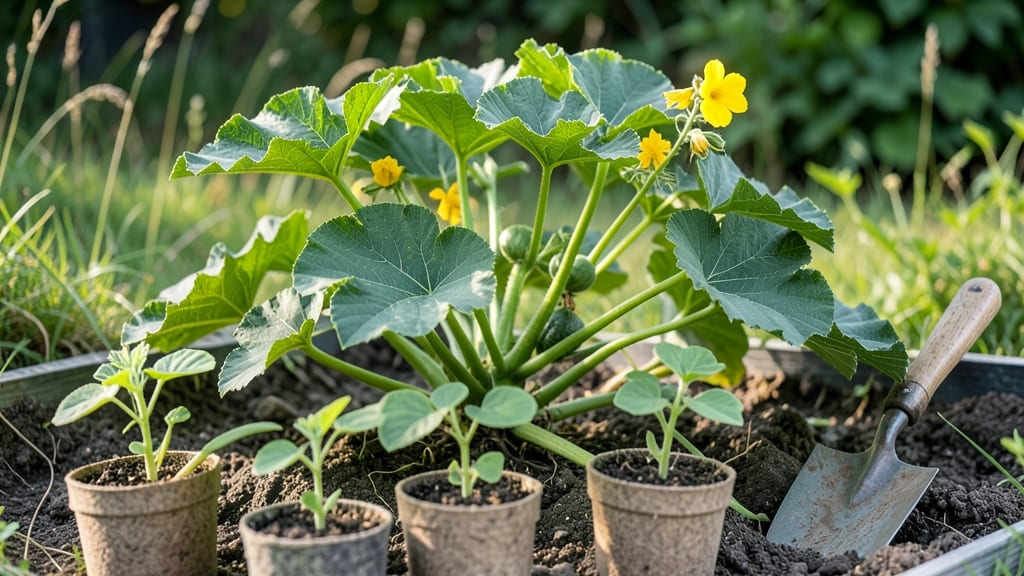
Planting butternut squash at the right time means the difference between a bountiful harvest and a bitter, stunted mess—so timing isn’t just about the calendar, it’s about the soil, the sun, and your local frost dates.
Butternut squash 🎃 loves warmth, and if you plant too early, the cold will slow its growth or even kill the seedlings. Too late, and the vines won’t have enough time to mature before frost.
The sweet spot? When the soil hits 60°F and stays there, usually 2-4 weeks after your last frost date—but there’s more to it than that.
In USDA Zone 6a, like where I garden, that window is tight: April 15–May 15 for most varieties, with fast-maturing types like ‘Waltham Butternut’ giving you a little wiggle room. Miss it, and you might end up with small, seedy squash or none at all.
Below, I’ll break down exactly how to time it—whether you’re starting seeds indoors, direct-sowing, or adjusting for early/late starts—plus the companion plants and spacing tricks that boost yields.
Optimal planting dates for butternut squash by US growing Zones
Timing your butternut squash planting by your USDA zone is the secret to avoiding frost damage and bitter-tasting fruit. These warm-season plants need soil temperatures above 60°F and 80-100 frost-free days to mature properly.
Whether you're in Zone 3 or Zone 11, understanding your local frost dates and soil warmth is key to a bountiful harvest.
Butternut squash can be planted either directly outdoors or started as seedlings indoors. For direct sowing, wait until all danger of frost has passed and soil is consistently warm.
If starting indoors, transplant seedlings when they're 2-3 weeks old and soil reaches 60°F. Each growing zone has unique windows for both methods to maximize success.
| USDA Zone | Last Frost Date | Direct Sow Window | Transplant Window | Soil Temp Requirement |
|---|---|---|---|---|
| Zones 3-5 | Mid-May to early June | After last frost (June 1-15) | May 1-15 (seedlings) | 60°F+ consistently |
| Zones 6-8 | Mid-April to early May | April 15-May 1 | April 1-May 15 | 60°F+ consistently |
| Zones 9-11 | Late February to early March | March 1-April 15 | February 15-March 30 | 60°F+ (warmer climates may need shade) |
In Zones 3-5, where frost lingers longer, I recommend starting seeds indoors 4-6 weeks before your last frost date. Transplant seedlings outdoors only after soil warms to 60°F and nighttime temperatures stay above 50°F.
If you miss this window, consider using black plastic mulch to warm the soil faster.
Gardeners in Zones 6-8 have the most flexibility. Direct sow seeds 2 weeks after your last frost date when soil reaches 65°F. For a longer harvest, make succession plantings every 2 weeks until July 15. This ensures you have butternut squash maturing at different rates throughout the season.
For Zones 9-11, where winters are mild, plant in late winter (February-March) to take advantage of cooler temperatures. Use shade cloth during peak summer heat to prevent bolting. In these zones, you can even get two harvests per year by planting early and late.
If you're unsure about your last frost date, check your local USDA Plant Hardiness Zone Map or ask at your county extension office. For a quick estimate, subtract 15 days from your average last frost date—this gives you a safe window for planting.
Always monitor your soil temperature with a thermometer for accuracy.
For early starts, consider using biodegradable pots to transplant seedlings. This method reduces transplant shock and gives your butternut squash a head start. Just be sure to harden off seedlings by exposing them to outdoor conditions for 7-10 days before planting.
Adjust your planting timeline if you notice unusually cold springs or late frosts. In these cases, opt for fast-maturing varieties like 'Waltham Butternut' (80 days) or use row covers to protect young plants. Remember, butternut squash needs 90-110 days to harvest, so plan accordingly.
Pro tip: Mark your planting dates on a calendar and set reminders for fertilizing and watering schedules. Consistent care after planting ensures your butternut squash grows strong and sweet. With the right timing, you'll be enjoying homegrown squash straight from the vine by fall!
Signs your soil is ready for butternut squash (beyond the calendar)
Forget relying solely on the calendar—your butternut squash needs soil that’s warm and active. Cold, damp soil slows germination and invites rot, while warm soil (above 60°F) signals it’s time to plant.
I’ve learned the hard way that rushing too early leads to leggy, weak seedlings that struggle to thrive.
Instead of guessing, test your soil’s readiness with simple methods. A soil thermometer is the gold standard—insert it 2 inches deep and wait for readings above 60°F consistently for a few days.
If you don’t have one, try the potato test: bury a raw potato near your planting spot for 24 hours. Dig it up—if it’s slightly softened (not mushy), your soil is warm enough.
Visual cues from your garden also reveal soil readiness. Look for weeds like lambsquarters or purslane, which thrive in warm soil. If earthworms are actively surfacing after rain, that’s another green light.
These signs mean your soil has warmed naturally and is teeming with microbial life—perfect for butternut squash roots.
🌱 Key Takeaway: When to Plant Butternut Squash
If your soil is still too cold, don’t panic—you can warm it naturally without expensive row covers. Spread a 3-inch layer of straw mulch 1-2 weeks before planting to absorb sunlight and raise temperatures.
Planting on black plastic mulch (like those used for tomatoes) works too, but remove it before sowing seeds to avoid overheating.
Companion planting can also help signal soil readiness. Interplant radishes or bush beans alongside your squash hills—they germinate faster and act as early indicators. If these fast growers thrive, your butternut squash seeds will too.
Plus, beans fix nitrogen in the soil, giving your squash a nutrient boost once it’s established.
Remember, butternut squash needs 90-110 days to mature, so time your planting to finish before the first frost. In cooler climates, aim for early June sowing to ensure a fall harvest.
If you’re in a warmer zone, you might get away with late April or May plantings—but always confirm with soil tests.
Trust your soil’s signals, not just the calendar. When weeds are sprouting, earthworms are active, and your thermometer hits 60°F, it’s time to plant. Your butternut squash will reward you with sweeter, larger fruit when given these ideal conditions. Happy gardening! 🎃