
Plants
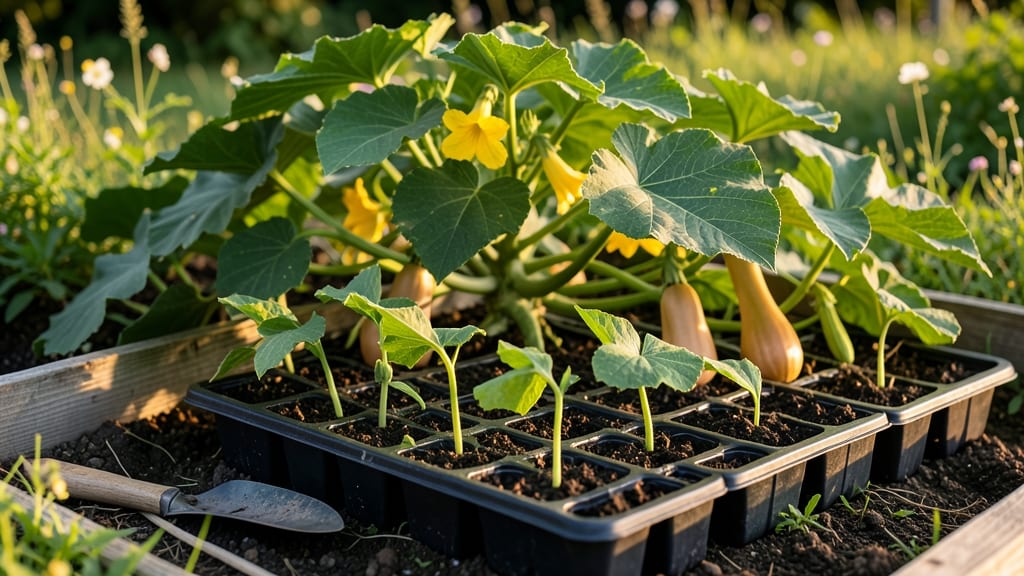
Planting butternut squash in NC means timing it right to avoid early frosts or sweltering summer heat — the 60-90 day window demands precision.
North Carolina’s diverse climate means butternut squash planting dates can vary dramatically—from the mountains to the coast—so timing is everything for a bountiful harvest. Miss the window, and you risk stunted growth or fruit that never matures.
In most of NC’s 6b-8a zones, your best bet is mid-April to early June for spring plantings, or late June to early July for a fall harvest. But coastal areas like Wilmington have earlier frost dates, while the mountains stay cool longer.
Below, I’ll break down the exact frost-free dates by region, soil prep tips, and how to stretch your growing season for maximum yields—no guesswork, just proven NC strategies.
NC frost-free dates by county: ideal planting windows for butternut squash
North Carolina's varied geography creates distinct planting zones for butternut squash. The mountains (like Haywood County) have later frost-free dates, while the coastal plains (like Dare County) warm up earlier.
Butternut squash thrives with 60-90 days of warm weather, so timing your spring or fall planting correctly is crucial for a successful harvest. Let's break down the exact windows by region to help you plan.
For spring planting, aim to sow seeds 2-3 weeks after your county's last frost date. Butternut squash needs soil temperatures above 60°F to germinate properly. In fall planting, seed in late June to early July for a late-season harvest before the first frost.
The key is understanding your county's frost-free window—typically 200-240 days across NC.
Here's a quick reference for NC's three main regions:
- Mountains (Asheville, Boone): Last frost late April, first frost early October
- Piedmont (Raleigh, Greensboro): Last frost mid-April, first frost mid-October
- Coastal (Wilmington, Morehead City): Last frost early April, first frost late October
Use this interactive county map to find your exact frost-free date: North Carolina Frost Dates. Hover over your county to see precise dates tailored to your microclimate. For example, Catawba County (Piedmont) averages April 22 for last frost, while Currituck County (coastal) warms up by April 10.
For spring planting, butternut squash seeds should go into the ground when the soil temperature consistently stays above 60°F. Use a soil thermometer to check—this usually aligns with your county's last frost date plus 2-3 weeks.
In the Piedmont, this means planting around May 1, while coastal NC gardeners can start as early as April 15.
Fall planting offers a second chance for harvest. Seed in late June to early July for a
How to adjust planting time for mountain vs. coastal NC climates
North Carolina’s mountain regions and coastal plains create wildly different growing conditions for butternut squash. In the Appalachian Mountains, cooler temperatures mean you can plant 2-3 weeks earlier than coastal areas, while the Piedmont follows standard timing.
These microclimates affect everything from soil warming to frost risk, so let’s break it down.
For mountain zones (USDA 6b-7a), aim to plant butternut squash seeds mid-April to early May—once soil reaches 60°F. The last frost typically hits late April in Asheville or Boone, giving you a 90-day growing window before early October frosts.
Coastal areas like Wilmington or Morehead City, however, have earlier last frosts (early April) but warmer soils later, so delay planting until late April to early May.
Here’s how the key differences play out in practice:
| Region | Last Frost Date | Ideal Planting Window | Soil Temp Threshold | Frost Risk Mitigation |
|---|---|---|---|---|
| Mountains (Asheville, Boone) | Late April | Mid-April to early May | 60°F+ (earlier warming) | Row covers for early Oct frosts |
| Piedmont (Raleigh, Greensboro) | Mid-April | Late April to early June | 60°F+ (standard timing) | Black plastic mulch for warmth |
| Coastal (Wilmington, Morehead City) | Early April | Late April to early May | 65°F+ (soil warms slower) | Transplant hardened seedlings |
In coastal NC, soil stays cooler longer due to humidity, so transplanting hardened seedlings (instead of direct sowing) can give you a 2-week head start. Start seeds indoors in late March and move them out after the mid-April frost danger passes.
For mountain gardeners, focus on soil warming tricks like black plastic mulch or raised beds to hit that 60°F threshold faster.
One critical mistake is planting too early in coastal areas—squash seeds won’t germinate below 65°F, and young plants can rot in cold, damp soil. Use a soil thermometer to confirm readiness.
For fall harvests, aim to plant late June to early July in all regions, giving fruit time to mature before the first frost.
Pro tip: In mountain regions, extend your season by planting half your seeds in early May and the other half in late June for staggered harvests. Coastal gardeners should prioritize shade cloth in peak summer to prevent fruit from sunscald.
🌱