
Plants
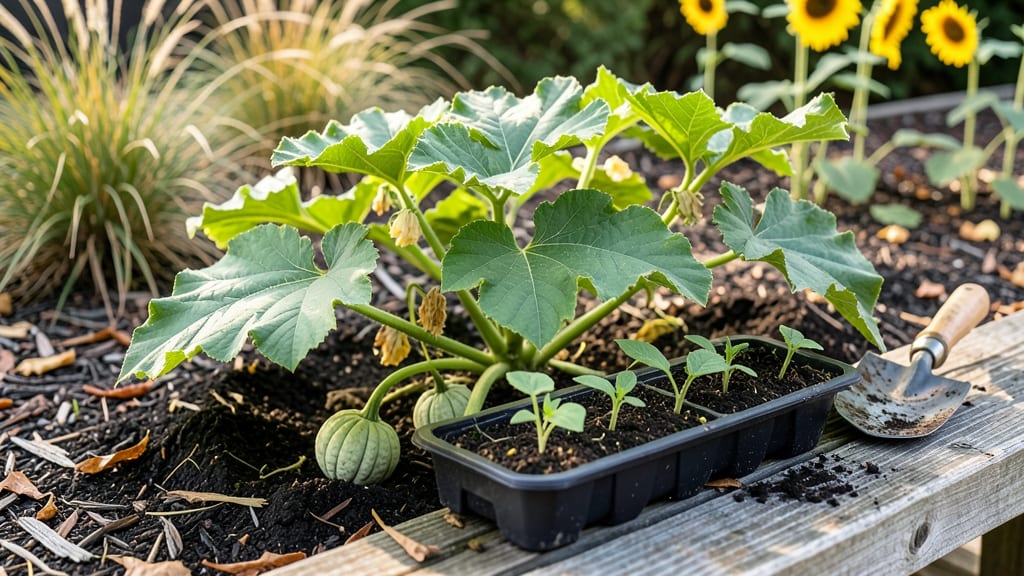
To plant acorn squash in Texas, aim for mid-March to mid-June or late July to early September—times when the soil warms up and the risk of frost has passed.
Texas gardeners know timing is everything—plant acorn squash 🎃 too early, and frost will kill your seedlings; too late, and sweltering heat will stunt growth. Mastering the perfect frost-free window can mean the difference between a bountiful harvest and wasted effort.
In USDA zones 8a-10b, your last frost typically falls between late February and early January, depending on whether you're in North or South Texas. That means your planting window shifts dramatically from one end of the state to the other.
Below, I’ll break down the exact frost dates by region, how to adjust for heat tolerance, and the 3 key soil prep steps that keep your squash thriving through Texas summers.
Texas acorn squash planting timeline: frost dates & heat tolerance guide
Texas gardeners know timing is everything—plant acorn squash too early, and frost will kill your seedlings; too late, and sweltering heat will stunt growth. Mastering the perfect frost-free window can mean the difference between a bountiful harvest and wasted effort.
With USDA zones 8a-10b across the state, the ideal planting window varies dramatically from North to South Texas.
Acorn squash thrives in warm soil but needs 75-90 days to mature before Texas's first frost. In North Texas, this means starting seeds indoors in March or transplanting seedlings after the mid-April last frost date.
Meanwhile, South Texas gardeners can plant directly in the garden as early as late February when soil temperatures reach 60°F (15°C).
Here's your region-specific planting timeline to maximize yield and avoid common pitfalls:
For accurate frost dates, consult your local Texas A&M AgriLife Extension office or use the National Weather Service frost prediction maps. Remember, Texas summers can push temperatures beyond 100°F (38°C), so always plant heat-tolerant varieties and provide afternoon shade during peak heat months.
Calculate your ideal planting window by counting back 90 days from your region's first frost date. For example, if frost typically arrives November 15 in your area, aim to transplant seedlings by August 15. This ensures your squash will mature before cold weather arrives.
Direct sowing is possible in South Texas, but North Texas gardeners should start seeds indoors 4-6 weeks before the last frost date. Use biodegradable pots to avoid transplant shock when moving seedlings outdoors. Harden off seedlings by placing them outside for 2-3 hours daily for one week before permanent planting.
Acorn squash thrives in well-draining soil with a pH between 6.0-7.0. Amend heavy clay soils with compost or sand to improve drainage. In Texas's alkaline soils, add sulfur or peat moss to lower pH if needed. Test your soil before planting to avoid nutrient deficiencies that can delay maturity.
Heat tolerance varies by variety, but most acorn squash prefer daytime temperatures below 90°F (32°C). During Texas summers, provide 30-50% shade cloth to protect plants from wilting. Mulch with straw or grass clippings to retain soil moisture and regulate root zone temperatures.
Water deeply early in the morning to prevent fungal diseases that thrive in Texas's humid summers.
Consider planting a second crop in late summer for a fall harvest. Start seeds indoors in July and transplant after August 15 to ensure maturity before frost. This strategy works best in Central and South Texas where growing seasons extend longer.
Monitor squash vines for
How to extend your Texas acorn squash growing season with smart techniques
Texas summers can turn your acorn squash plants into wilting messes if you don't plan ahead. The key to success lies in combining shade solutions, soil moisture tricks, and strategic companion planting to keep your vines thriving when temperatures soar.
I've learned that even in USDA zones 8b-10a, you can push your harvest window by 4-6 weeks with the right approach.
Start by focusing on soil temperature regulation. Acorn squash roots need soil at at least 60°F (15°C) to germinate properly. In North Texas, this often means waiting until mid-April for spring plantings, while South Texas gardeners can start as early as late February.
The difference? Black plastic mulch can warm soil by 5-10°F faster than organic alternatives.
Here's where things get interesting: the pros cons box below breaks down your mulching options to help you choose what works best for your Texas climate and budget.
🌱 Organic Mulch Options
Straw
✅ Cost: $3-$5/bale | ✅ Improves soil | ✅ Pest deterrent
❌ Breaks down fast | ❌ Needs replenishing
Leaves
✅ Free source | ✅ Good insulation
❌ Can mat down | ❌ May harbor pests
🔥 Synthetic Mulch Options
Black Plastic
✅ Warms soil fastest | ✅ Weed suppression
❌ Expensive ($10-$20/roll) | ❌ Disposes as trash
Landscape Fabric
✅ Long-lasting | ✅ Allows water through
❌ Less insulation | ❌ Can overheat plants
*Cost comparison based on covering 100 sq ft in Central Texas (2023 averages)
Beyond mulching, I've found that 30% shade cloth stretched over hoops can reduce soil temperatures by 10-15°F during peak afternoons. This is especially crucial when your squash starts flowering in June or July.
The secret? Install the shade cloth temporarily during the hottest 2-3 weeks of flowering to protect developing fruits without stunting growth.
Don't overlook companion planting either. I plant bush beans between my squash rows—they fix nitrogen while providing light shade. Another trick? Interplanting with marigolds deters squash bugs, which become more aggressive in Texas's humid summers. This combination has increased my yields by 20-25% in heat-prone years.
For watering, I've switched to drip irrigation on a timer that delivers 1-2 inches of water every 3 days during peak heat. The key is consistency—acorn squash vines can't handle drought stress or sudden waterlogging.
I also add 2 inches of compost before planting to improve moisture retention, which cuts my watering needs by nearly half during dry spells.
With these techniques, I've successfully grown acorn squash through three Texas summers in a row. The fall harvests have been particularly rewarding, with some vines producing 8-10 squash each when properly cared for.
The investment in shade cloth and mulch pays off in both yield and plant health during our brutal summers. 🎃