
Plants
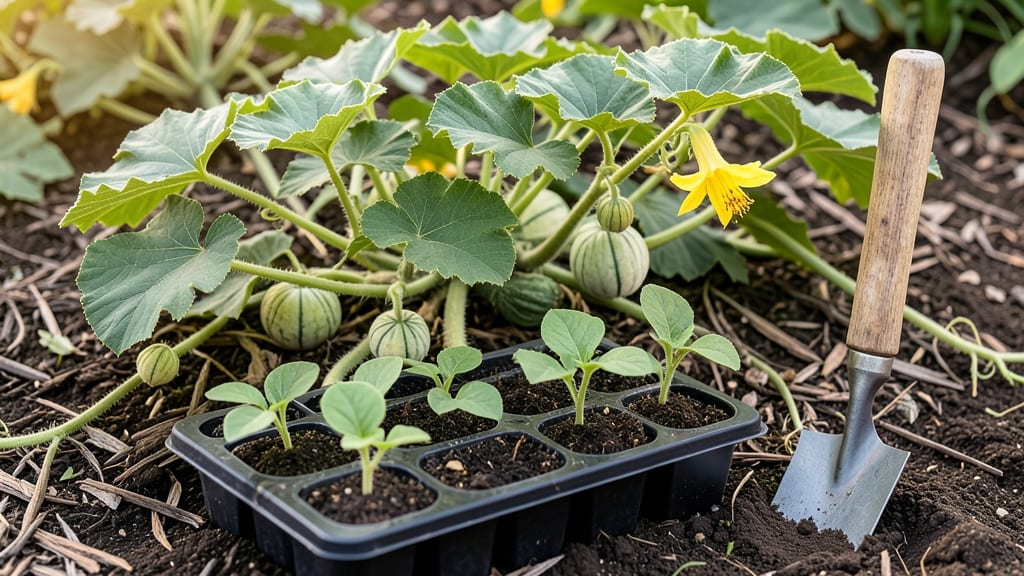
Planting winter squash in Texas at the right time means the difference between a bountiful harvest and a wasted season—because one wrong move, and your 🎃 vines either shrivel in the heat or rot in the rain.
Texas gardeners know timing is everything—plant too early, and frost ruins your harvest; too late, and heat stress stunts growth. But with Texas’ diverse climate zones, the perfect window varies dramatically from the Panhandle to South Texas.
Whether you’re in Zone 8a or 10b, the key is planting when soil temps hit 60°F and counting back 90 days to maturity. That means late spring for North Texas and early fall for the Rio Grande Valley.
Below, I’ll break down the exact dates by region, plus how to adjust for Texas’ unpredictable weather—so you can finally grow those heirloom butternuts you’ve been dreaming of.
Texas winter squash planting dates by USDA Zone (with exact months)
Texas spans USDA Zones 7-10, creating wildly different planting windows for winter squash. In Zone 7 (North Texas), where first frosts hit by December 1, you’ll want to plant butternut and acorn squash by mid-April to avoid heat stress.
Meanwhile, Zone 10 (South Texas) gardeners can start seeds as early as late February—but only if soil temps stay above 60°F consistently. The key? Soil temperature, not just calendar dates.
Winter squash thrives when soil hits 60°F+.
In Central Texas (Zone 8), that’s usually by mid-March, while East Texas (Zone 8a) may need to wait until late March due to lingering cool spells. Transplanting is often safer than direct sowing—especially in Zone 9—because young plants bolt in 90°F+ heat.
I’ve seen firsthand how spaghetti squash wilts when planted too early in West Texas (Zone 8b).
Here’s the exact window for each zone, including fall planting opportunities for a second harvest:
For Zone 7 gardeners, I recommend starting seeds indoors by March 1 to transplant after last frost (March 15). In Zone 10, you can even plant pumpkins in January if you use row covers for early protection.
The biggest mistake? Planting too late—spaghetti squash needs 90-100 days to mature, and late starts risk immature harvests before frost.
Pro tip: Use a soil thermometer to confirm temps before planting.
I’ve had butternut squash fail in Zone 8b because the soil was only 58°F—just 2°F below the threshold. Black plastic mulch warms soil faster in cooler zones, while shade cloth protects seedlings in Zone 10’s brutal summer heat.
Always match your variety to your zone: ‘Waltham Butternut’ thrives in Zone 7, while ‘Cocozelle’ handles Zone 10’s heat better.
In fall plantings, aim for 90 days before first frost. That means Zone 7 gardeners should plant by August 15, while Zone 10 can extend to October
How to adjust planting dates for Texas’ unpredictable weather patterns
Texas weather can throw off even the most experienced gardener. Late spring heatwaves can scorch young squash plants, while early fall freezes in North Texas might end your harvest prematurely. The key is flexibility—adjusting your planting strategy based on forecasts, soil conditions, and your local microclimate.
I’ve learned that seed-starting indoors and using row covers can buy you critical growing time.
For North Texas gardeners (Zones 7-8), where frost lingers until late February or March, I recommend starting seeds indoors 4-6 weeks before your last frost date. This gives you a head start before transplanting outdoors in mid-April to early May.
In Central and South Texas (Zones 8b-10a), where frost is rare, you can direct-sow seeds in late March to early April for spring crops or late July to early August for fall harvests.
⚠️ Watch for False Starts!
Texas’ unpredictable rainfall can turn your garden into a mud pit or leave soil bone-dry overnight. If your forecast shows consistent 60°F+ soil temps for at least 10 days, it’s safe to plant. Use a soil thermometer—I’ve wasted seeds planting too early when a 2-day cold snap killed tender seedlings. For extra protection, use black plastic mulch to warm the soil faster.
If a heatwave hits before your squash sets fruit, I’ve found that shade cloth (30-50%) can save your plants. Hang it above the vines to filter sunlight while still allowing 6+ hours of indirect light.
For fall plantings, keep an eye on first-frost dates—in North Texas, that’s often mid-November, so aim to harvest before then. In South Texas, you might get lucky and extend your season into December.
Transplanting can also be a game-changer. I harden off my 4-week-old seedlings by moving them outdoors for 2-3 hours daily the week before transplanting. For large varieties like butternut squash, space plants 3-4 feet apart to give vines room to sprawl.
If you’re short on space, consider trellising compact varieties like ‘Table Queen’ acorn squash, which can save garden real estate while still producing abundant harvests.
Don’t overlook row covers as a tool for extending your season. In early spring or late fall, a floating row cover can protect young plants from light frosts (28-32°F) or heat stress.
Just remember to remove it during pollination to allow bees access—squash plants need those visits to set fruit! I’ve also had success with low tunnels in North Texas, which can add 2-3 weeks to the growing season by trapping heat.
Finally, keep a gardening journal to track your local patterns. Note when heatwaves or unexpected freezes occur, and adjust your planting dates accordingly. Over time, you’ll develop a customized schedule that works for your specific corner of Texas—because what works in Dallas might fail in El Paso or Houston.
The more you observe, the more resilient your garden becomes. 🌱