
Vegetables
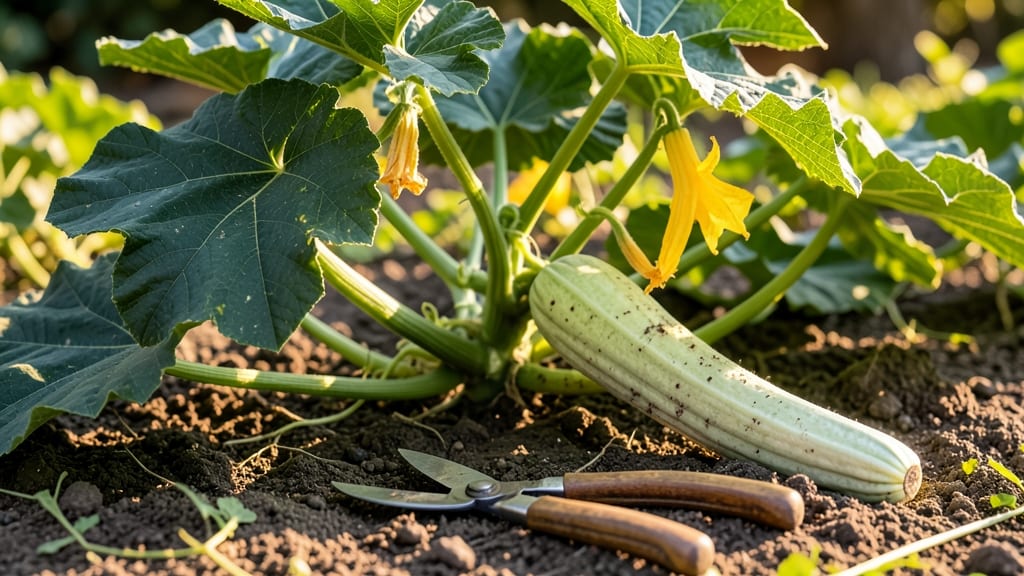
Spaghetti squash reaches its peak season from late summer into fall 🍠, when the vines ripen under warm sunshine and the flesh turns tender and stringy.
Wondering why your grocery store’s spaghetti squash selection disappears overnight? Timing everything from planting to harvest is key—especially when this versatile squash thrives in just the right climate zones.
In USDA Zone 6a, where many gardeners grow spaghetti squash, the harvest window typically opens in September and stretches through October, aligning with cooler temperatures.
But don’t assume every region follows the same schedule—early varieties in warmer zones may ripen as early as August, while cooler areas could push harvests into November.
Here’s how to pinpoint the perfect window for your area, plus tips for sourcing fresh squash when the season winds down—whether you’re growing your own or stocking up at the market.
Spaghetti squash season by USDA climate zones: peak harvest months
Timing your spaghetti squash harvest depends entirely on your USDA climate zone. In cooler zones like 3-5, you’ll need early varieties to avoid frost, while zones 9-11 can enjoy extended harvests. Understanding these windows ensures you get that perfect stringy, golden interior at its peak.
Spaghetti squash thrives in warm weather and needs 90-110 frost-free days to mature. This means gardeners in northern zones (3-6) must plant early varieties, while those in southern zones (8-11) can experiment with late-season varieties for a longer harvest.
Let’s break it down by zone so you know exactly when to expect those heavy, golden fruits ready for picking.
🌱 Pro Tip: Always check your last frost date and count backward—spaghetti squash needs 80-110 days to reach maturity. Planting too late in cooler zones risks immature harvests before frost.
| USDA Zone | Peak Harvest Months | Early Variety Window | Late Variety Window | Key Notes |
|---|---|---|---|---|
| Zones 3-4 | Late August - Early September | June 1 - June 15 | N/A (Risk of frost) | Use early varieties like 'Golden Spaghetti'; extend season with row covers. |
| Zones 5-6 | September - Early October | May 15 - June 1 | June 15 - July 1 | Best for medium-maturity varieties; mulch to protect from early frost. |
| Zones 7-8 | October - November | April 15 - May 1 | July 1 - July 15 | Ideal for late varieties like 'Tivoli'; can harvest into early winter. |
| Zones 9-10 | November - December | March 1 - April 1 | August 15 - September 1 | Extended season; succession planting possible for continuous harvest. |
| Zone 11 | Year-round (with care) | January - February | September - October | Tropical climate allows multiple harvests; watch for pests in humid conditions. |
In
How to extend your spaghetti squash season with smart gardening
Spaghetti squash thrives in warm weather but often vanishes from grocery shelves by late fall. The good news? With a few season-extending tricks, you can grow this nutrient-rich squash well beyond its typical September-October harvest.
Whether you're in Zone 5 or Zone 10, these methods will keep your vines productive longer.
Start by understanding your local frost dates. Most varieties need 90-110 frost-free days to mature. If your season feels too short, early-maturing varieties like 'Golden Nugget' (85 days) or 'Honey Bear' (90 days) are perfect. Pair these with protective growing techniques to push your harvest window even further.
🌱 5 Smart Ways to Extend Spaghetti Squash Season
- 1. Cold Frames: Use unheated cold frames in Zones 4-7 to start seeds 4-6 weeks earlier than usual. Transplant seedlings when soil reaches 60°F.
- 2. Row Covers: Protect vines with floating row covers to shield against early autumn frosts (down to 25°F). Remove covers during daytime warmth for pollination.
- 3. Succession Planting: Sow new seeds every 2 weeks from May to July for staggered harvests. This ensures a continuous supply through October.
- 4. Black Plastic Mulch: Lay black plastic mulch around plants to warm soil faster in spring and extend root activity into cooler months.
- 5. Greenhouses: In Zones 8-10, grow spaghetti squash in a small greenhouse year-round. Use shade cloth in summer to prevent overheating.
For cooler climates (Zones 3-5), focus on early planting and row covers. Choose compact varieties like 'Early Progeny' (80 days) to fit smaller spaces. In warmer zones (Zones 8-10), succession planting and greenhouse growing work best—just watch for pests like squash bugs that thrive in heat.
Don’t forget to harvest strategically. Pick squash when the rind turns hard and vines yellow, even if frost looms. Store harvested squash in a cool, dry place (50-55°F) for 2-3 months to enjoy "fresh" squash long after the season ends.
With these techniques, you’ll enjoy homegrown spaghetti squash from early summer to late fall—no grocery store shortages in sight! The key is adapting methods to your zone while keeping plants healthy and protected. 🌿