
Vegetables
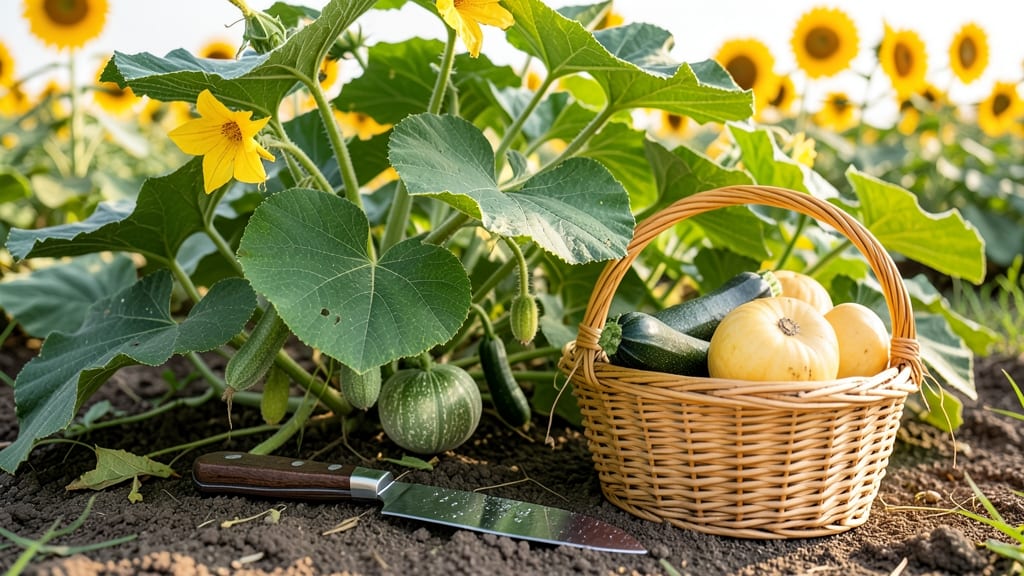
Harvesting summer squash at the right time ensures tender flesh and vibrant flavor 🎃—and missing that window means tough, seedy disappointment.
If you’ve ever bitten into an overgrown zucchini only to find it woody and bland, you know how critical timing is. The difference between a perfect summer squash and one gone past its prime often comes down to just a few days.
In Zone 6a, most varieties are ready for harvest around 50 days after planting, typically in late July. Look for squash that’s 6-8 inches long, with a deep, consistent color and skin that yields slightly to gentle pressure.
Below, I’ll walk you through the exact visual cues to pick at peak ripeness, how to harvest without damaging the plant, and what to do with any extras before they turn to mush.
Summer squash harvest time: ideal size, color, and texture signs
Timing your summer squash harvest perfectly ensures you enjoy tender, flavorful produce instead of tough, seedy disappointment. Whether you're growing zucchini, yellow squash, or pattypan varieties, knowing the exact harvest cues makes all the difference.
The right moment combines size measurements, color depth, and texture tests—each playing a crucial role in determining peak ripeness.
Summer squash thrives on consistency, and missing the harvest window can lead to rapid deterioration. Overripe squash becomes woody, while underripe specimens lack sweetness and proper texture. By mastering these visual and tactile clues, you'll transform your garden into a continuous harvest machine throughout the summer months.
Let's break down exactly what to look for when that moment arrives.
Size is your first clue when determining summer squash harvest time. For most varieties like zucchini and yellow squash, aim for a length between 6-8 inches. Pattypan squash should reach about 3-4 inches in diameter—smaller than its cousins but equally flavorful.
Letting squash grow beyond these measurements risks developing tough, fibrous flesh and oversized seeds that dominate the texture.
Color provides the second critical signal. Mature summer squash develops a deep, even hue—whether green, yellow, or white—without any pale or mottled patches. A glossy finish indicates proper ripeness, while dull or splotchy skin suggests the squash is either underripe or overripe.
Pay special attention to the stem end, which should turn yellowish as a final maturity cue.
The texture test is where many gardeners discover the secret to perfect summer squash. Gently press your thumbnail into the skin—if it leaves a slight indentation, your squash is ready.
For a more precise check, try separating the skin from the seeds with your fingers; if it peels away easily, you've nailed the harvest window. Avoid squash that feels rock-hard or overly soft, as these indicate premature or overripe stages.
Don't overlook the stem's condition as a final verification step. At harvest time, the stem where the squash attaches to the vine should dry slightly and may even begin to yellow.
This natural separation makes harvesting easier and reduces damage to the plant. If the stem remains green and moist, your squash needs more time to mature—wait 2-3 days before checking again.
Regional climate plays a subtle but important role in summer squash harvest timing. In hotter zones (8-10), squash may mature faster due to accelerated growth rates, while cooler areas (USDA zones 4-6) might require an extra week or two.
Always adjust your expectations based on local weather patterns, especially during unseasonably hot or cold spells that can alter ripening schedules.
One common mistake is harvesting summer squash too late in the season. As temperatures drop in late summer, growth slows dramatically, making it difficult to achieve optimal size and texture.
Plan to harvest your last batch by early September in most climates to avoid disappointing results. For continuous production, consider planting successive crops every 2 weeks starting in late spring.
Pro tip: Harvest summer squash in the morning after dew has dried for the freshest results. This timing reduces moisture-related damage and makes the squash easier to handle. Use a sharp knife or pruners to cut the stem cleanly, leaving about 1/4 inch of stem attached to preserve freshness.
Store harvested squash in a cool, dry place for up to a week, or refrigerate for extended storage.
Remember that summer squash is a prolific producer—once you master the harvest cues, you'll find yourself with an abundance of fresh, homegrown squash. The key is frequent checking (every 2-3 days during peak production) and prompt harvesting to maintain plant productivity.
With these visual and tactile clues at your fingertips, you'll transform your garden into a summer squash success story
How to harvest summer squash without damaging the plant
Harvesting summer squash at the right time ensures tender, flavorful produce while keeping your plants healthy and productive. The key is to pick squash when they're young and mature enough to eat—typically between 6 and 8 inches in length.
If you wait too long, the squash becomes tough, seedy, and less enjoyable. I’ve learned that consistency is everything—harvesting regularly encourages more production and prevents overripe squash from sapping the plant’s energy.
Timing your harvest is just as important as technique. Most gardeners agree that morning harvests are ideal because the squash has had a full night to firm up after absorbing moisture. This makes them easier to handle and less prone to bruising.
Plus, harvesting in the morning means you can enjoy fresh squash at its peak flavor right away. I always grab my basket and head out to the garden first thing to beat the heat and humidity.
Before you pick, inspect the squash for bright, consistent color and a slightly yielding skin when pressed gently with your thumb. The stem should also be dry and easy to snap—this indicates maturity. If the stem is still green or the squash feels rock-hard, it’s not ready yet.
Remember, summer squash like zucchini and yellow squash grow quickly, so checking your plants every 2-3 days is a good rule of thumb.
⚠️ Warning: Overripe Squash Kills Productivity
Leaving summer squash on the vine past its prime causes the plant to stop producing. Overripe squash can also attract pests like squash bugs and encourage fungal diseases. If you notice your plant slowing down, check for oversized squash or squash with yellowing skin—these are red flags. Remove any overripe squash immediately to redirect the plant’s energy to new growth.
When it’s time to harvest, use a sharp knife or pruners to cut the stem about 1 inch above the squash. Avoid twisting or pulling the squash, as this can damage the plant and leave it vulnerable to disease.
I always use clean, sterilized tools to prevent spreading any potential pathogens. After harvesting, let the squash rest for a few hours in a cool, shaded area before storing to allow any minor bruises to heal.
For continuous production, aim to harvest summer squash every 2-3 days during peak season. This frequent picking signals the plant to produce more flowers and squash. I’ve found that bush varieties like pattypan squash may need slightly less frequent harvesting, while vining varieties like zucchini can handle daily checks.
Keep an eye on your plants and adjust your harvesting schedule based on how quickly new squash appears.
After harvesting, store your summer squash in a cool, dry place for up to a week. I like to keep them in the fridge once they’re fully ripe to extend their shelf life.
If you’re overwhelmed with a sudden squash glut, don’t worry—there are plenty of ways to use up extra squash, from grilling and roasting to baking into bread or freezing for later.
The key is to stay on top of your harvests so you don’t end up with a pile of overripe squash taking over your garden!